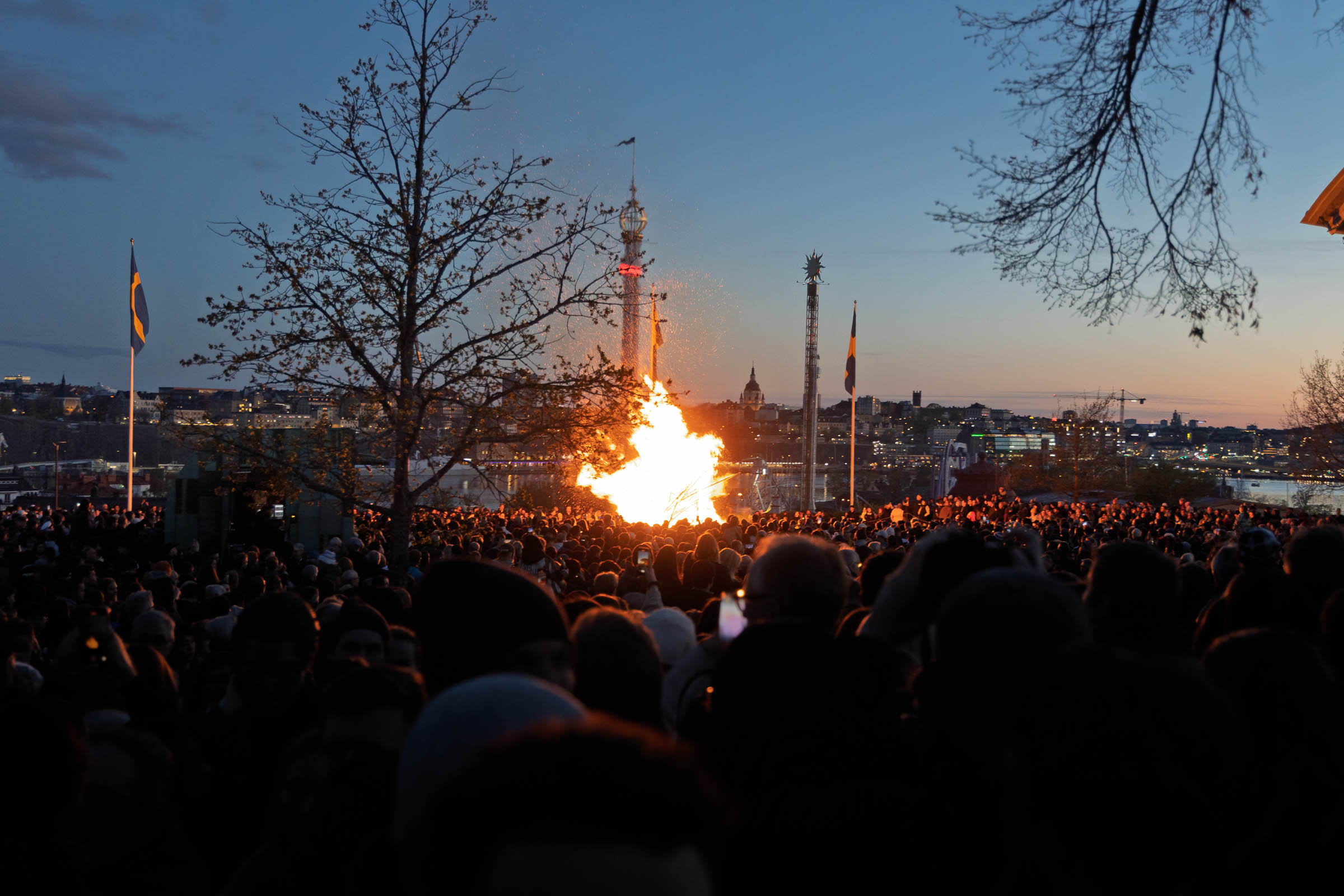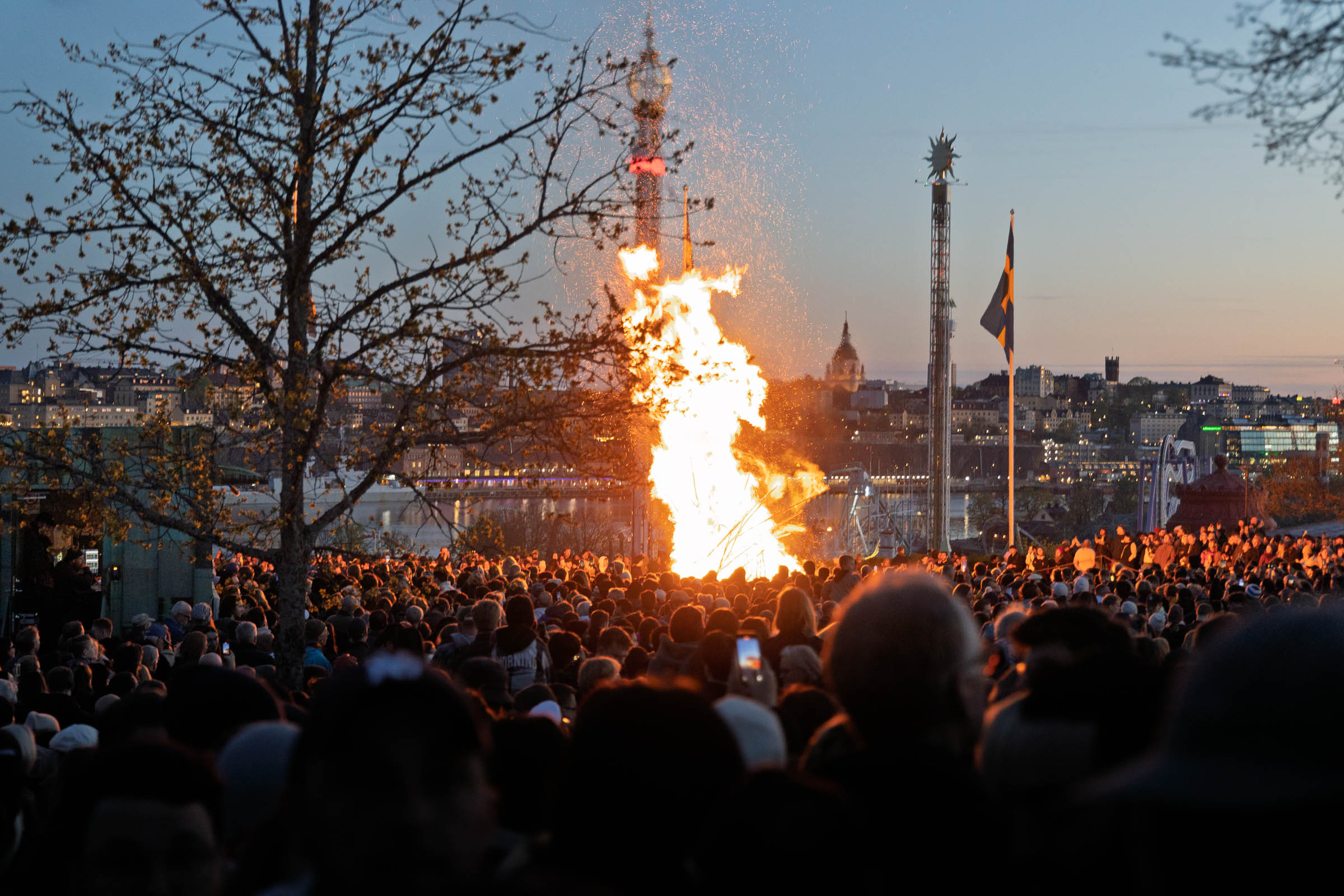
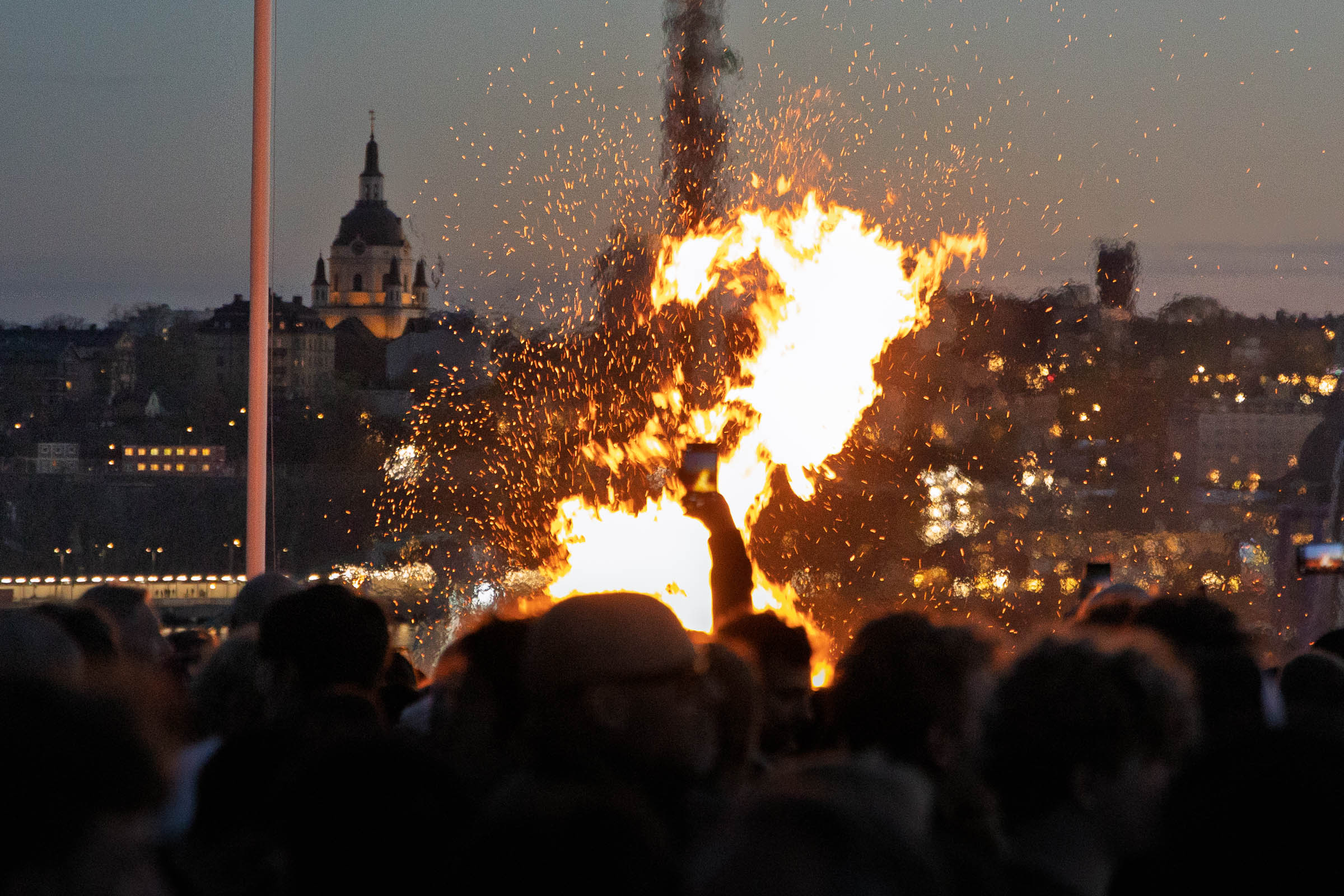
On the evening of April 30, the smell of woodsmoke drifts across Stockholm. This is Walpurgis Night (Valborg in Swedish), the unofficial threshold between the Swedish winter and spring. In parks from Skansen to Riddarholmen, thousands gather around massive bonfires to watch the sun set and listen to traditional choral music. It is a centuries-old tradition that remains one of the most important dates in the Swedish calendar.
For many locals, it is a simple and familiar way to welcome spring. If you’re visiting Stockholm at this time, it can be a memorable chance to experience a Swedish tradition that feels local rather than staged.
The story behind Walpurgis Night
Walpurgis Night is a spring celebration marking the transition from winter to the lighter, warmer half of the year.
In Sweden, long winters make this shift feel significant. By late April, the days are much longer, and people are ready to spend time outside again. So this is, in many ways, a collective “we made it through winter.”
The main event takes place on the evening of April 30, while May 1 is a public holiday.
Why do people celebrate it?
Walpurgis Night is a mix of different traditions layered over time.
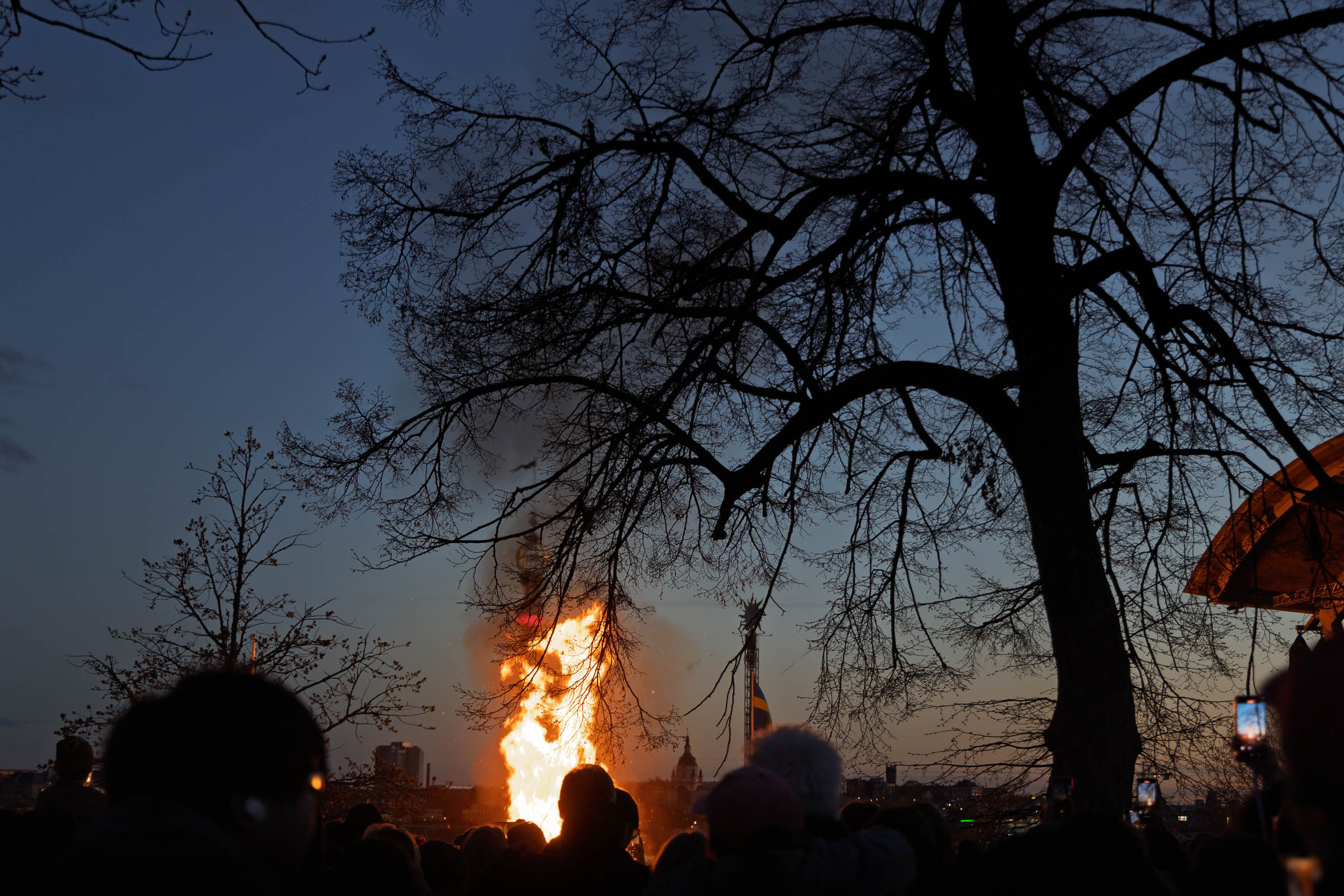
Long before Christianity, people in northern Europe marked seasonal changes with rituals tied to nature. Bonfires were lit to protect livestock from predators and, according to folklore, to keep away witches and evil spirits. The night between winter and summer was seen as a moment when supernatural forces were more active.
Later, the celebration became associated with Saint Walpurgis, a German abbess from the 700s. Her feast day falls on May 1, and over time her name became linked to the existing spring traditions.
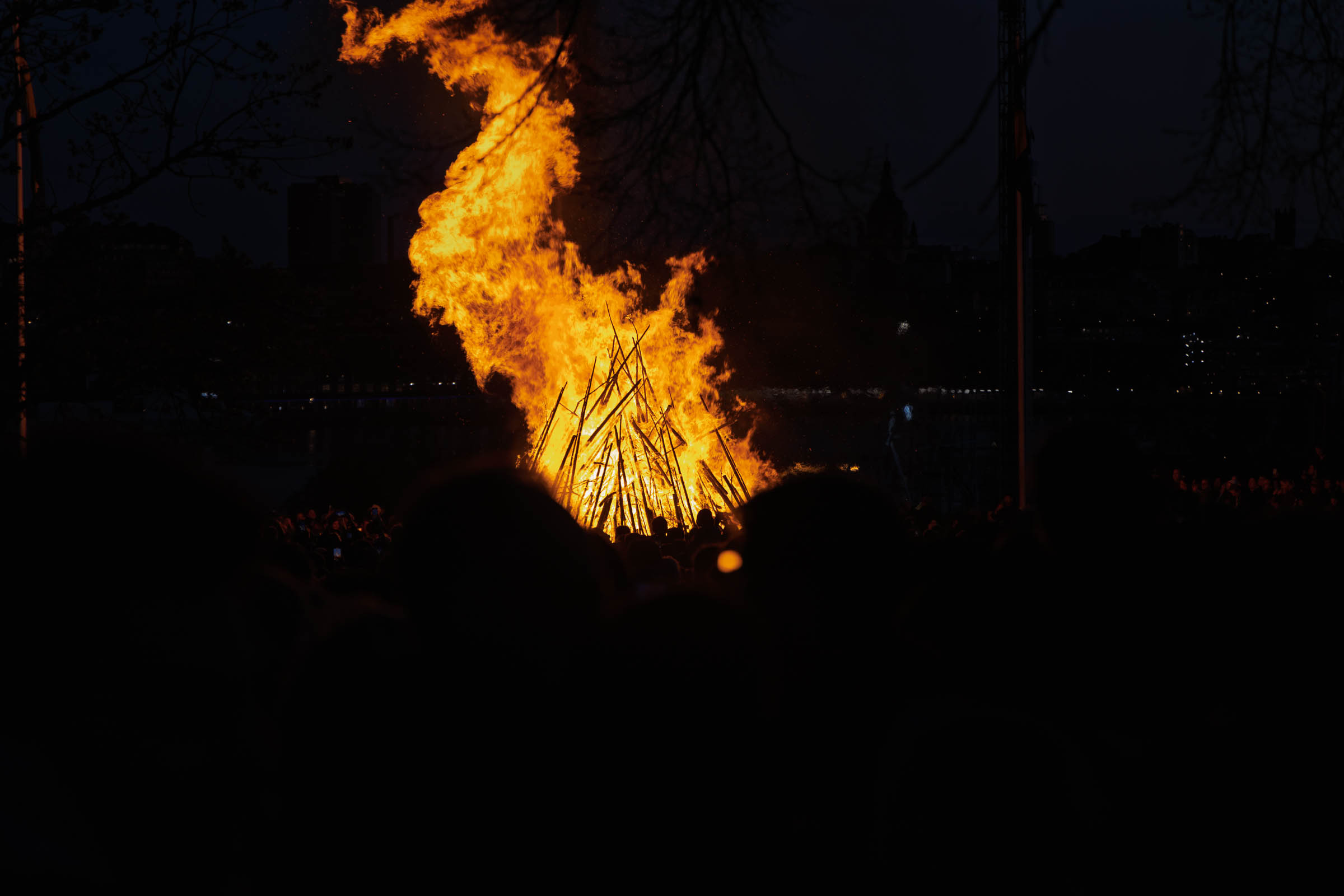
In Sweden, these influences blended together and softened over the centuries. Today, most people aren’t thinking about evil spirits or saints. It’s simply a moment to mark the turn of the season – longer days, more light, the sense that winter has finally loosened its grip. After months of darkness, that’s worth gathering around a fire for.
April 30 also happens to be the birthday of King Carl XVI Gustaf, making it an official flag day in Sweden. You’ll notice the Swedish flag flying across the city, adding a quiet layer of national occasion to what is otherwise a very local, neighbourhood kind of evening.
How Walpurgis Night is celebrated today
Modern celebration in Stockholm is fairly simple, but it has a distinct atmosphere.
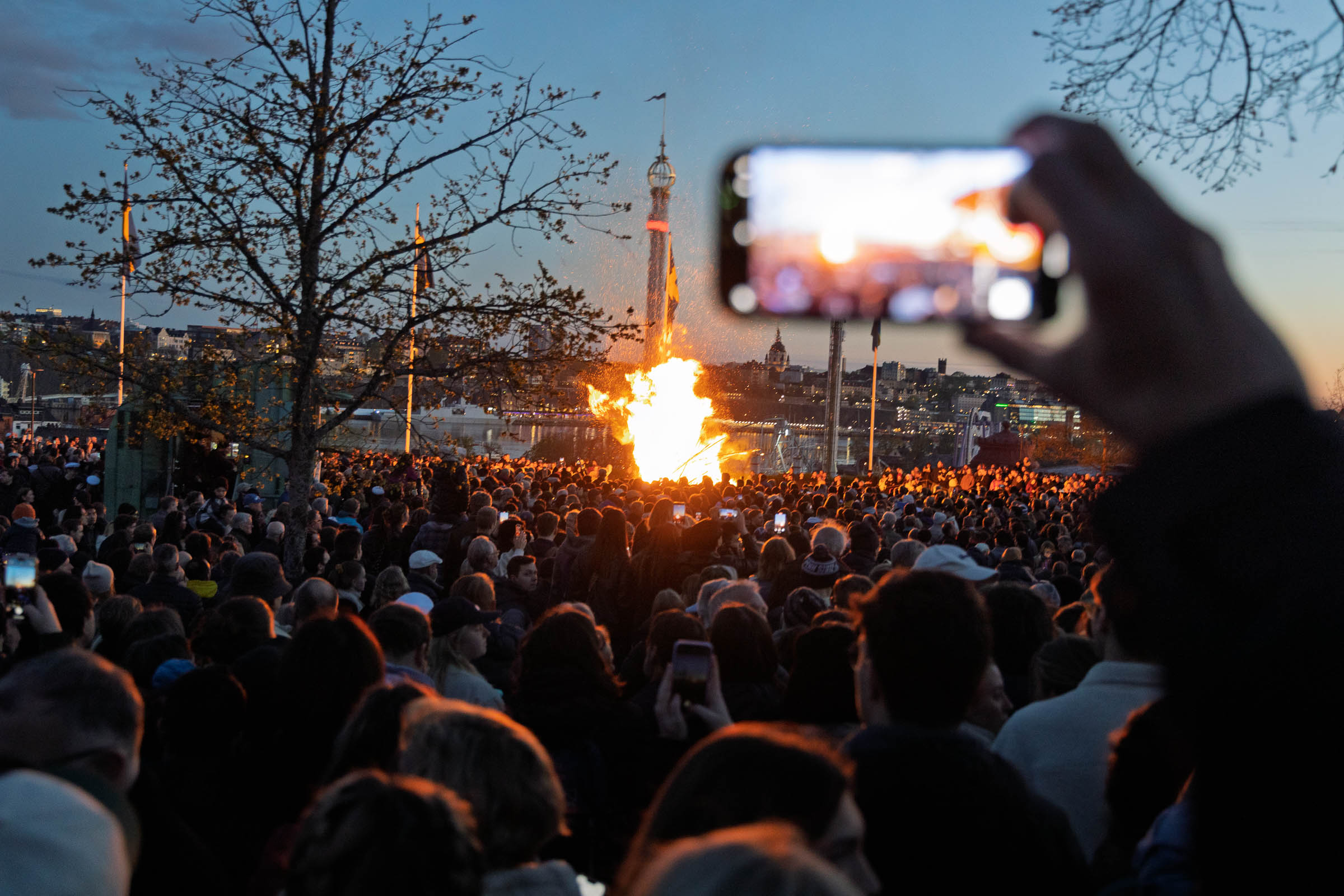
At most locations, the evening follows a similar pattern:
- People gather around a bonfire
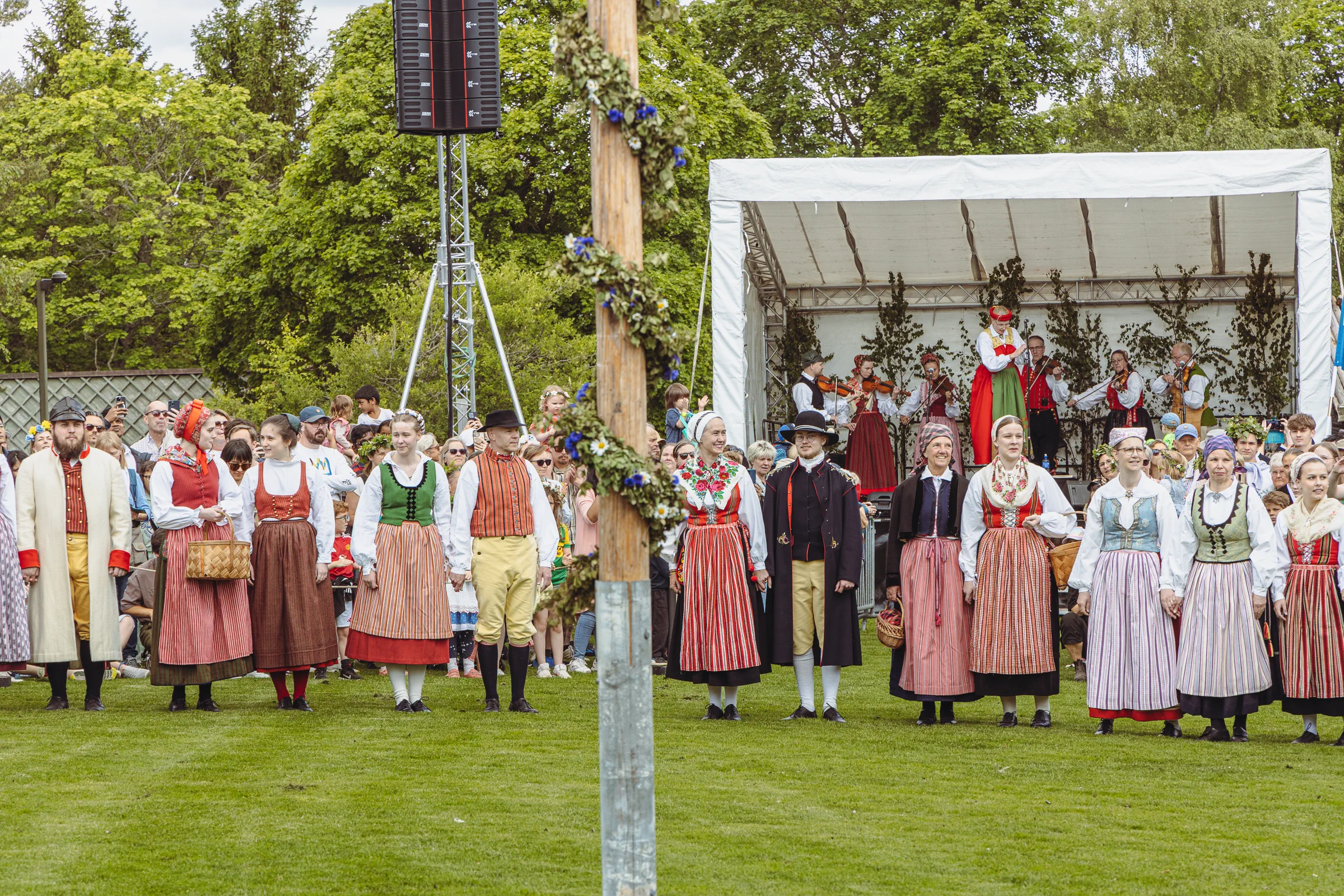
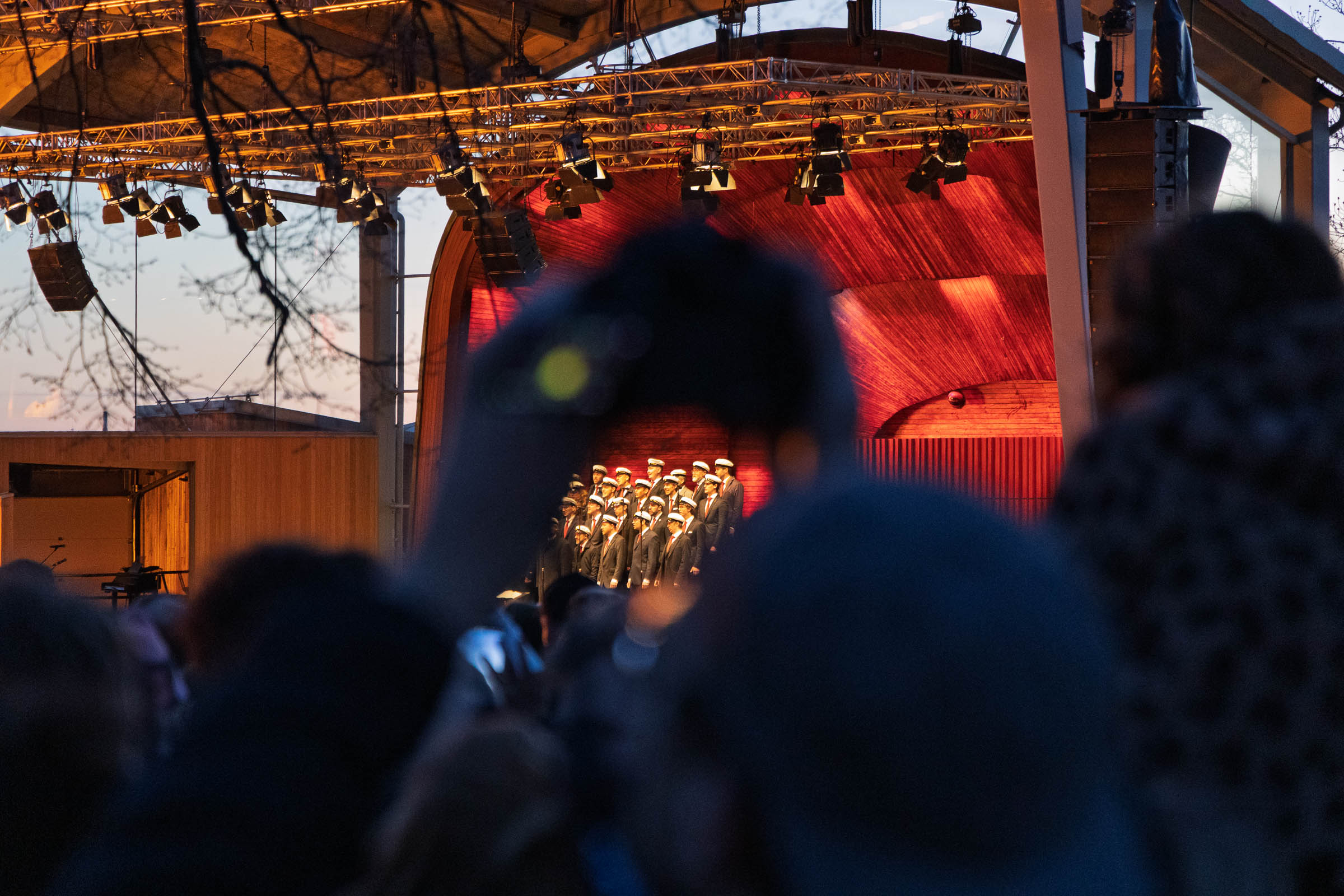
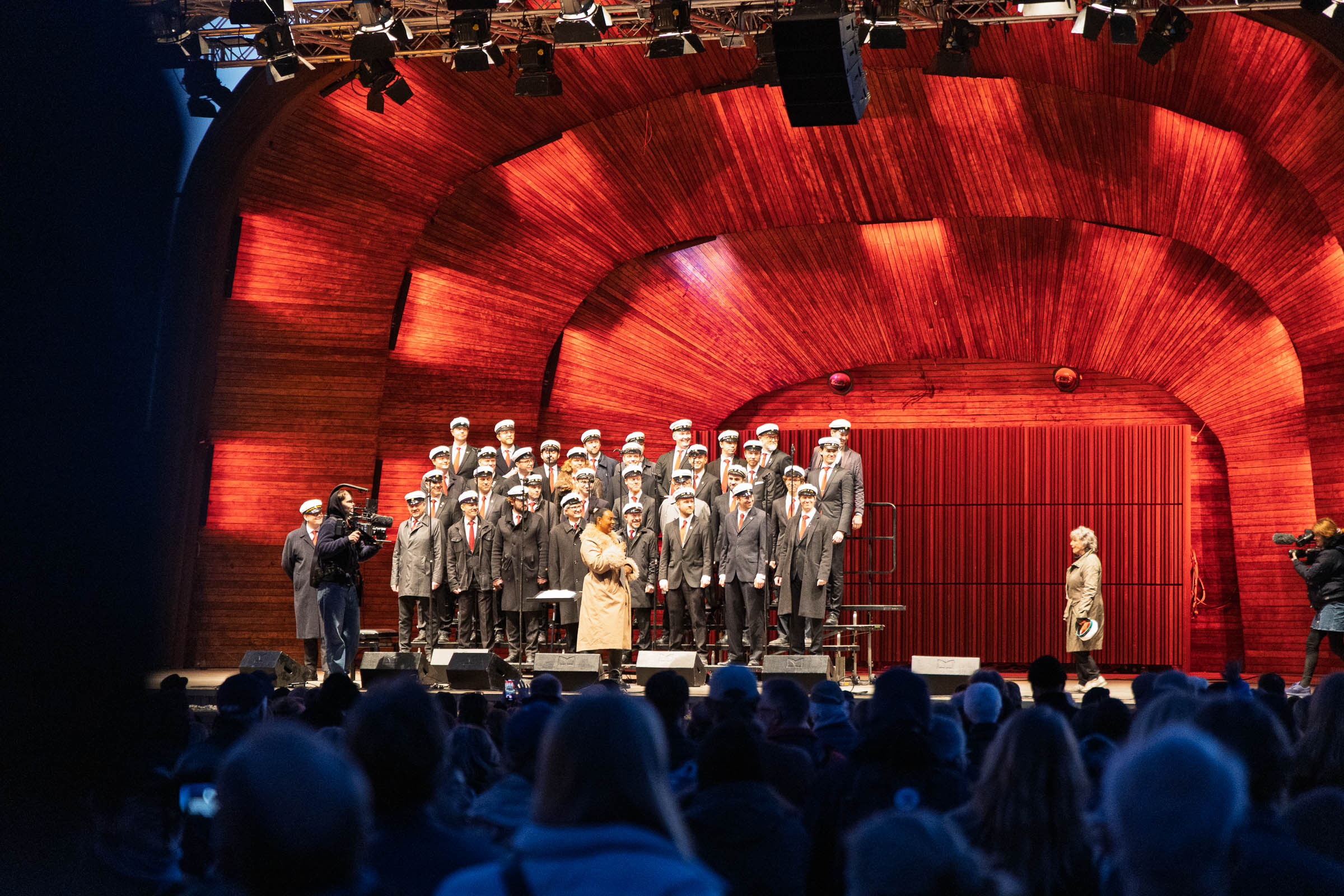
- A choir often sings traditional spring songs
- Someone gives a short speech welcoming the season
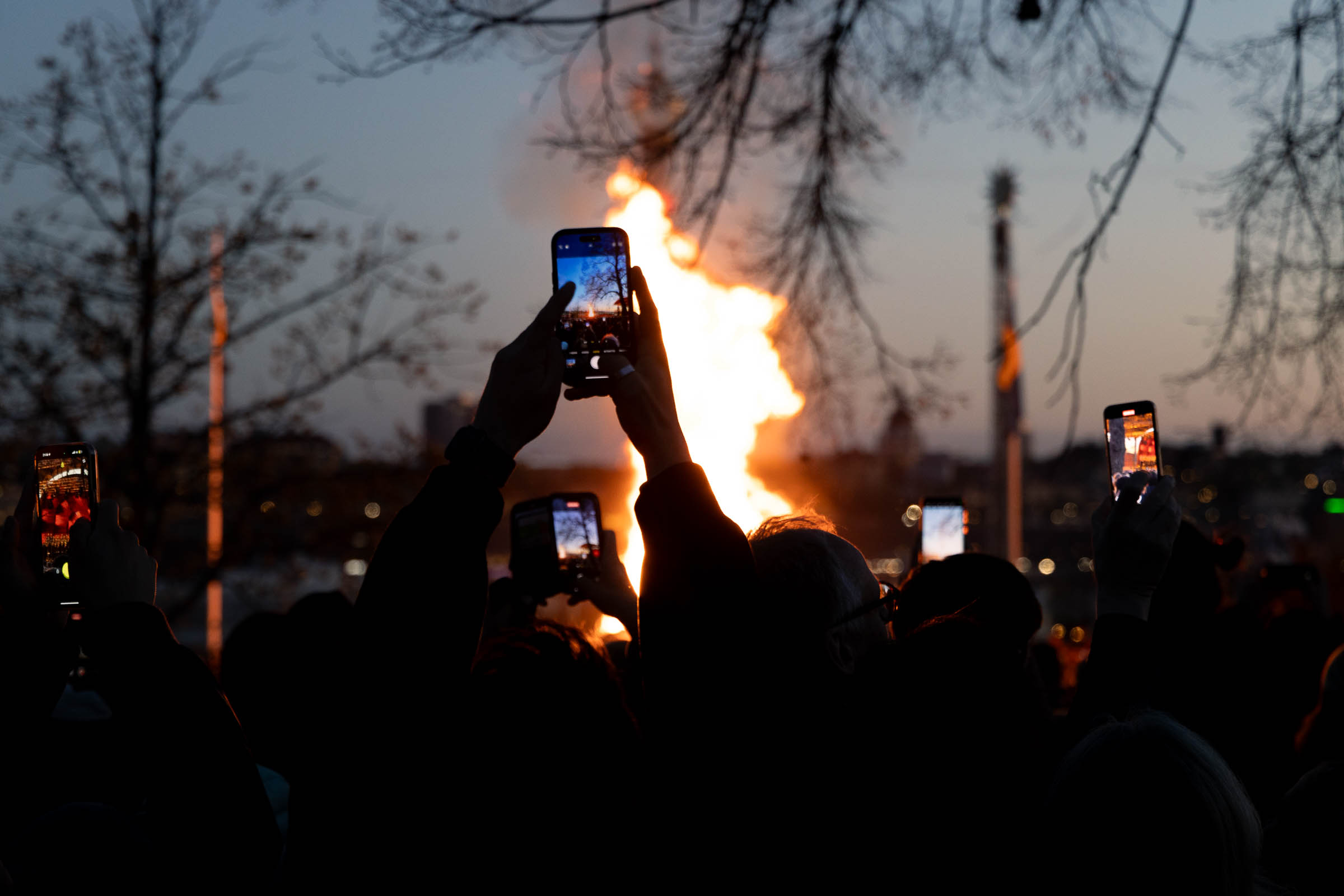
- The fire is lit as it starts to get dark
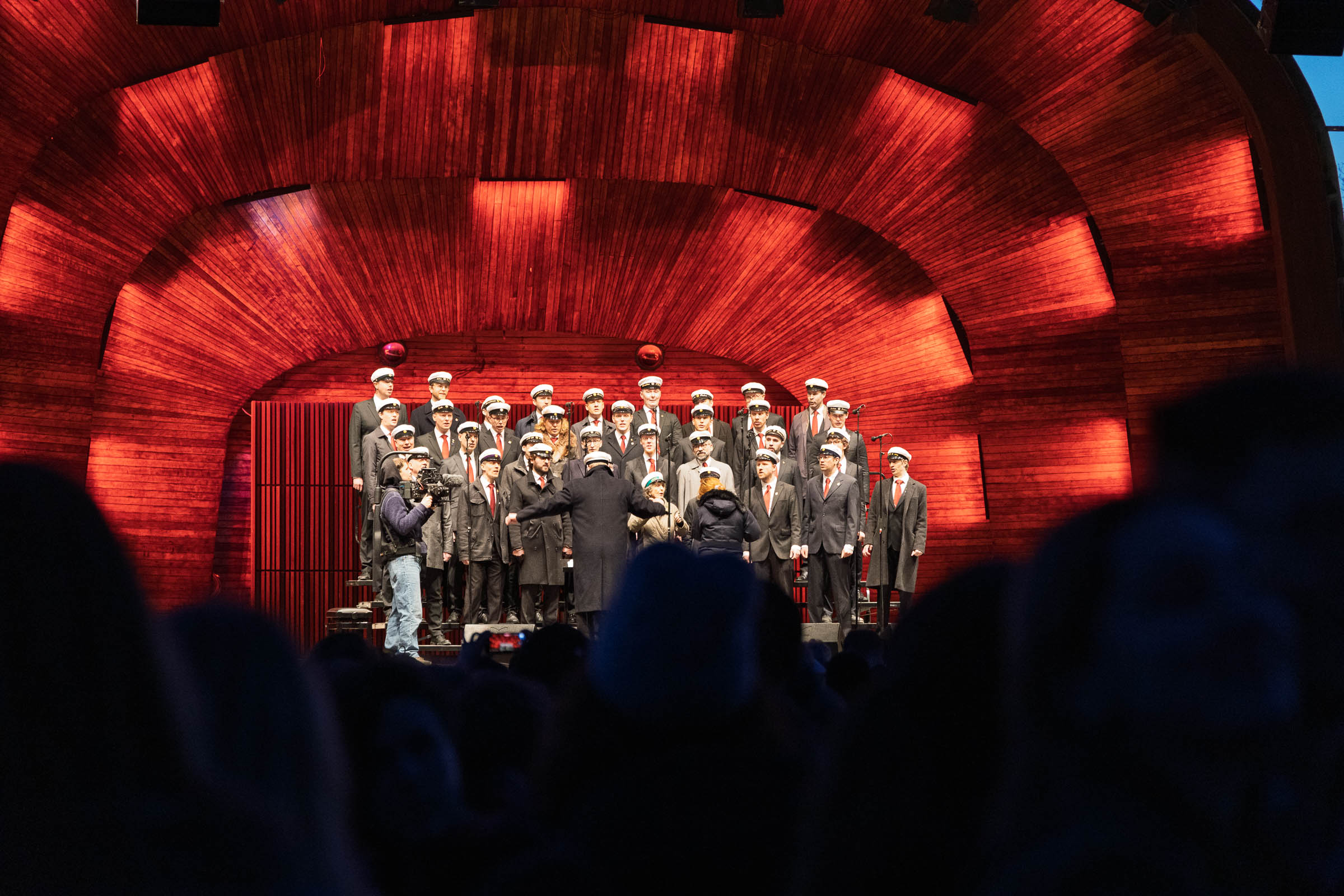
It’s not overly formal, but it’s also not chaotic. Many events feel organized and community-focused, with a mix of families, groups of friends, and locals who come back year after year.
In university cities like Uppsala and Lund, Walpurgis Night is much more intense, with large student celebrations. Stockholm is generally calmer, though you’ll still see students celebrating in parks and around the city.
Where to celebrate Walpurgis Night in Stockholm
There isn’t just one central event. Instead, Walpurgis Night is celebrated in many places across the city and surrounding areas.
Here are some of the more common options:
More central and accessible
- Skansen (Djurgården district) – The most traditional and structured celebration, with choirs and speeches. Entrance fee applies.
- Vinterviken (near Aspudden) – A popular spot with a slightly more local feel. Usually an entrance fee (around 60 SEK in recent years).
- Smedsudden (Kungsholmen district) – A relaxed, local gathering by the water.
Local neighborhood celebrations
- Bandängen (Söderort) – A family-friendly option with a strong community feel.
- Kyrksjön (Bromma) – Smaller and quieter, good if you prefer something less crowded.
- Mälarhöjden – A classic suburban Walpurgis Night with a mix of locals and visitors.
Slightly outside the city
- Drottningholm – A scenic setting near the royal palace.
- Hågelbyparken (Botkyrka) – Larger event space, often well-organized.
- Ekebyhov Castle (Ekerö) – A more rural setting with a traditional feel.
Archipelago options
- Vaxholm
- Sandhamn
- Grinda
These require more planning to reach, but can offer a different atmosphere, especially if you’re already planning to explore the archipelago.
What to expect (and a few practical tips)
Walpurgis Night is easy to join, but a few things are worth knowing:
It gets cold
Even if the day feels mild, evenings can drop to around 5–10°C (41–50°F). Bring a jacket.
Arrive a bit early
The fire is usually lit around dusk (often between 8 pm and 9 pm), but people gather well before that.
Crowds vary a lot
Skansen and central locations can get busy. Smaller neighborhood fires are calmer.
It’s more relaxed than it sounds
This isn’t a fireworks show or a big festival production. It’s quieter, more about atmosphere than spectacle.
Alcohol is present, but not the focus everywhere
In parks and student-heavy areas, you’ll see more drinking. At organized events, it’s usually more low-key.
A simple tradition, but a meaningful one
Walpurgis Night doesn’t try to impress. It’s not designed as a major attraction, and that’s part of its charm.
You stand outside, watch a fire burn, listen to people sing, and feel the shift in the season. After months of winter, spring is finally here.
If you happen to be in Stockholm on April 30, it’s worth stepping out in the evening and finding a bonfire nearby. Even if you only stay for a short while, it gives you a glimpse of how locals mark the arrival of spring.