Stockholm’s top 10 sights are Gamla Stan, the Royal Palace, the Vasa Museum, Djurgården, City Hall, Nationalmuseum, Drottningholm Palace, the archipelago, Artipelag and the view from Monteliusvägen. Below, we explain what each offers and what changes if you visit in winter. When you’ve seen these, our guide to sightseeing and attractions in Stockholm has the rest, grouped by type.
Gamla Stan
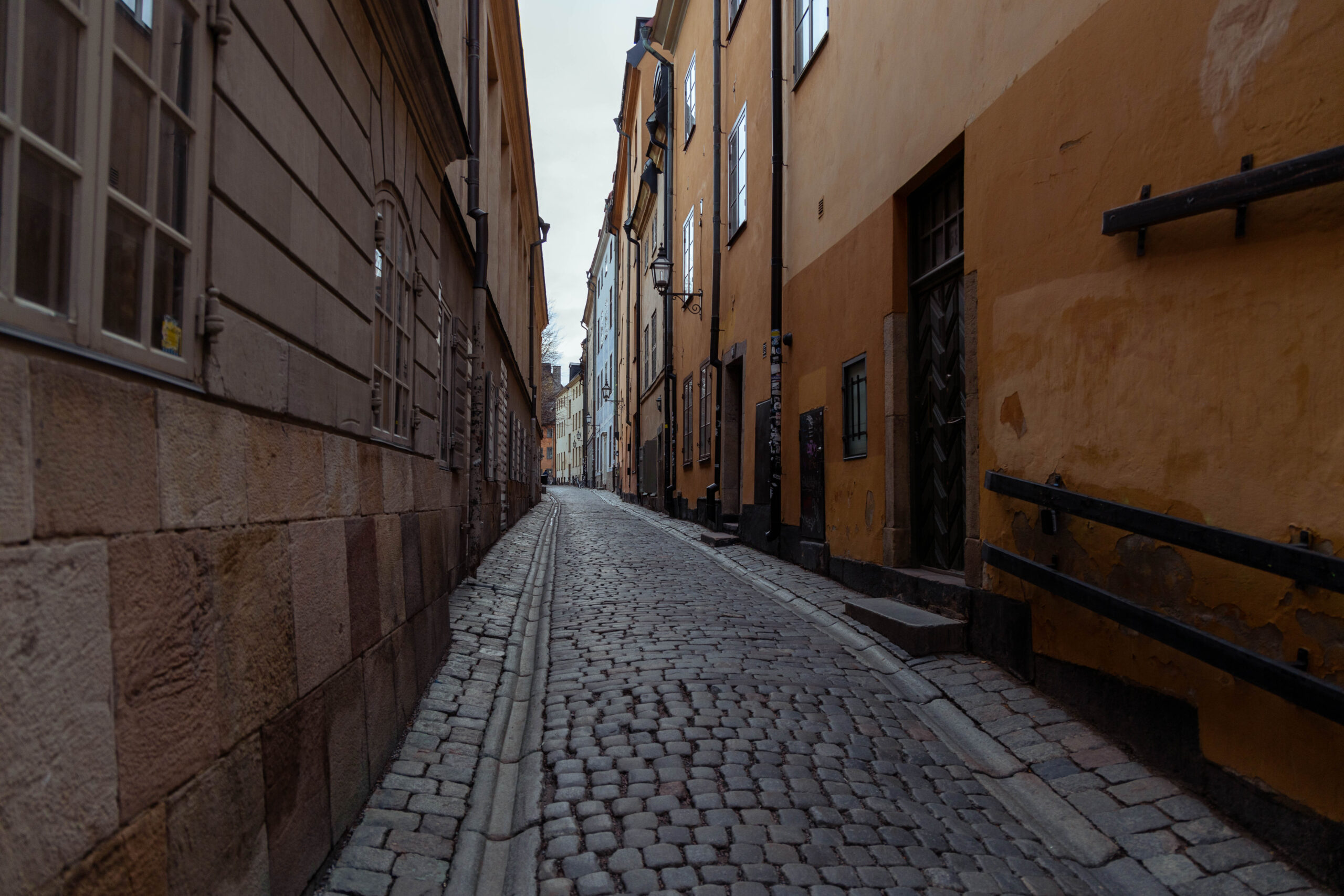
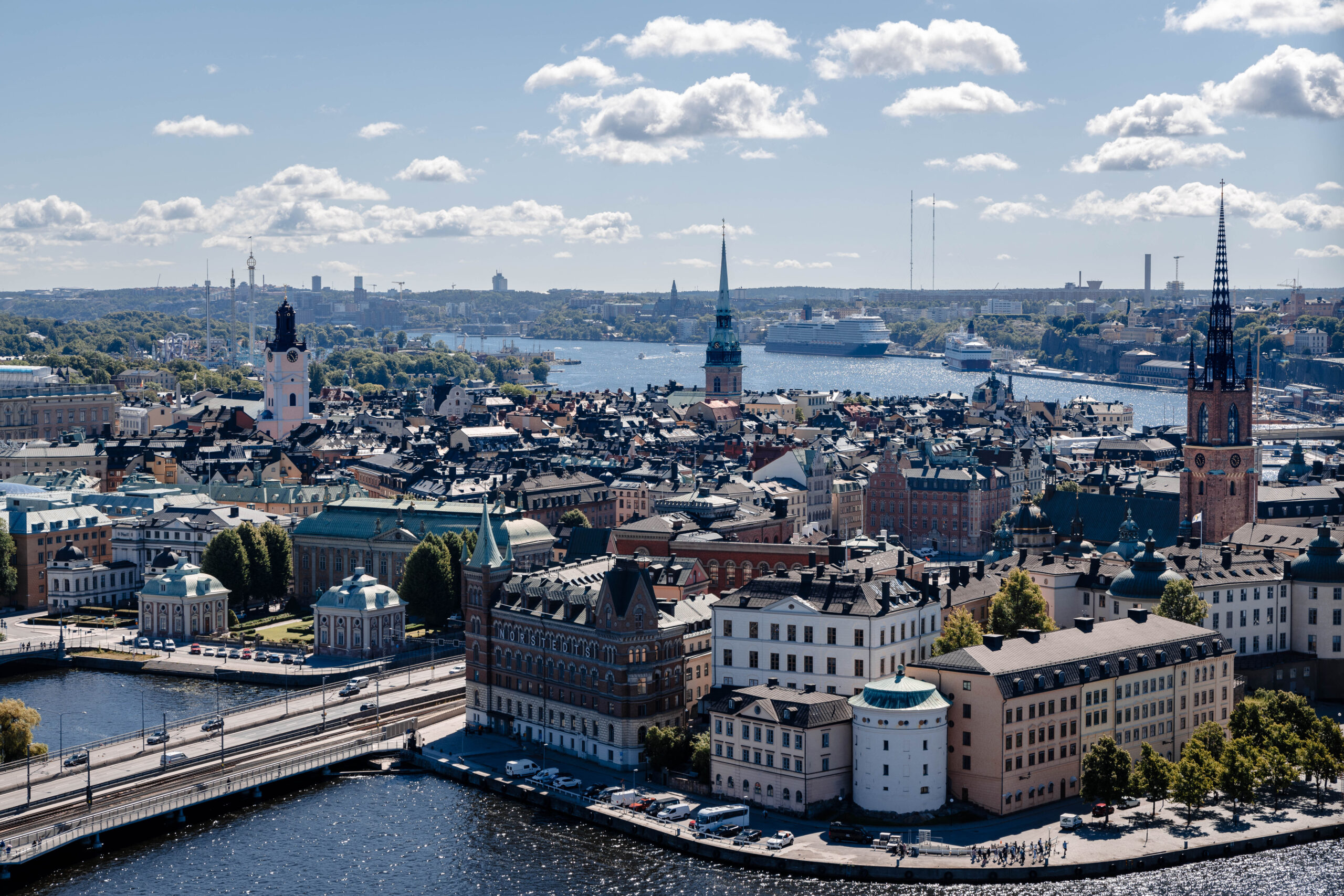
Gamla Stan is the city’s oldest settlement, dating back to the 13th century, with medieval buildings, narrow alleys and cobblestone streets.
Here you’ll find some of Stockholm’s most significant landmarks, including the Royal Palace, one of the largest palaces in Europe.
The district also has plenty of restaurants, from Swedish home cooking to modern Scandinavian menus. In winter, the Christmas market on Stortorget, the main square in Gamla Stan, runs daily from November 21 to December 23, 2026, with stalls selling Christmas food, crafts and mulled wine (glögg).
For those curious about the stories behind the streets, guided tours offer deeper insights. Historical walking tours highlight key events like the Stockholm Bloodbath, while ghost walks delve into the darker, more mysterious sides of Gamla Stan’s past.
To learn more about this district, read our full article about Gamla Stan.
The Royal Palace
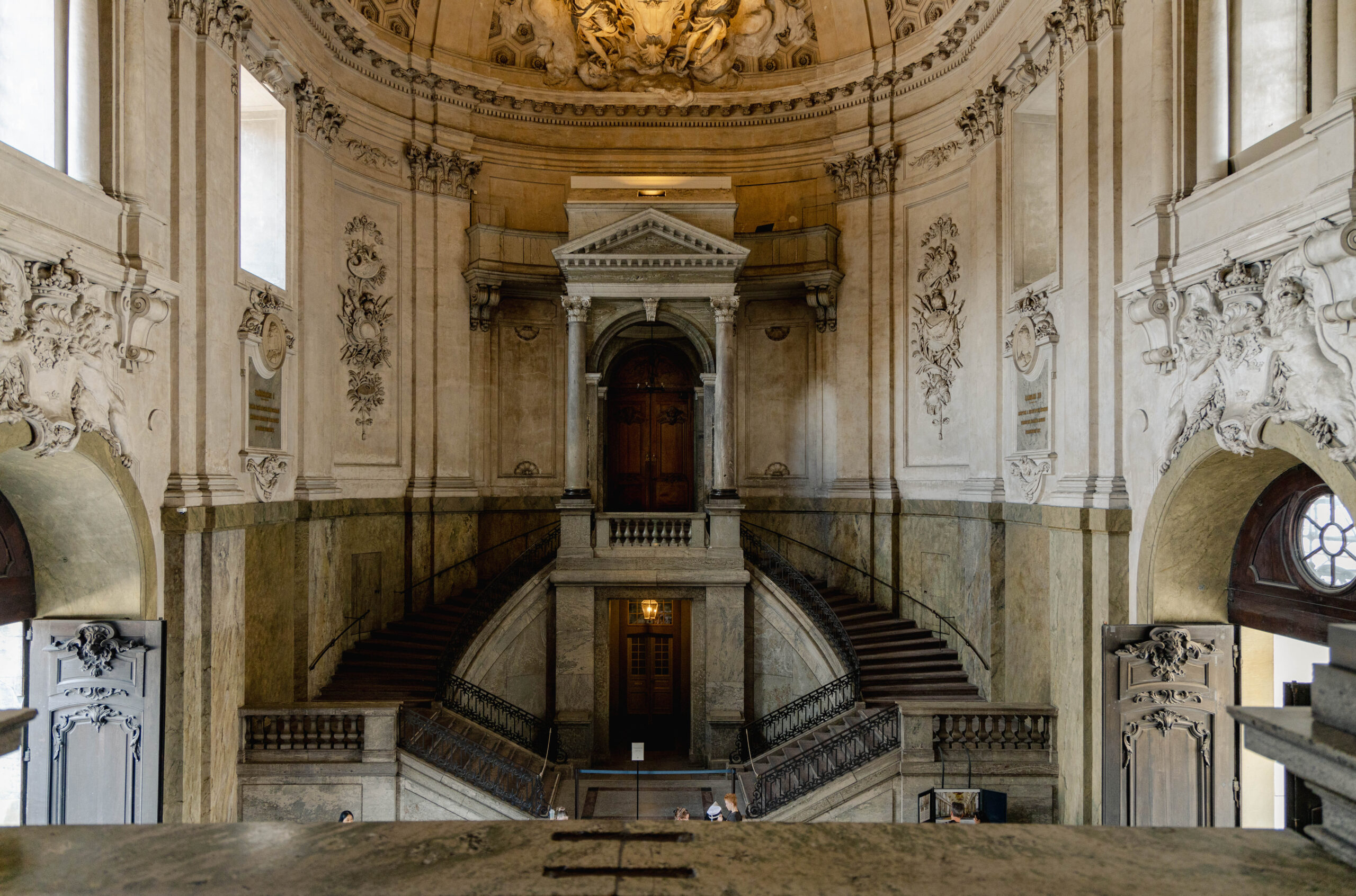
The Royal Palace, in Gamla Stan, is one of the largest palaces in Europe, with over 600 rooms spread across eleven floors. While it serves as the official residence of King Carl XVI Gustaf, parts of the palace are open to the public, so you can walk through its state rooms.
The palace stands on the site of the medieval Tre Kronor Castle, which was destroyed by fire in 1697.
You’ll find five museums within the palace, each covering a different part of Sweden’s royal past:
- At Museum Three Crowns (Tre Kronor Museum) you can learn about the medieval castle that burned down.
- At Treasury’s royal regalia you can explore a fascinating collection of royal regalia and historic artifacts.
- At Gustav III’s Museum of Antiquities you can view over 200 classical sculptures purchased by King Gustav III during his journey to Italy in 1783–1784.
- The Royal Apartments showcase opulent 18th- and 19th-century interiors, including the Hall of State with Queen Christina’s silver throne.
- The Royal Armory displays royal costumes and historic carriages.
You can also watch the changing of the guard in the palace courtyard for free. The schedule changes with the season, so check the time on the day. For families, activity trails like the Animal Safari provide an engaging way to explore the palace with children.
In November and December 2026, the palace is open daily 10:00–16:00, but parts of the state apartments close on some days for royal receptions, and on December 16 the State Apartments are closed. Check the palace’s opening hours before you go.
Address: SlottsbackenSee on map
To learn more, read our full article about the Royal Palace.
Vasa Museum
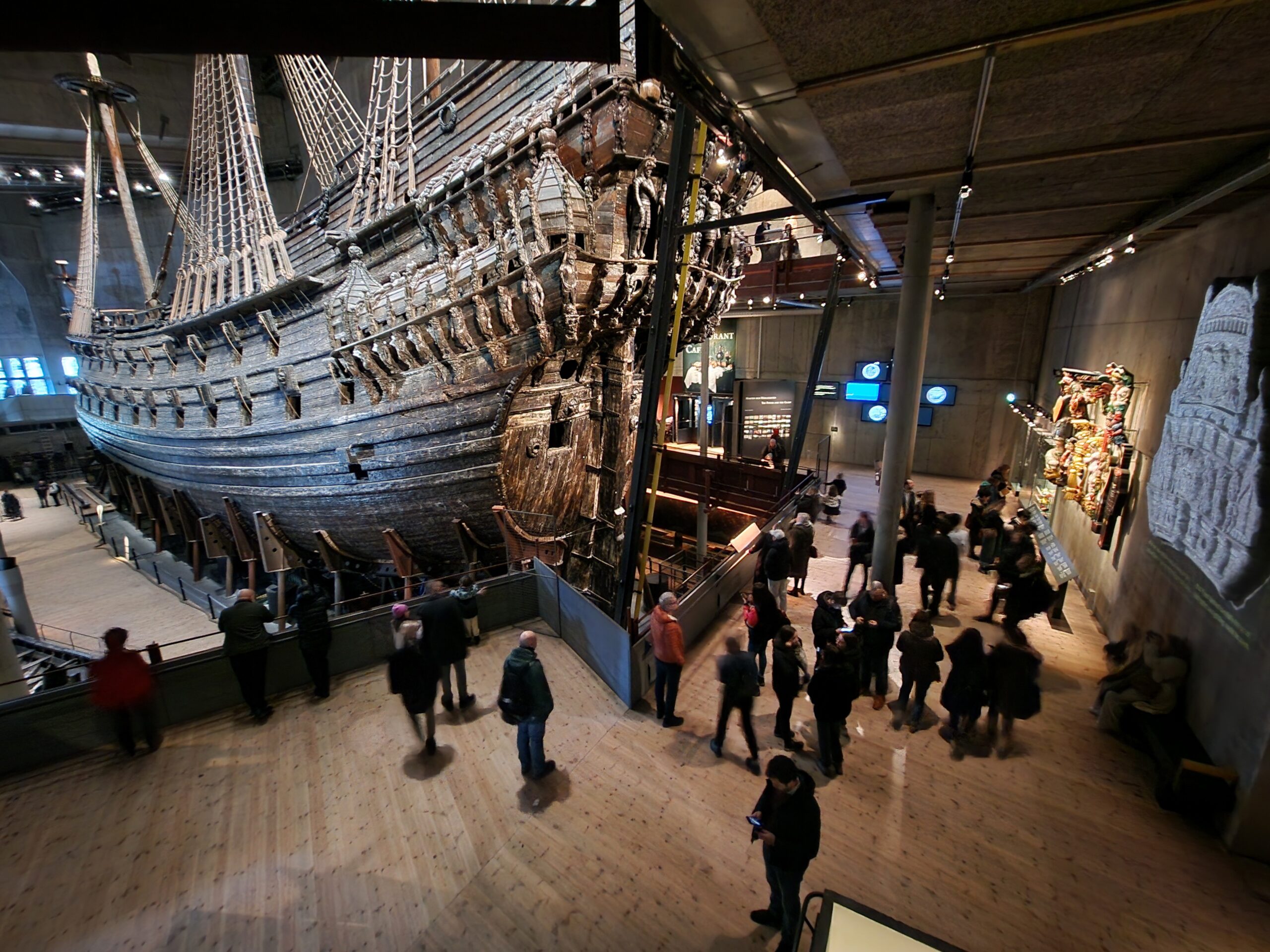
The Vasa Museum on Djurgården is built around the Vasa warship, the world’s only nearly intact 17th-century ship, with over 98% of the original vessel preserved.
The ship sank on its maiden voyage in 1628 and stayed on the seabed for 333 years before it was salvaged in 1961. Today, the 69 m (226-foot) warship stands in a hall built around it, and you can view it from six levels, from the keel to the sterncastle.
The museum’s exhibits dive into various aspects of the ship’s history, including its construction, life on board in the 17th century, naval warfare, and the extraordinary archaeological effort to recover and preserve it. Multilingual audio guides, children’s programs, and a 17-minute film make the visit work for all ages.
With over 1.4 million visitors a year, it is Scandinavia’s most visited museum, so arrive at opening time to avoid the biggest crowds.
Address: Galärvarvsvägen 14See on map
To learn more, read our article about the Vasa Museum
Djurgården
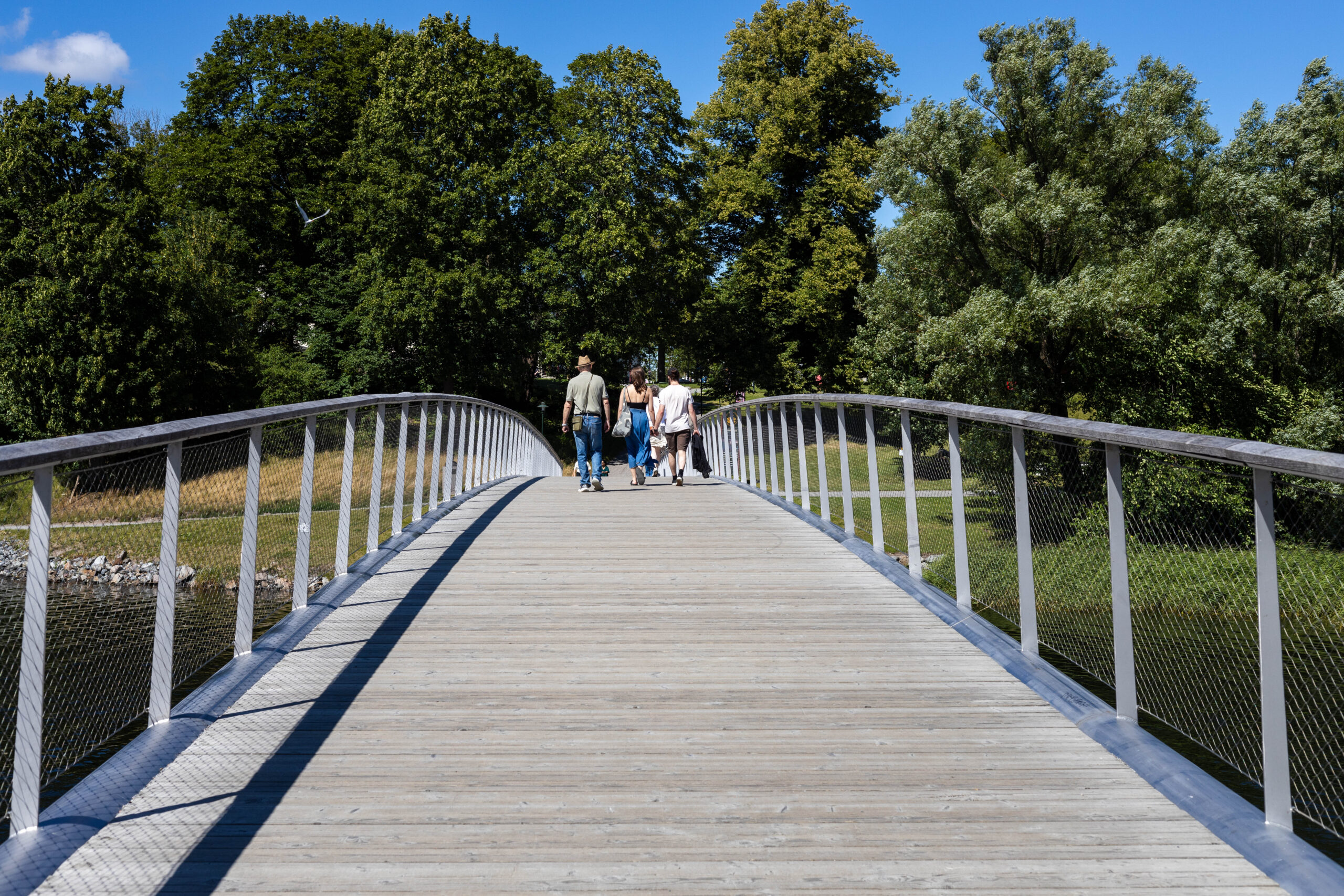
Djurgården is a green island on the east side of central Stockholm. Once a royal hunting ground, it is now a public park with museums, waterfront paths and open meadows for walking, jogging and cycling.
Here you’ll find some of Stockholm’s most popular attractions. Besides the Vasa Museum, you can visit Skansen, the world’s oldest open-air museum. If you’re a fan of ABBA, you will enjoy ABBA The Museum and if history is more of your thing, we recommend visiting the Nordic Museum. For a dose of fun, Gröna Lund amusement park has rides for all ages, but it is closed in winter. In winter, Skansen holds its Christmas market on weekends from November 27 to December 20, 2026.
On weekends and holidays many locals come here for Djurgården’s walking paths and green spaces, which are part of Sweden’s first National City Park. For a bite to eat, Rosendals Trädgård serves locally grown food in a garden café.
To learn more visit our page about Djurgården island.
Stockholm City Hall
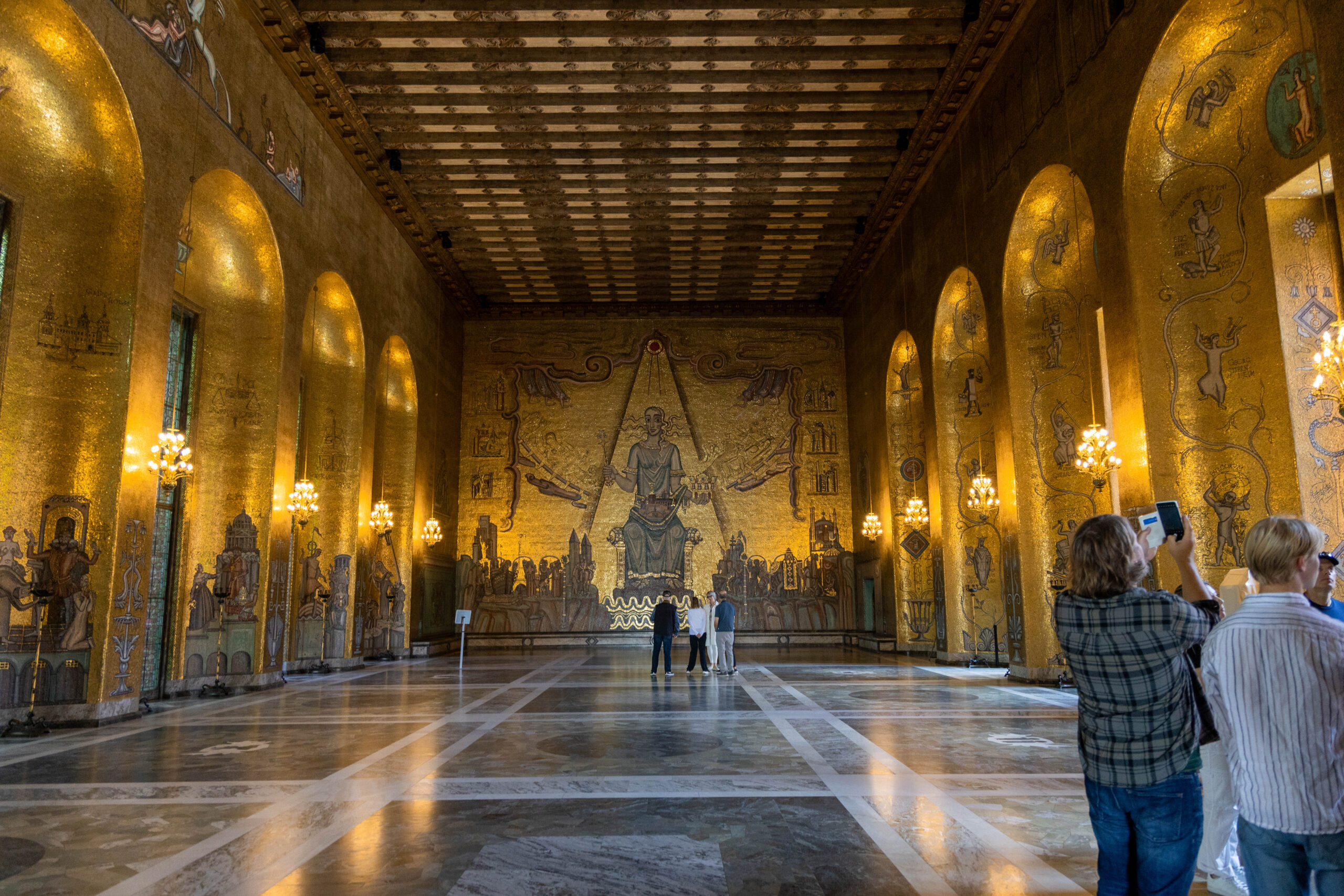
Stockholm City Hall (Stadshuset) is the red-brick building with a tower that appears in most photos of Stockholm’s waterfront. It stands on Kungsholmen at the edge of Riddarfjärden bay, with a small park by the water.
Designed by Ragnar Östberg, the building is a landmark of National Romanticism, blending modern and traditional styles with inspiration from Venetian and Byzantine architecture. Built between 1911 and 1923, its red brick façade required nearly eight million bricks, sourced primarily from Sweden. The 106 m (348-foot) tower, crowned with the Three Crowns, Sweden’s national emblem, is a defining feature of Stockholm’s skyline.
The City Hall is also famous as the venue for the annual Nobel Prize Banquet, held in the Blue Hall (Blå Hallen) and the Golden Hall (Gyllene Salen), the latter adorned with over 18 million gold mosaic tiles. Guided tours allow you to explore these grand spaces, as well as the Council Chamber and other assembly rooms, while learning about the building’s history and its role in Stockholm’s governance. Tours in English take about 45 minutes and cost 150 SEK for adults.
During summer, you can climb the City Hall Tower for panoramic views of Stockholm and its islands. Along the way, a small museum displays sketches and models of the building’s design. In December 2026, City Hall is closed December 6–11, December 24–26 and December 31.
Address: Hantverkargatan 1See on map
To learn more, read our article about the Stockholm City Hall
Nationalmuseum
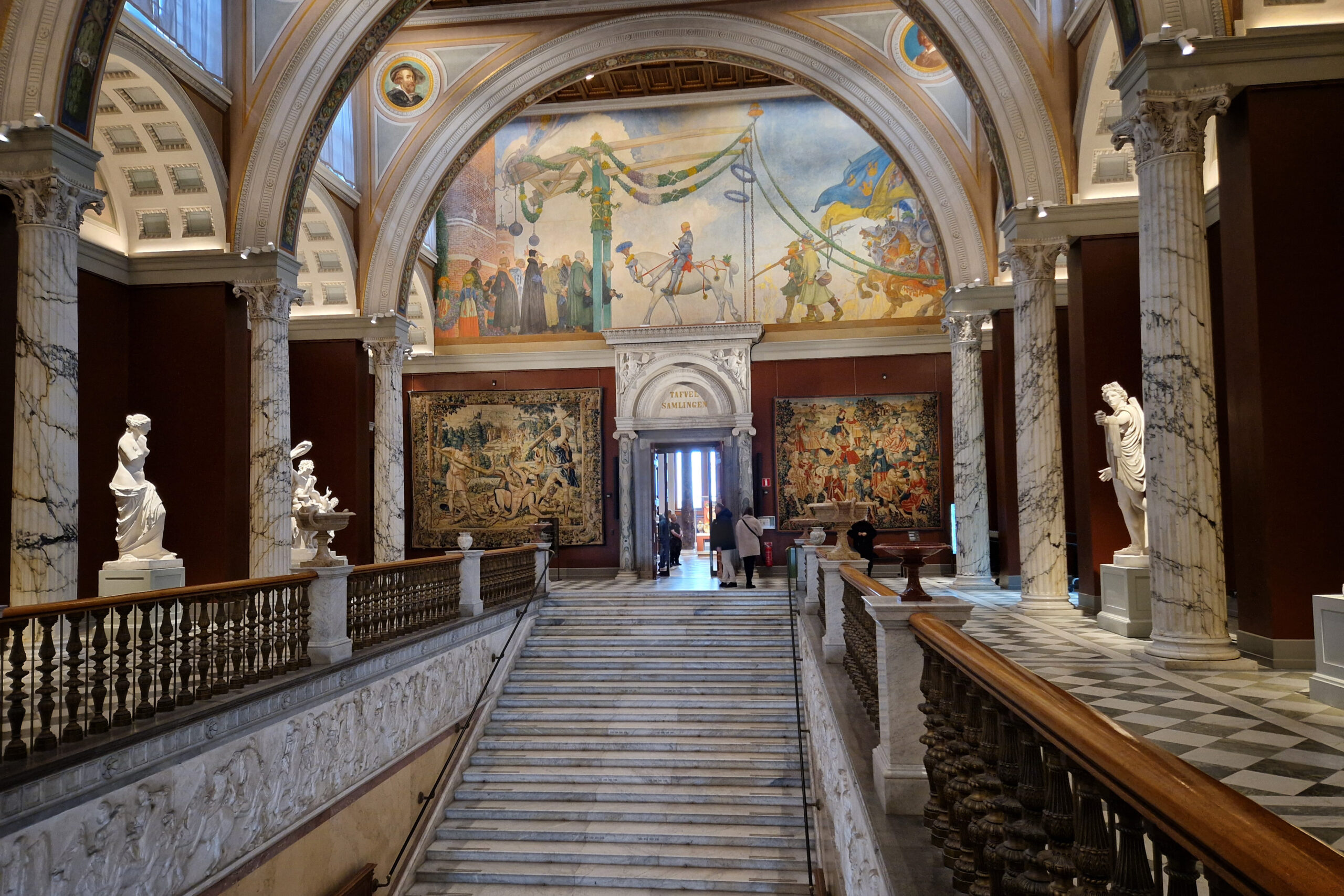
National Museum (Nationalmuseum) in Stockholm is Sweden’s museum of art and design. Located on the Blasieholmen peninsula, the museum faces the water and is easy to reach from central Stockholm. Founded in 1792 as the Royal Museum, it moved to its current building in 1866, a Neo-Renaissance building designed by German architect Friedrich August Stüler.
Inside, you’ll find an extensive collection of approximately 700,000 objects spanning from the late Middle Ages to the present day. The galleries feature works by renowned artists such as Rembrandt, Rubens, and Swedish masters like Carl Larsson and Anders Zorn, alongside applied arts like ceramics, textiles, and furniture. The museum also houses the National Portrait Gallery, where you can explore portraits of significant figures in Swedish history.
Following an extensive renovation completed in 2018, the museum now has improved exhibition spaces, designed to guide you through a chronological journey of art history. For families and children, interactive exhibits and guided activities make the museum an engaging and educational experience. You can also relax at the café or shop for souvenirs inspired by the collections.
Address: Södra Blasieholmshamnen 2See on map
To learn more, read our article about National Museum
Drottningholm island
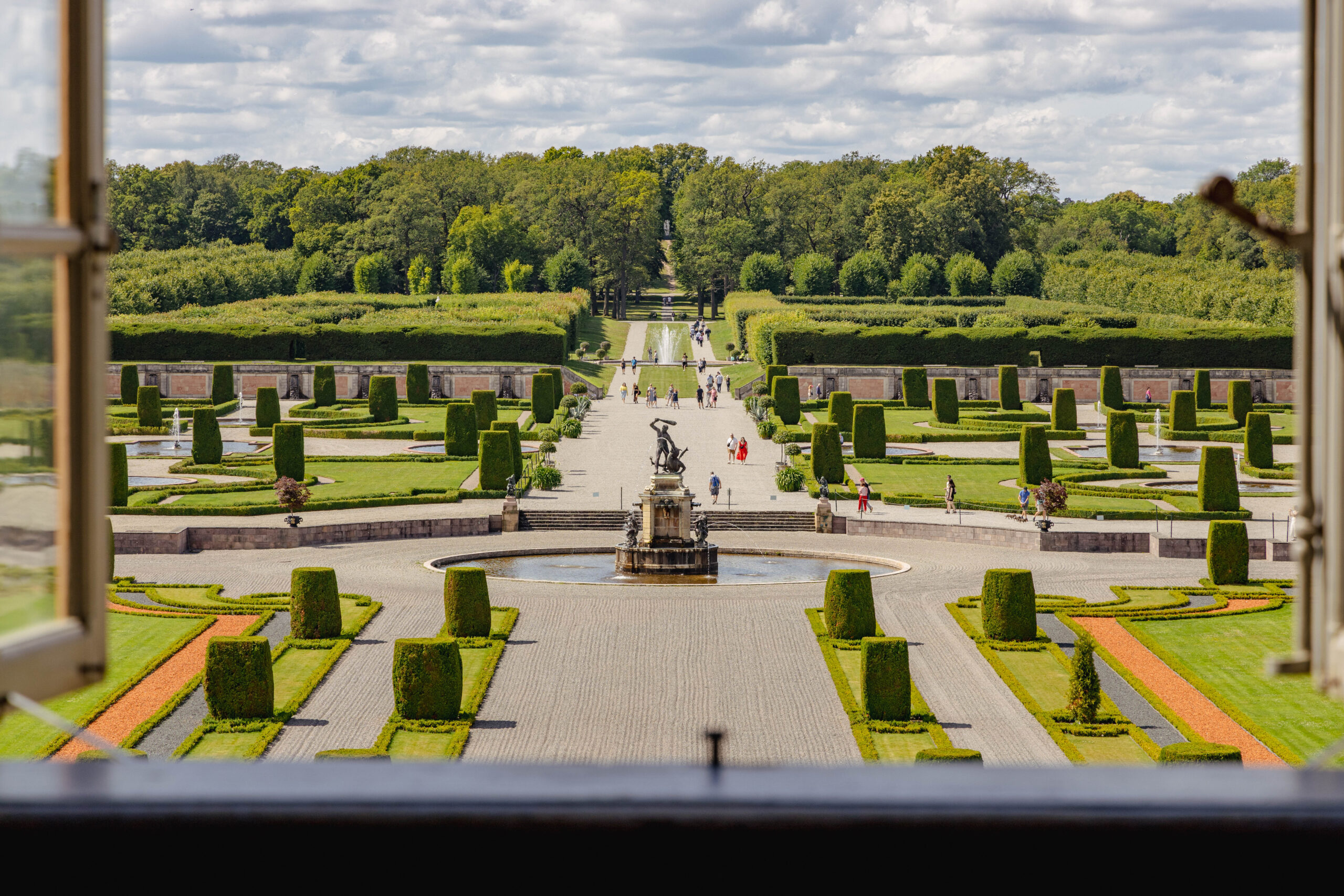
You’ll find Drottningholm Palace, a UNESCO World Heritage Site, on the island of Drottningholm, just 10 kilometers (6 miles) west of central Stockholm. As the permanent residence of the Swedish Royal Family, it offers a fascinating glimpse into Sweden’s royal history and cultural heritage. Built in the 1600s and inspired by the grandeur of Versailles, the palace is one of Sweden’s best-preserved royal castles, designed by architect Nicodemus Tessin the Elder.
Step inside the palace to explore its salons, showcasing styles from the 17th, 18th, and 19th centuries. Look for the Palace Theatre, the world’s only 18th-century theater still using its original stage machinery, or the Chinese Pavilion, an 18th-century pavilion in Chinoiserie style.
The grounds have three distinct gardens: the formal Baroque Garden, the English Park and the gardens around the Chinese Pavilion. Each reflects a different period of European landscape design.
You can join guided tours in English or explore the palace and gardens at your own pace. In winter, the palace opens on few days: in November 2026 it is open on weekends, 10:00–16:00, and in December only on December 5–6 and 31, then daily January 1–6. The park is open to walk in all year.
To learn more, read our article about Drottningholm Palace
Stockholm’s archipelago
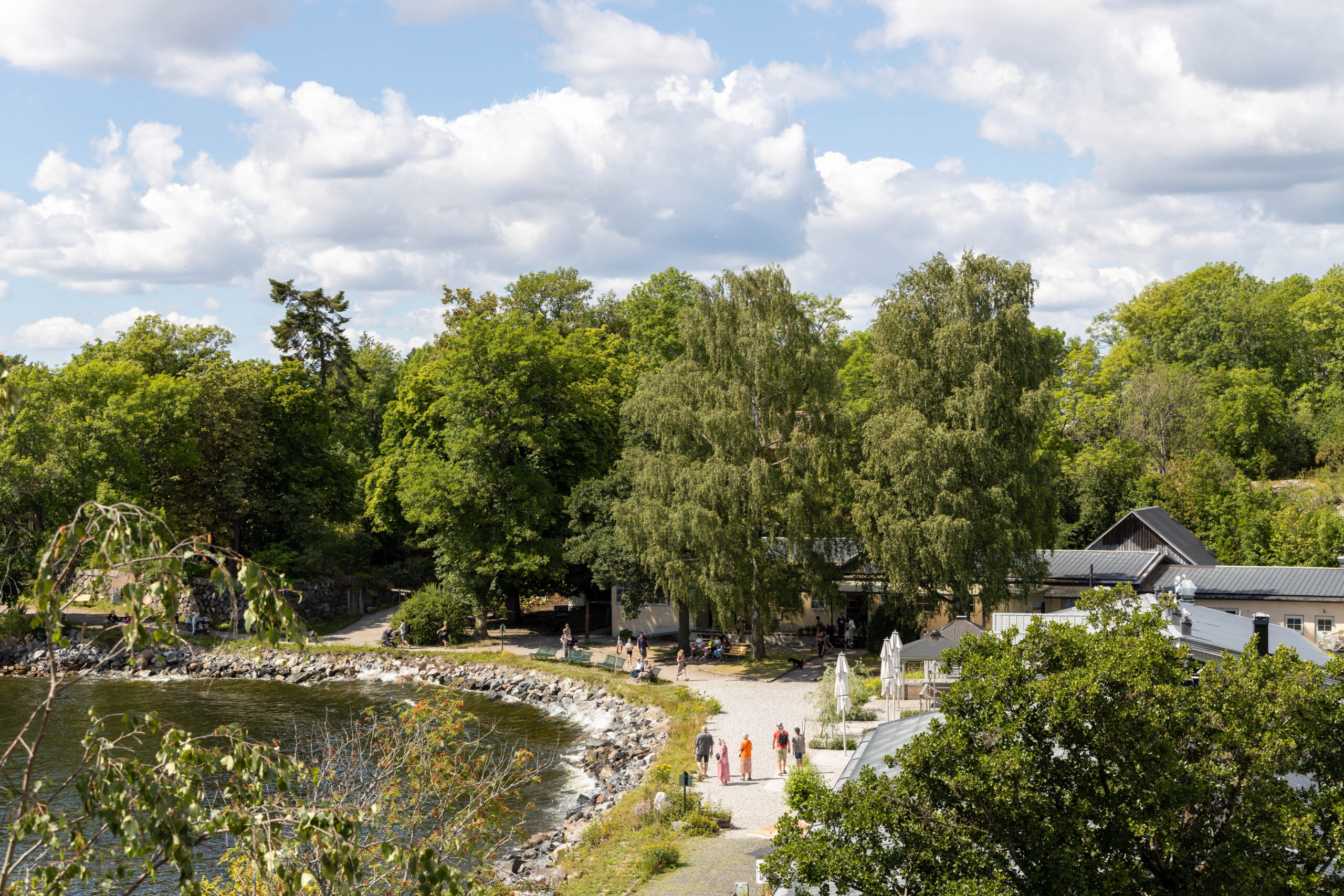
The Stockholm archipelago starts just outside the city. It has over 30,000 islands and stretches 80 km (50 miles) into the Baltic Sea, with nature reserves, old villages and island restaurants.
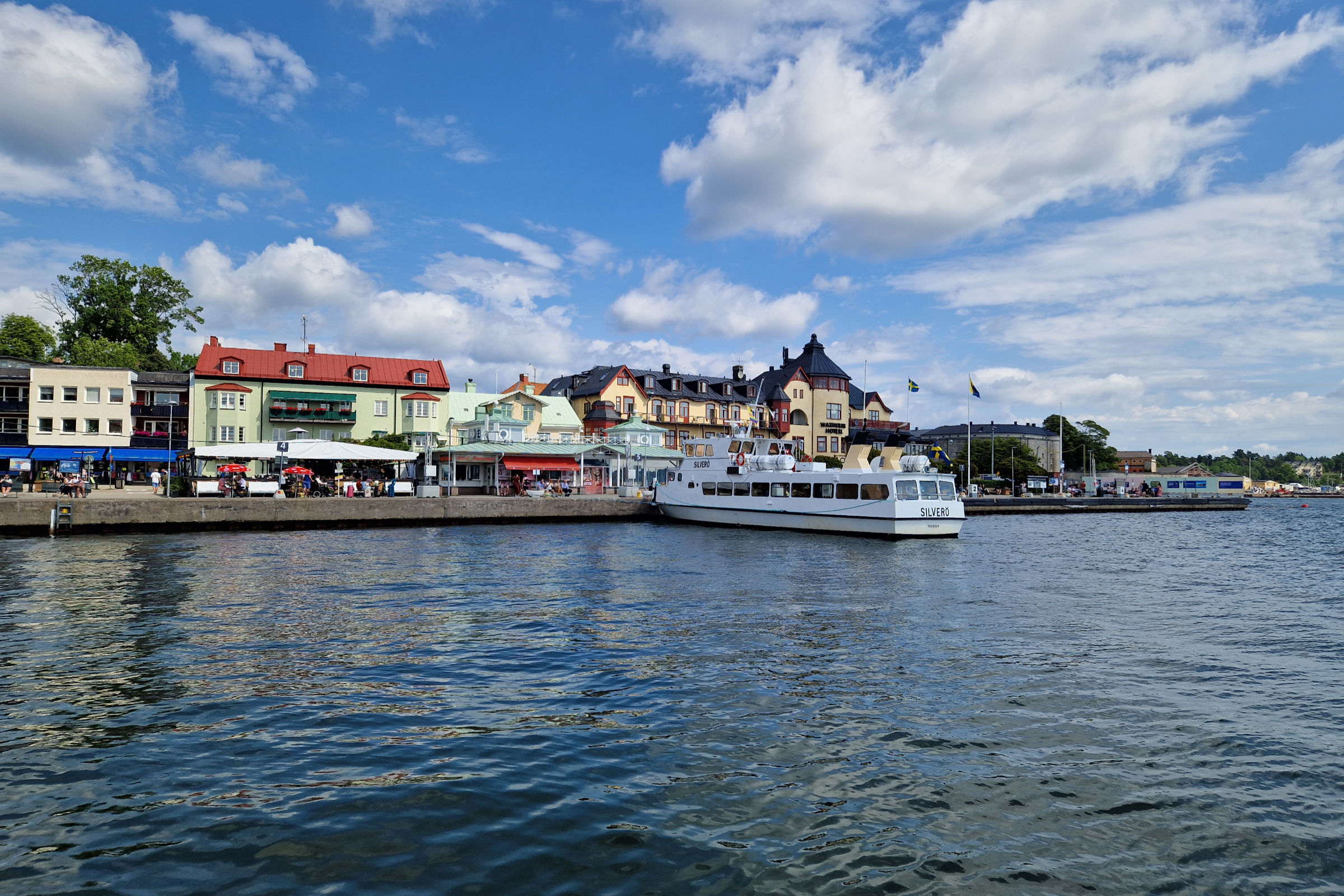
You can easily access the archipelago from Stockholm via regular ferries. Start with Fjäderholm islands (Fjäderholmarna), the closest islands, just 20 minutes from the city. Here, you’ll find artist studios, scenic rocky outcrops, and plenty of spots for picnics or short hikes. Vaxholm is known for its pastel wooden houses and Vaxholm Fortress. Other favorites include Sandhamn, an international sailing hub with sandy beaches, and Grinda, a nature reserve with swimming and kayaking.
The archipelago is busiest in summer but you can visit all year. Explore the islands’ forests and meadows, try sea kayaking or fishing, relax on sandy beaches, or eat at an island restaurant. In winter, fewer boats run and many island restaurants close, so check the timetable before you go. Vaxholm is the easiest island to visit all year, by boat or by bus from the city.
To learn more, read our article about the best islands to visit in Stockholm’s archipelago
Artipelag

Artipelag is an art museum and cultural venue on Värmdö in the Stockholm archipelago, about 20 minutes by car from the city center. It has 10,000 square meters (107,000 square feet) of space, including 3,000 square meters of galleries, on 9 hectares (22 acres) of forest and shoreline.
The museum hosts a wide range of art exhibitions, from contemporary works to immersive shows. Outdoors, you can explore a sculpture garden that connects to coastal walking paths and boardwalks, with views of the archipelago. You can visit the surrounding park and nature paths free of charge.
To learn more, read our article about Artipelag.
Monteliusvägen

Monteliusvägen is a walking path on the northern edge of the Södermalm district, with one of the best panoramic views of the city. It runs for about 500 m (1,640 feet) along the cliffs above Söder Mälarstrand, and it is free and open year-round.
From here you’ll have a view of Stockholm City Hall, Gamla Stan, Riddarholmen Church, Lake Mälaren, and the Kungsholmen district. You’ll also see the twin North Towers (Norra Tornen) on the horizon, to the left from the City Hall.
The best times to visit are early morning or late afternoon, when the light is low. In December the sun sets before 15:00, so come early in the afternoon for daylight views, and wear sturdy shoes on the cobblestones in winter. The path is not wheelchair-friendly due to the terrain. On New Year’s Eve it is one of the most popular places to watch the fireworks.
Address: MonteliusvägenSee on map