Founded in 1891 as the world’s first open-air museum, Skansen draws over a million visitors each year. It’s the easiest way to experience Swedish history, wildlife, and traditions in one place. It’s also one of the sights we’d put first on any visit, and our guide to sightseeing and attractions in Stockholm shows what else to pair it with.
Here, you can walk through historic Swedish houses and farms, see Nordic animals, experience traditional celebrations, and enjoy wide views over the city and water. Because most of Skansen is outdoors, your visit will feel very different depending on the season, the weather, and how much time you have. That’s part of its charm.
How much does Skansen cost, and when is it open?
| Ticket | Price in 2026 | Good to know |
|---|---|---|
| Adult, one-day ticket | 240 SEK, or 325 SEK on event days | Event days include Halloween and the Christmas market |
| Student or pensioner | 200 SEK, or 285 SEK on event days | Students show a valid student ID |
| Children 0–15 | Free | Add a free child ticket when you book. Under-13s must come with an adult |
| Skansen Aquarium | Not included | Pay on site at the aquarium |
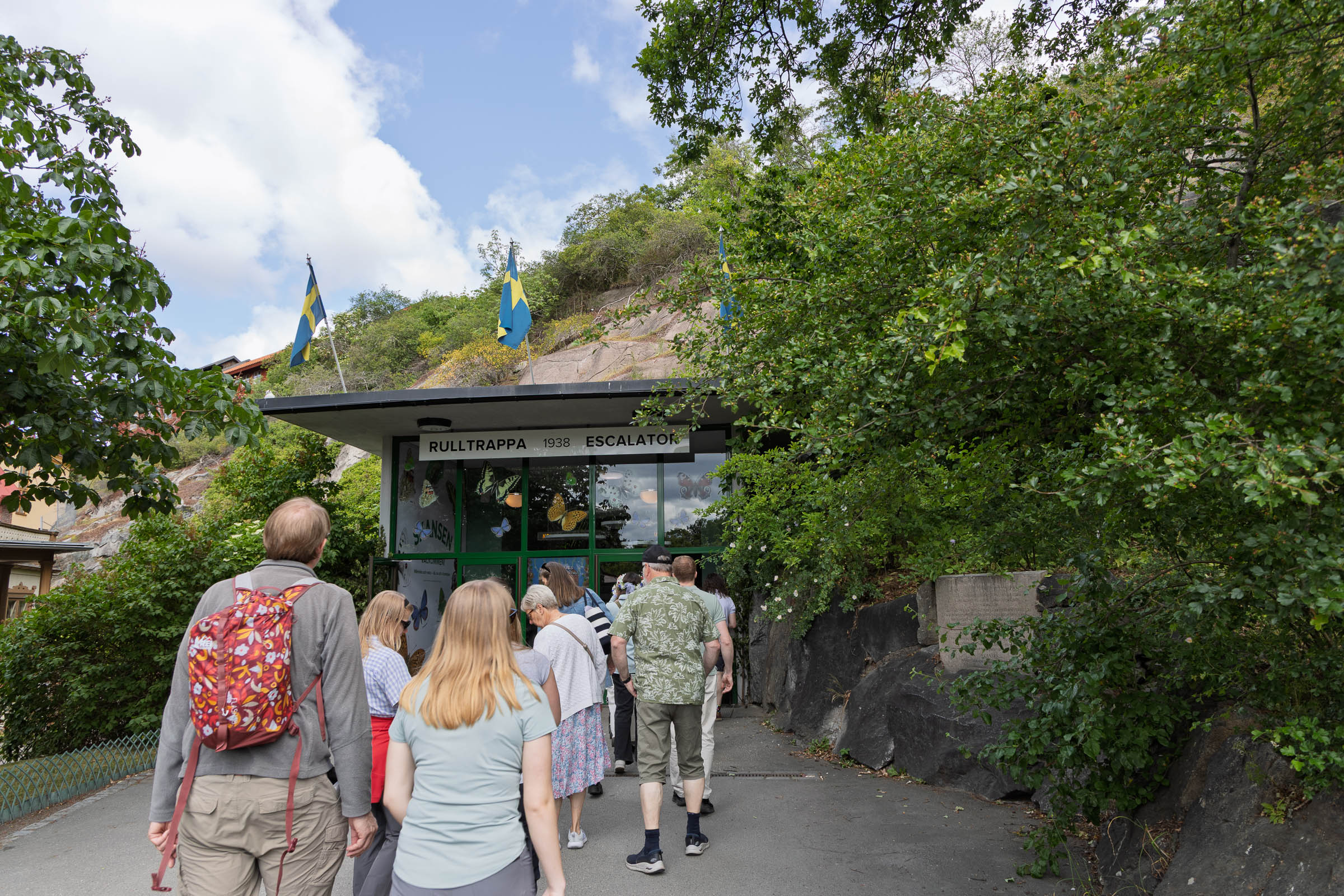
| Funicular from the Hazelius Gate | Separate ticket | Runs in high season and on some weekends |
The one-day ticket covers the Baltic Sea Science Center and Lill-Skansen, the children’s zoo. Tickets are cheapest online and slightly dearer at the entrances, which are cash-free. Online tickets can be cancelled for free until the day before your visit.
Opening hours, as of October 2026
- Until 10 January 2027: weekdays 10:00–15:00, weekends 10:00–16:00
- Autumn school holiday, 24 October–1 November: 10:00–16:00, with extra Halloween evenings 15:00–19:00 on 24 October and 28–31 October
- Christmas market, 27 November–20 December: Friday–Saturday 10:00–17:00, Sunday 10:00–16:00
- Christmas Eve 10:00–14:00, 25 December–10 January 10:00–16:00, New Year’s Eve 10:00–16:00 and 20:00–24:00
- Spring and summer 2027: 10:00–16:00 from 25 March, 10:00–17:00 from 30 April, 10:00–18:00 from 31 May to 29 August, then 10:00–17:00 until 3 October
Why you might want to visit
Skansen offers something that is hard to find elsewhere: history, nature, animals, and traditions all in one place, right inside the city.
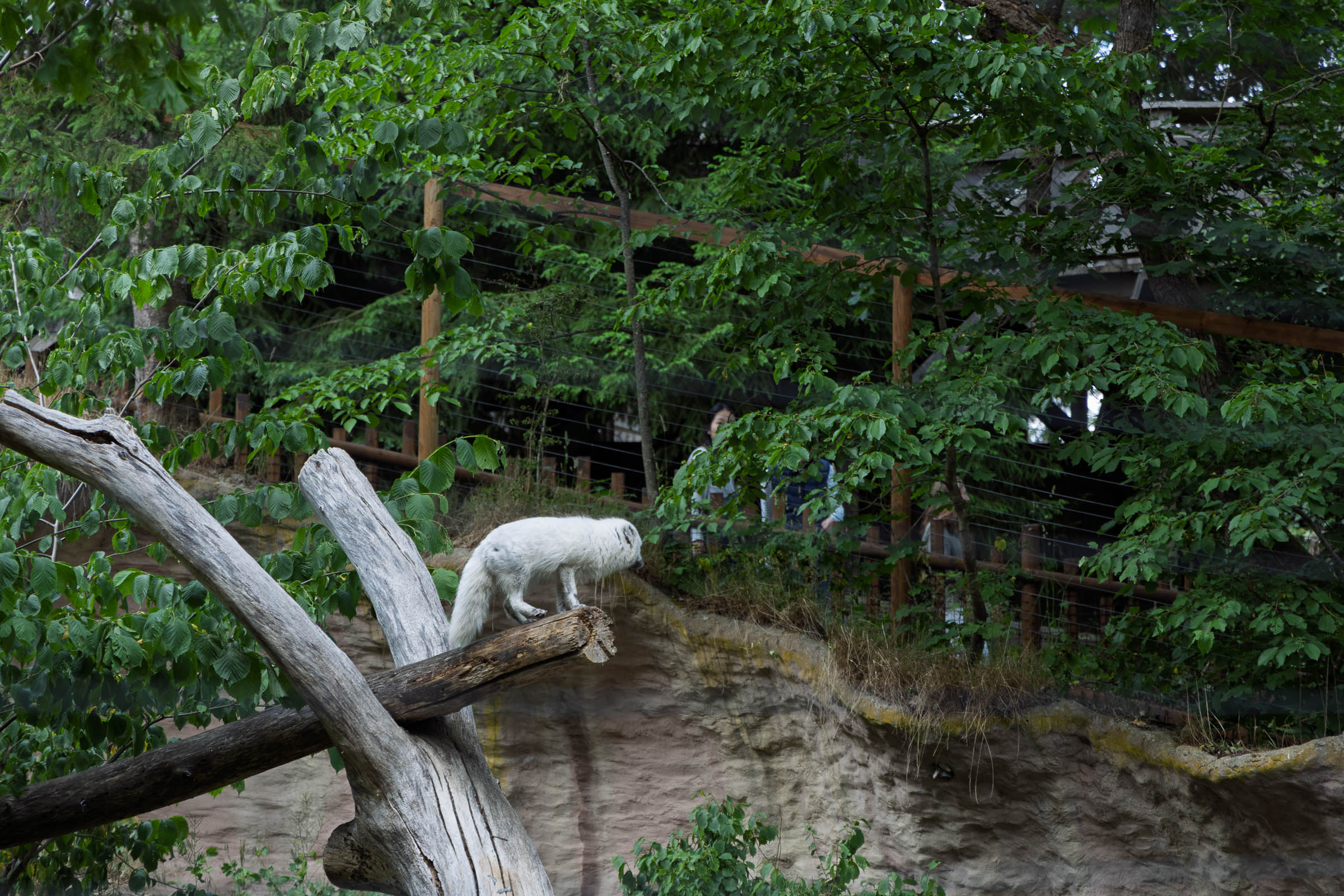
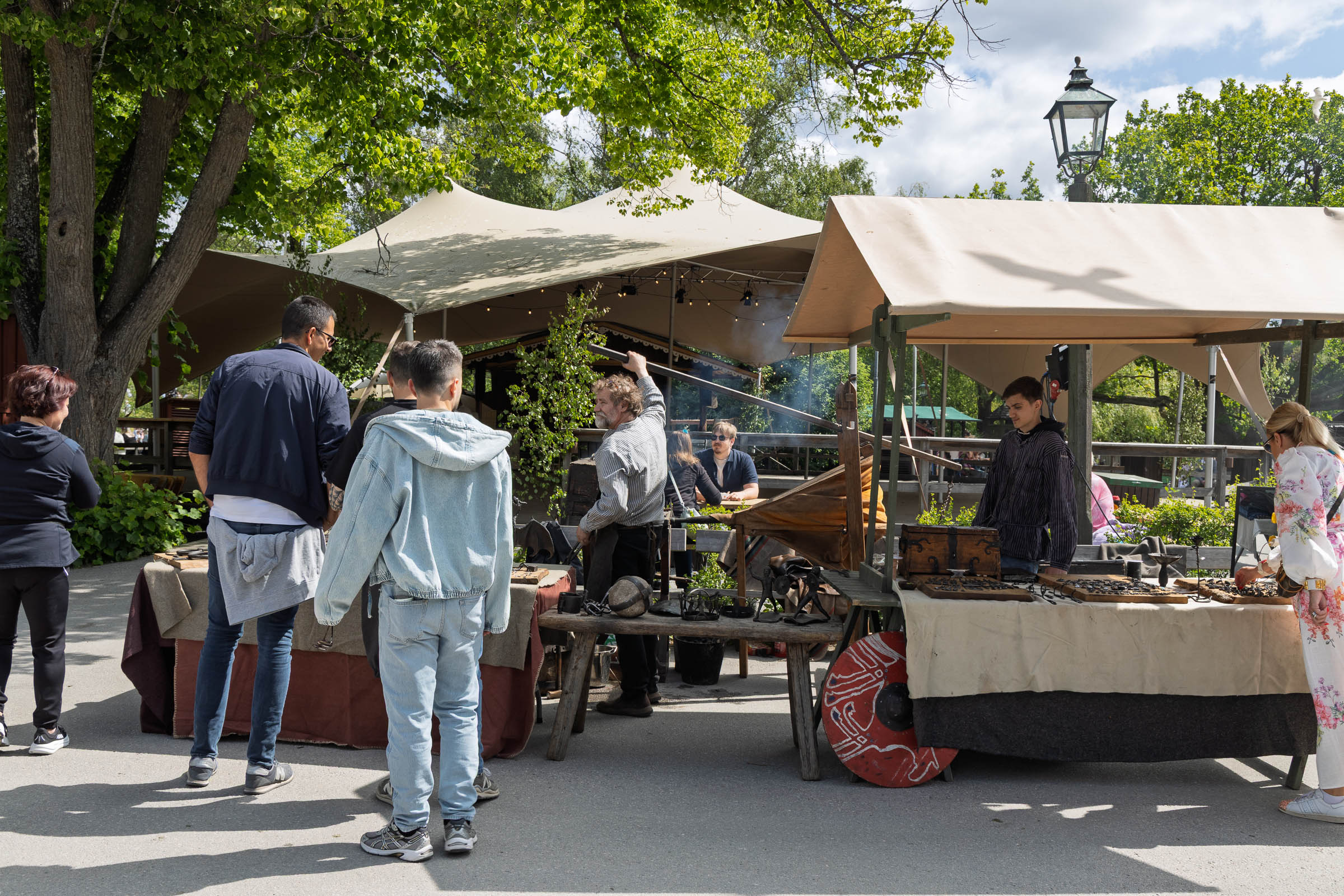
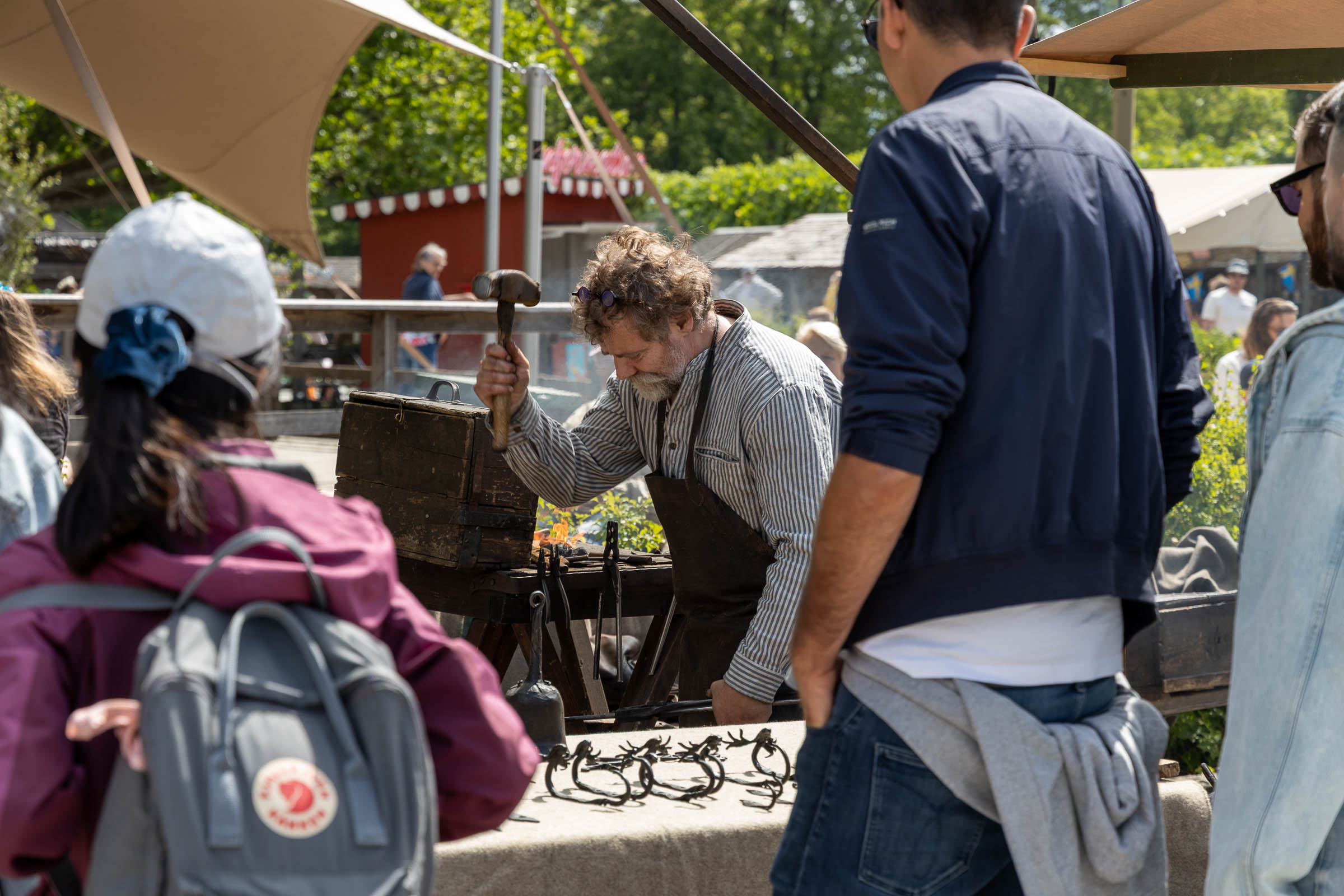
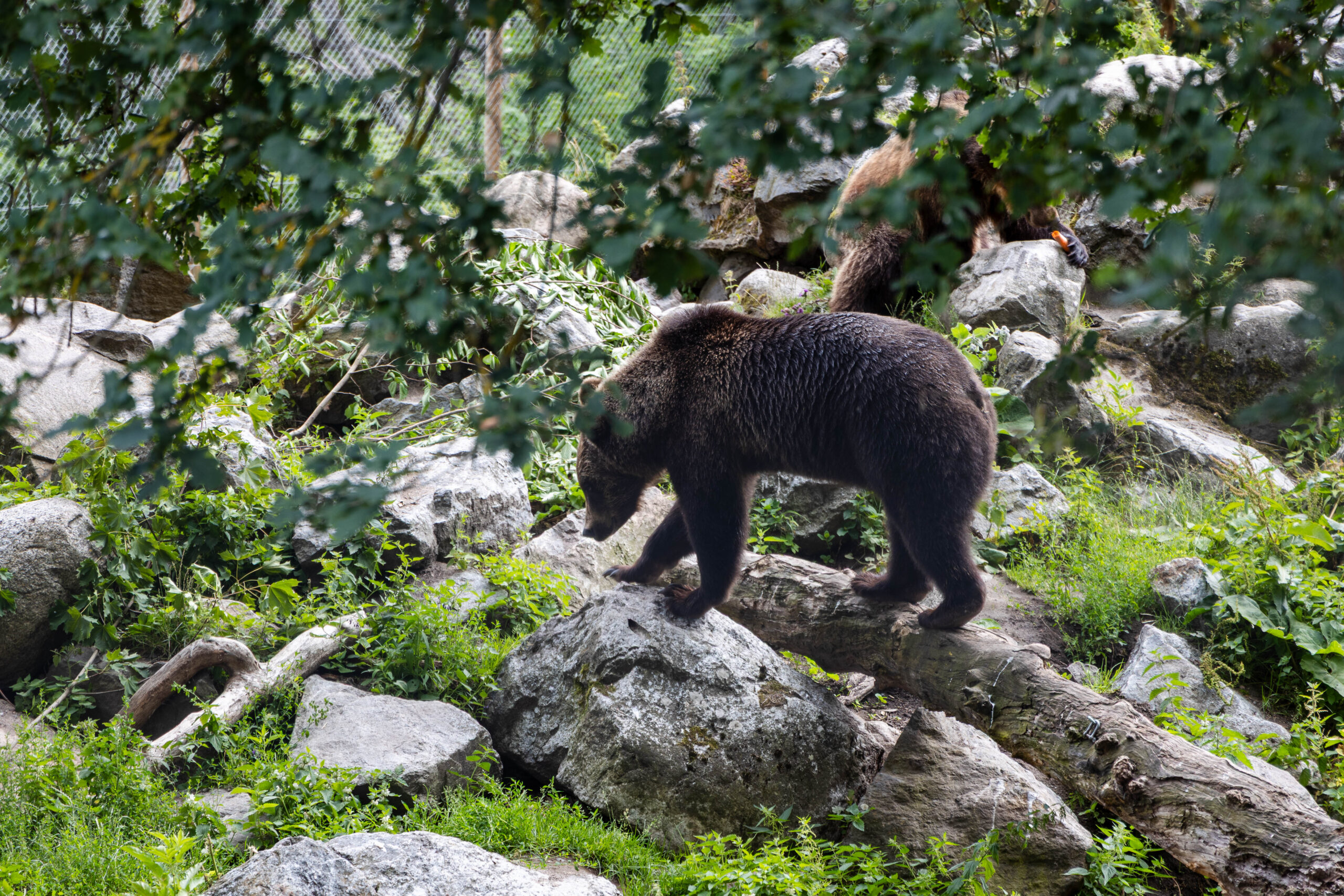
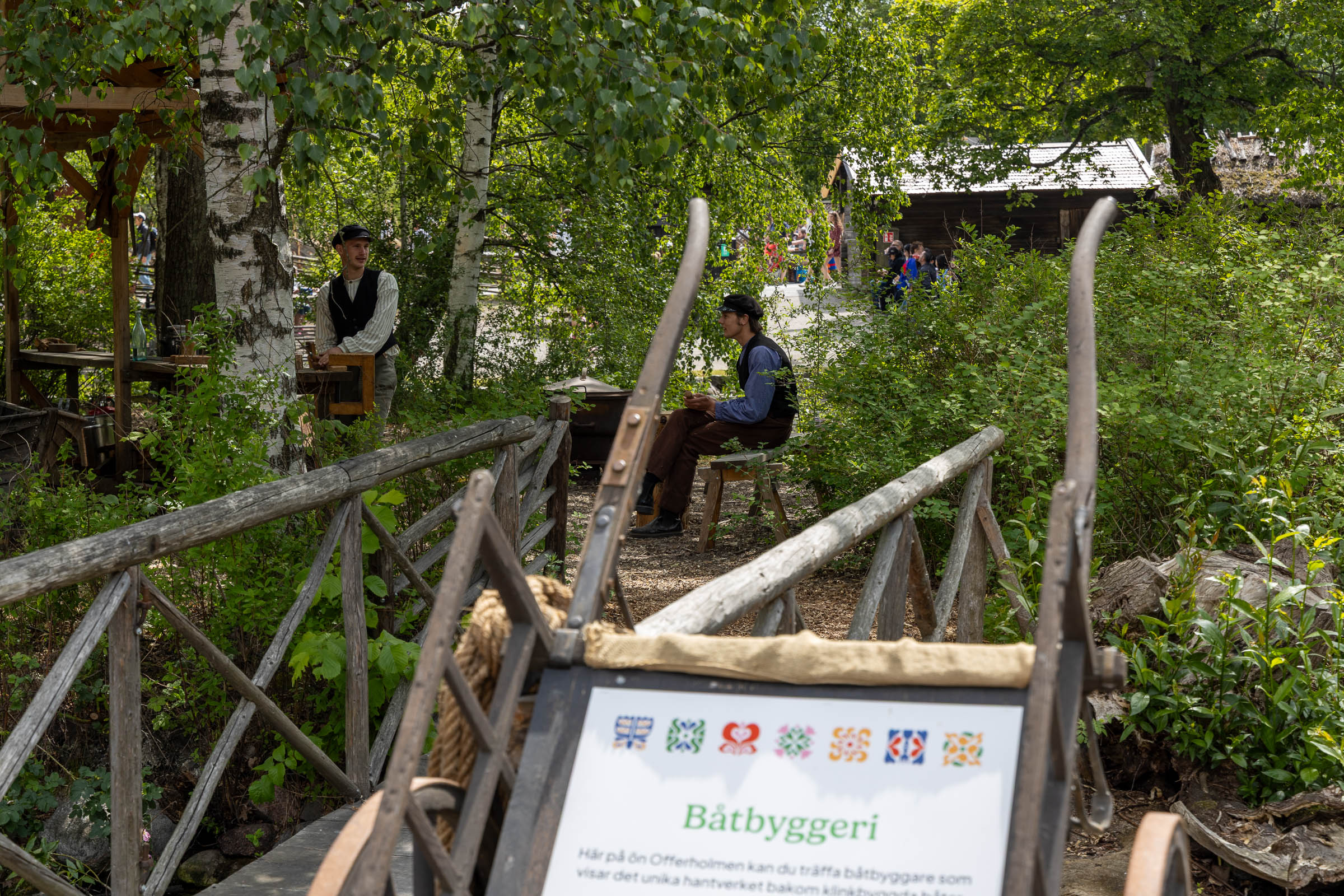
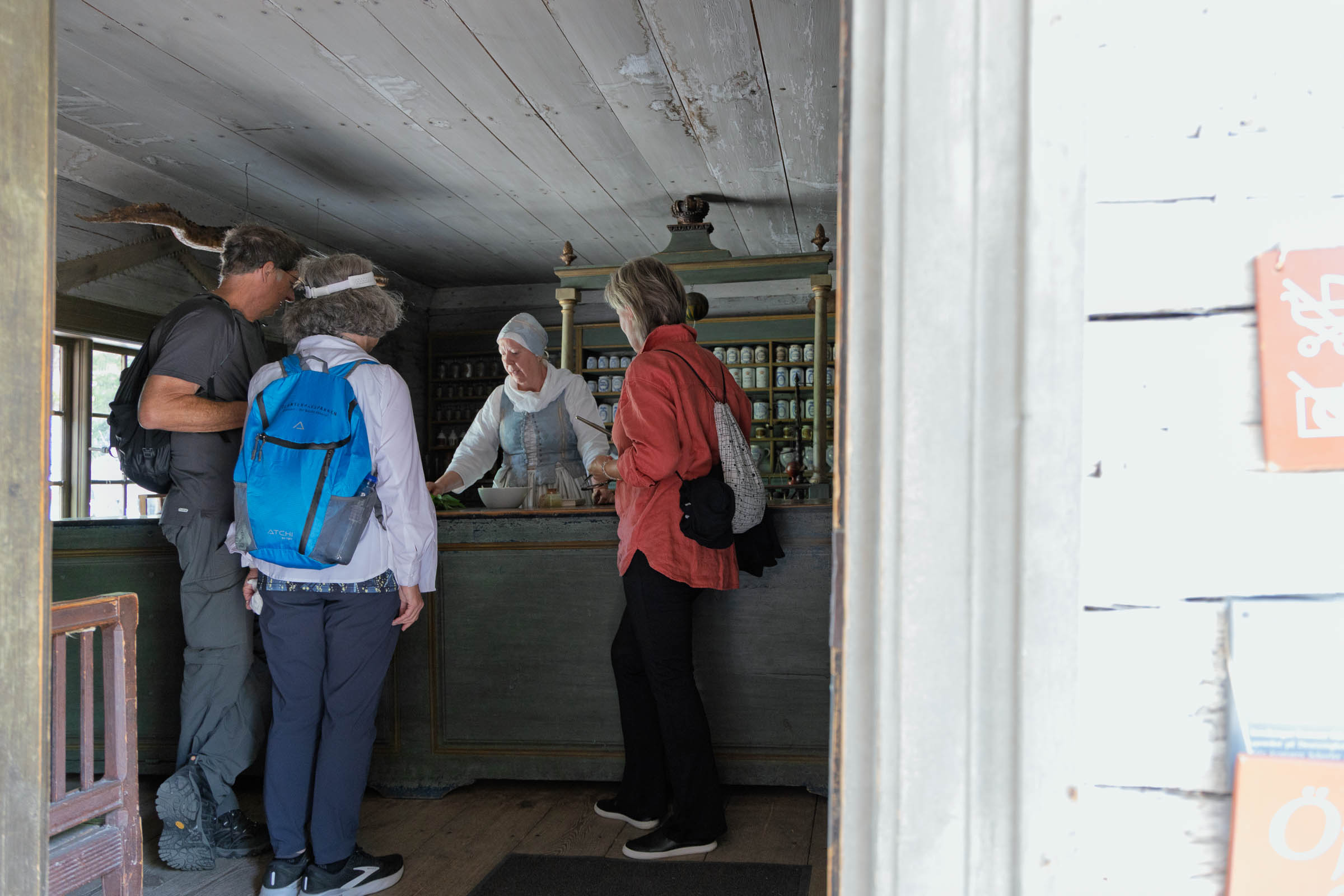
You can explore historic wooden buildings moved here from all over Sweden. In summer costumed guides demonstrate how people used to live and work in Sweden in previous centuries. You can also see Nordic animals such as moose, reindeer, bears, wolves, lynx, and seals, alongside farm animals and a modern indoor Baltic Sea Science Center. The bear enclosure sits on a hillside, with trees and playgrounds for the animals.
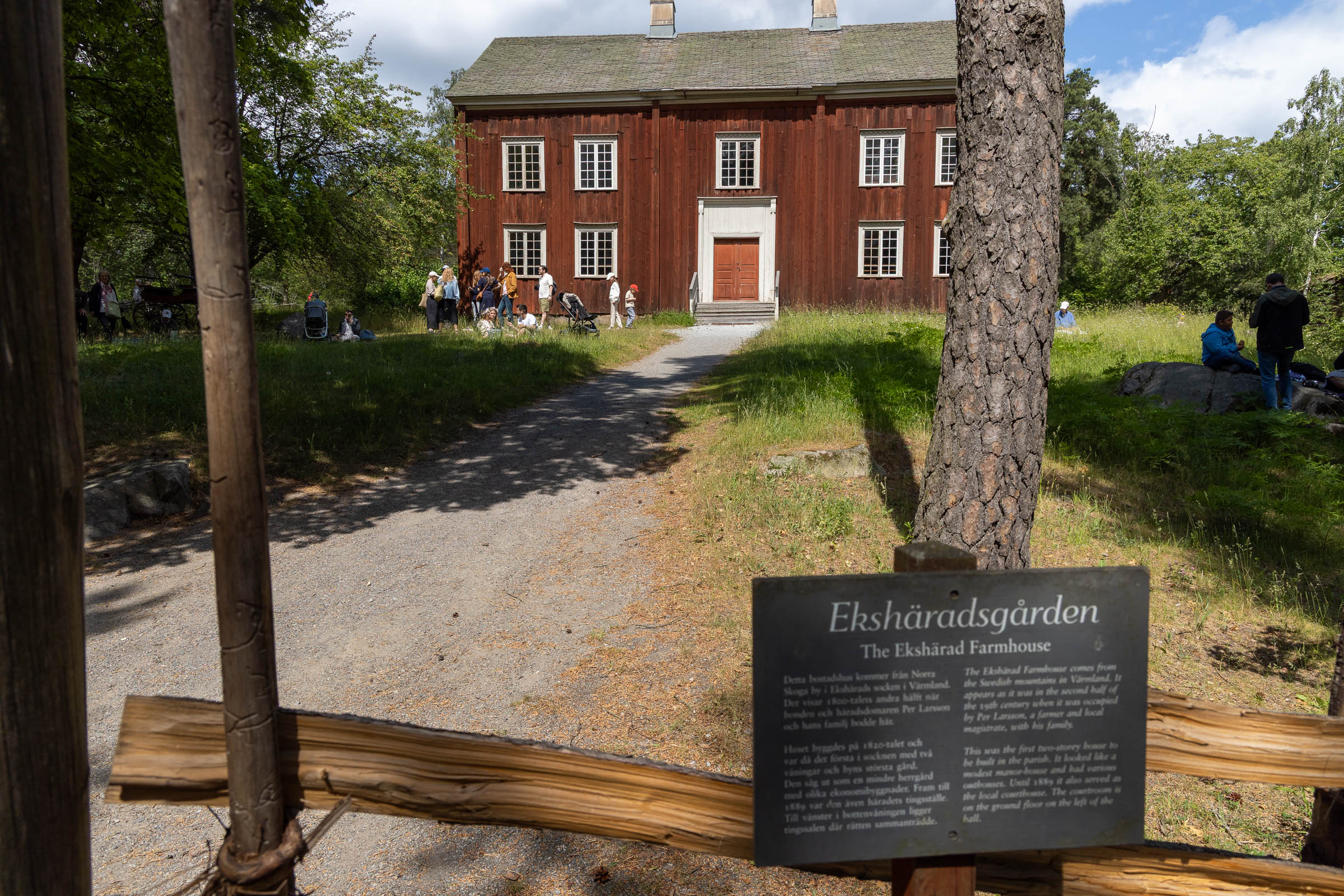
It’s especially popular with families, but many adults visit without children and enjoy it just as much. Locals often return again and again, especially during major Swedish holidays like Midsummer, Walpurgis Night, Christmas, and New Year’s Eve. The area is large enough that each visit can feel different, and being outdoors means the atmosphere changes with the seasons.
What makes Skansen unique
Skansen is an open-air museum, meaning that history is shown through real buildings, landscapes, and daily life rather than just indoor displays. You don’t just read about the past, you walk through it.
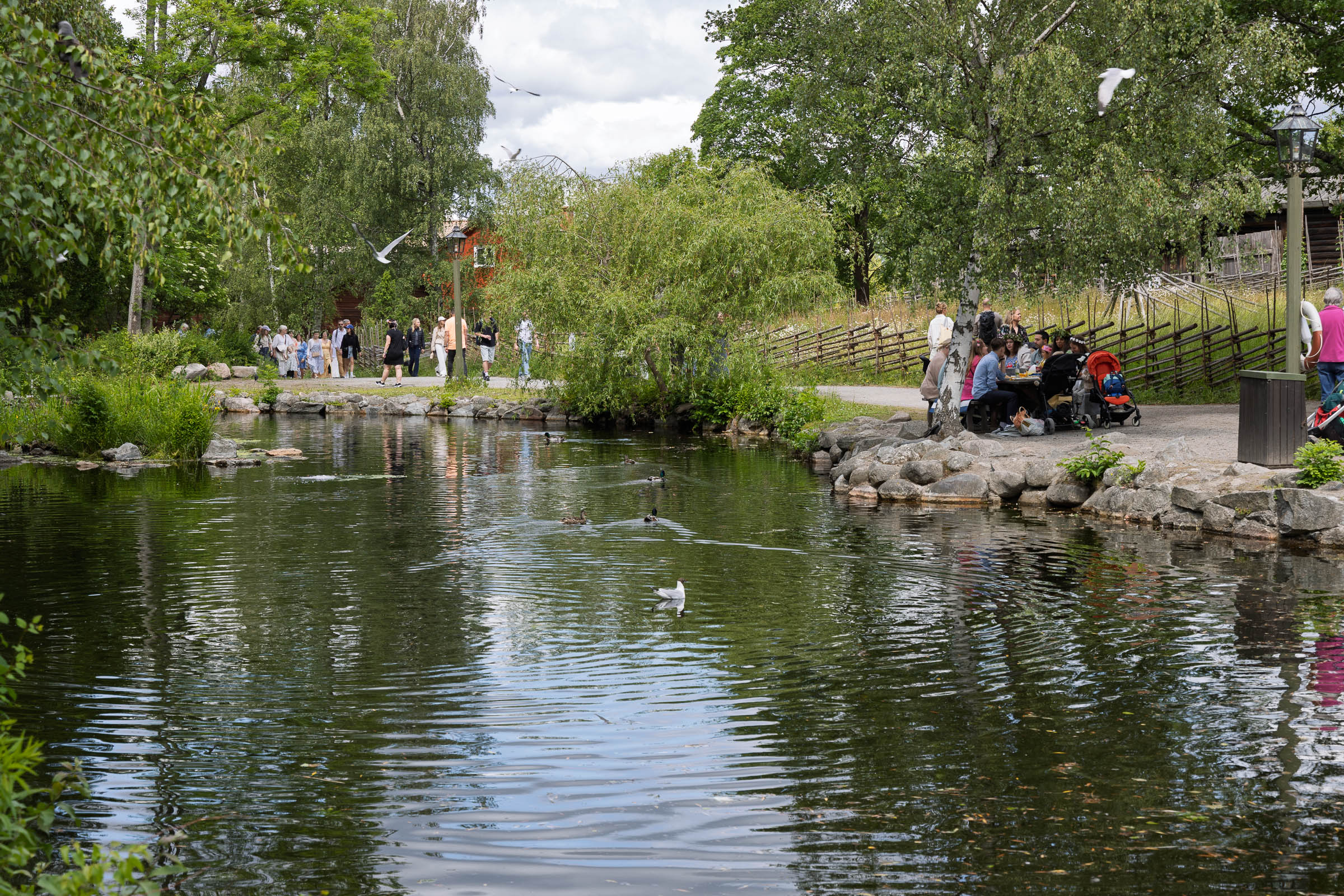
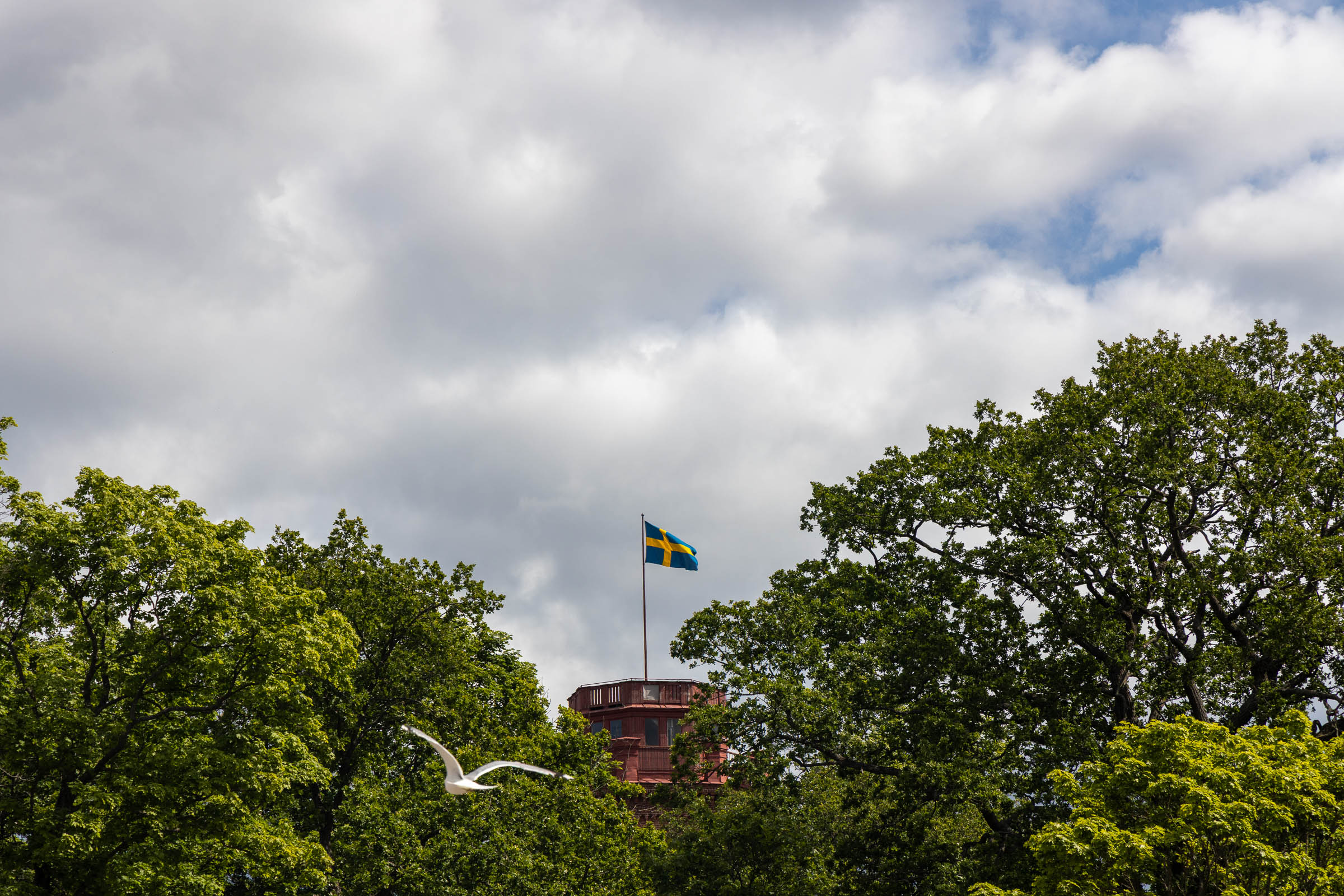
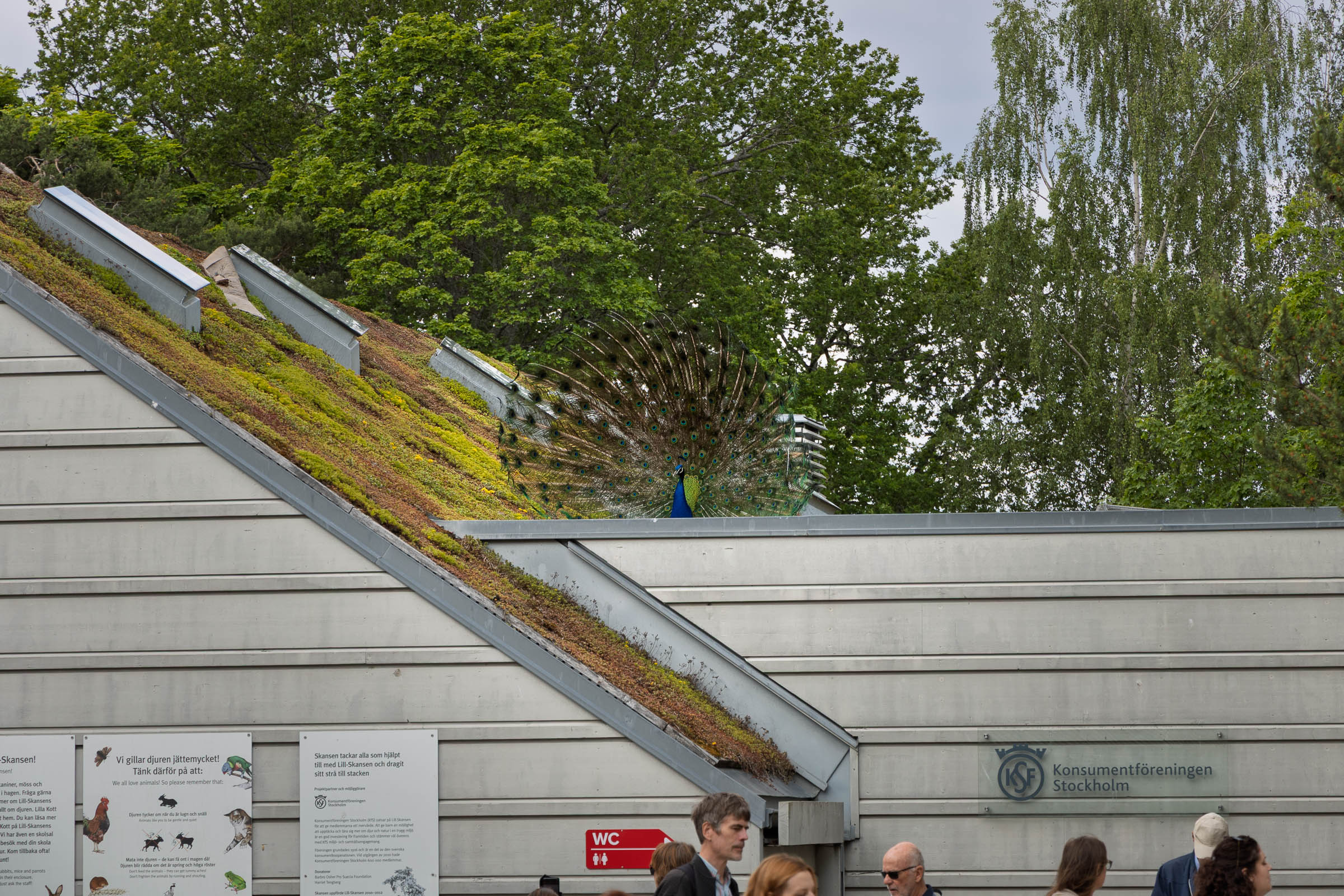
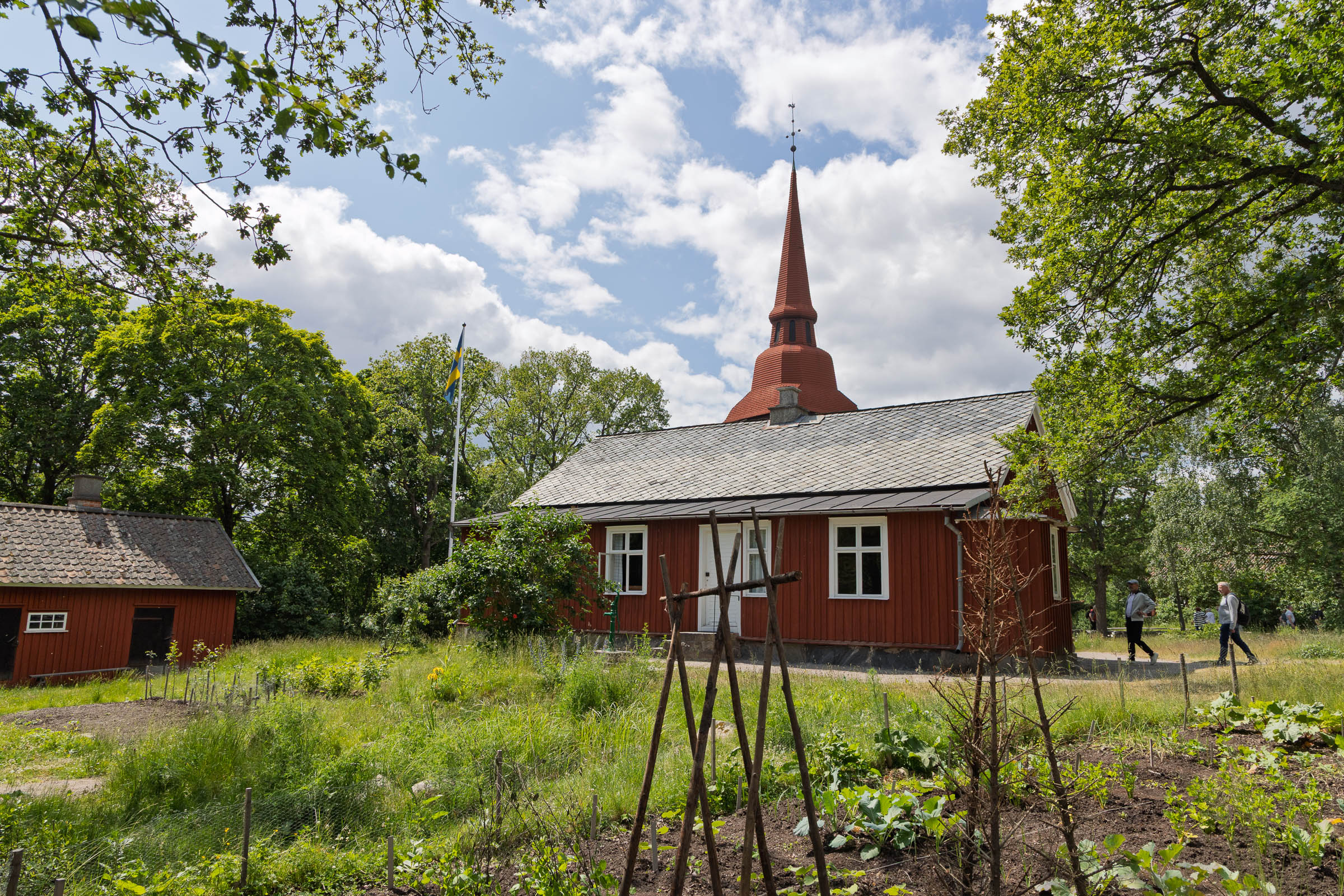
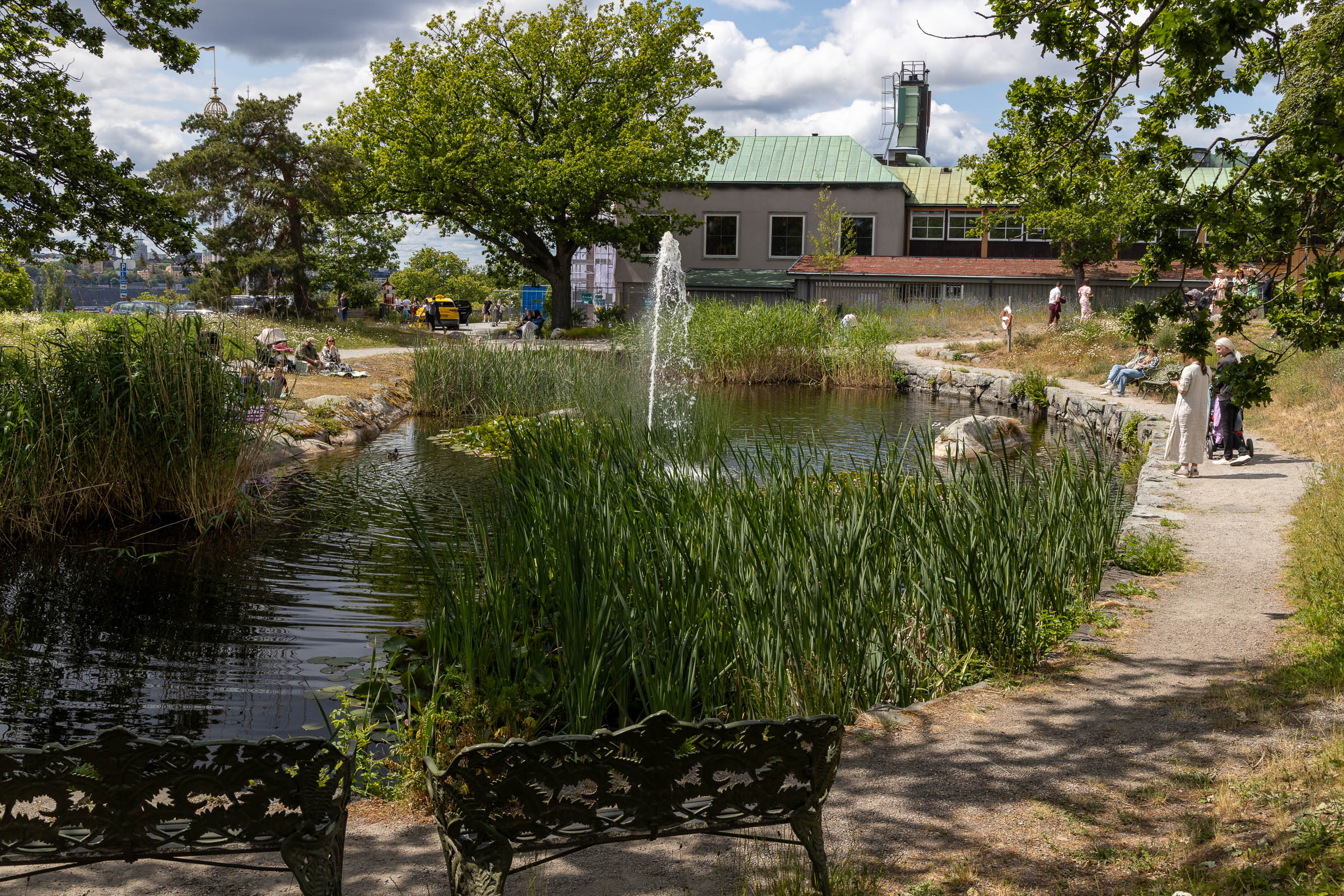
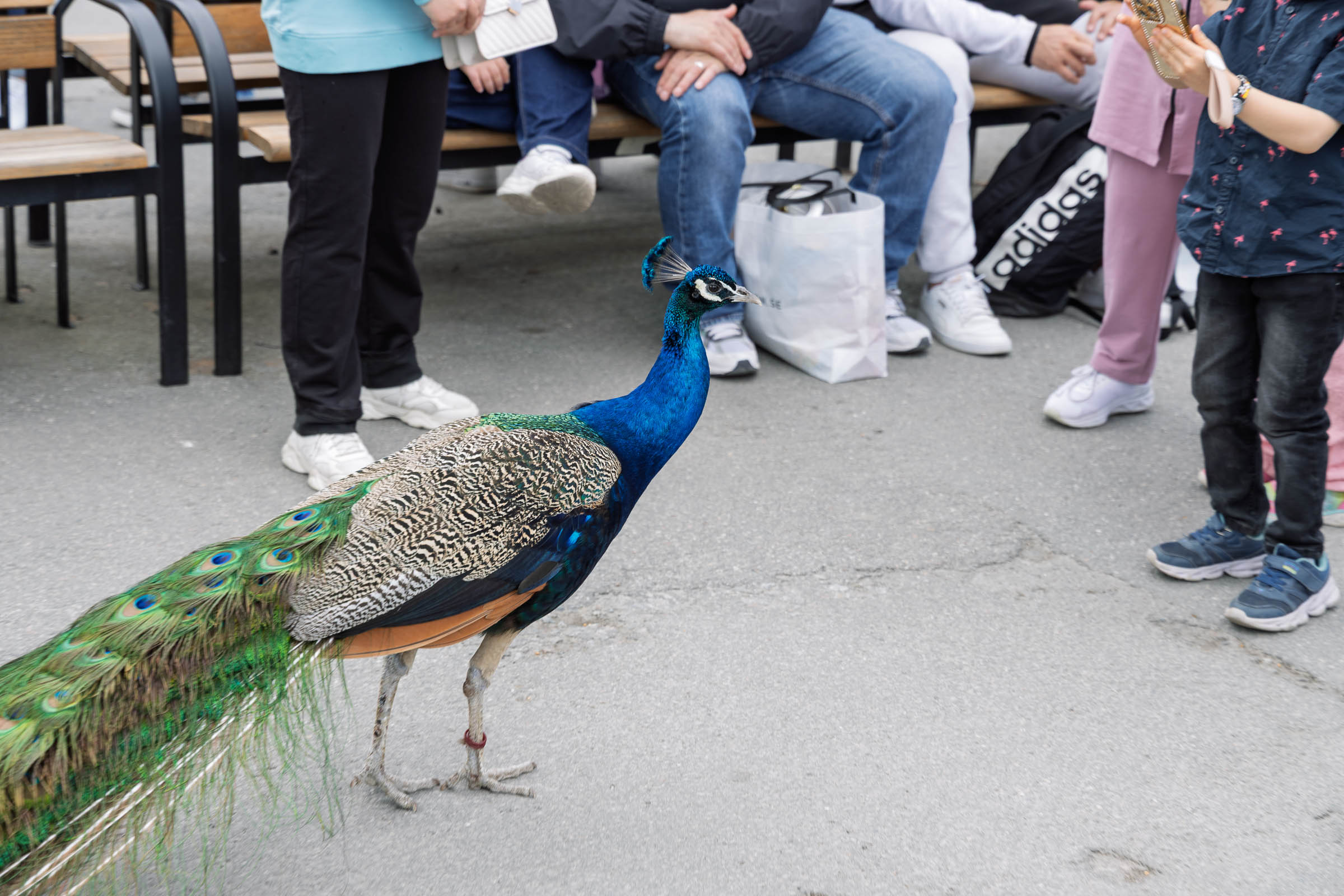
What really makes Skansen special is the combination:
- A large, hilly area with both lively and very quiet corners
- Historic houses, farms, gardens, and workshops
- Nordic wildlife and domestic animals
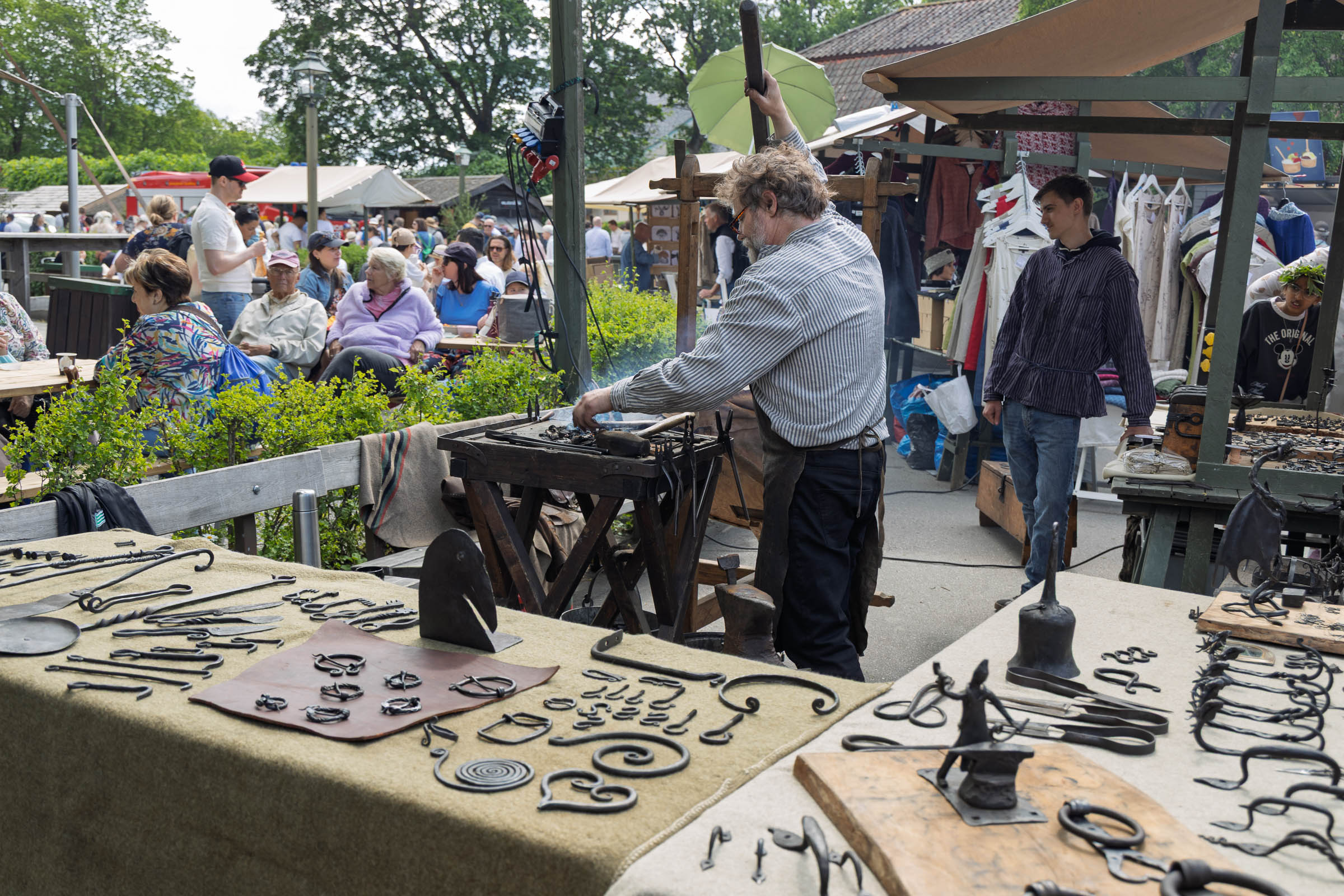
- Seasonal events, music, dancing, and markets
- Strong local traditions – this is a place Stockholmers genuinely love
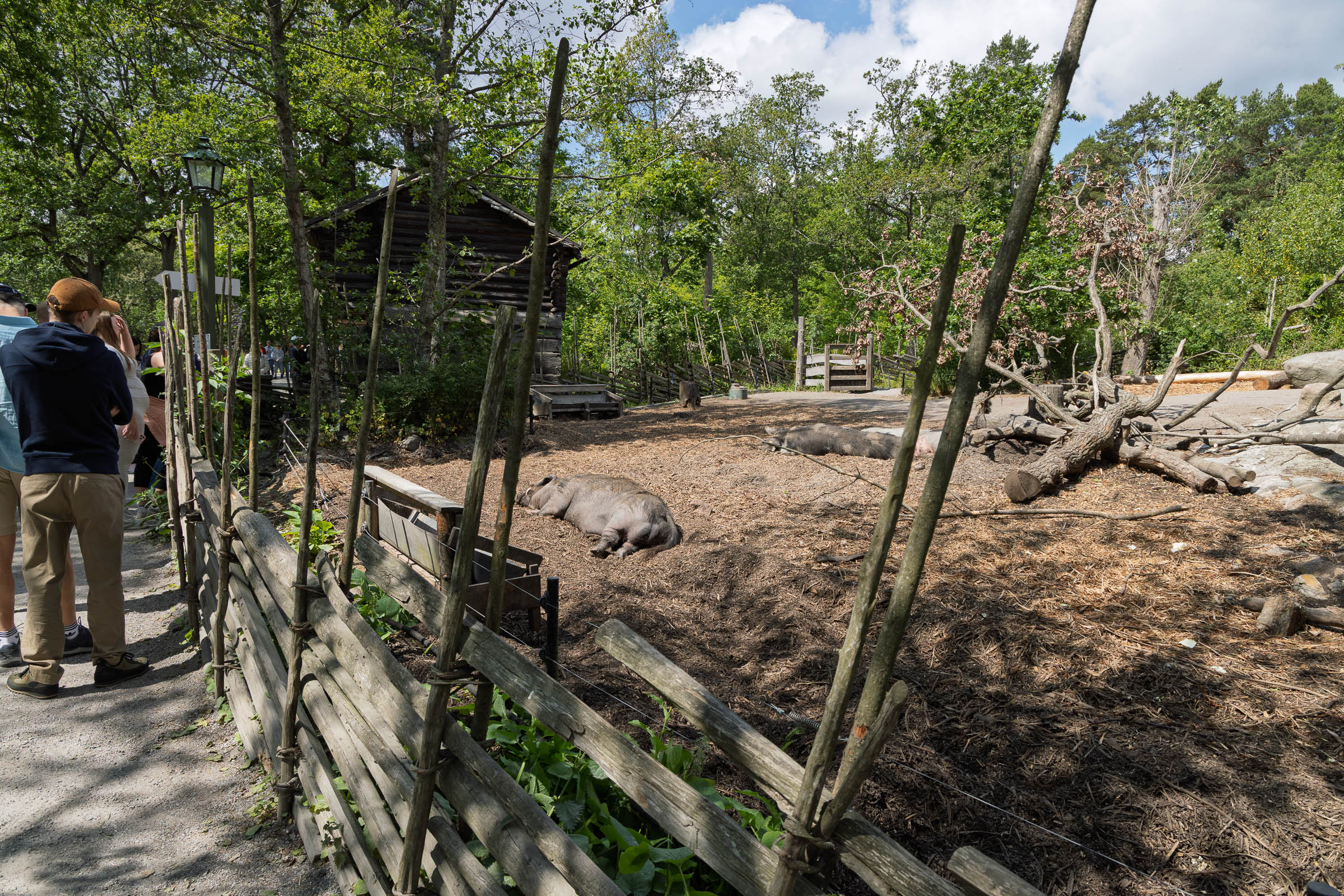
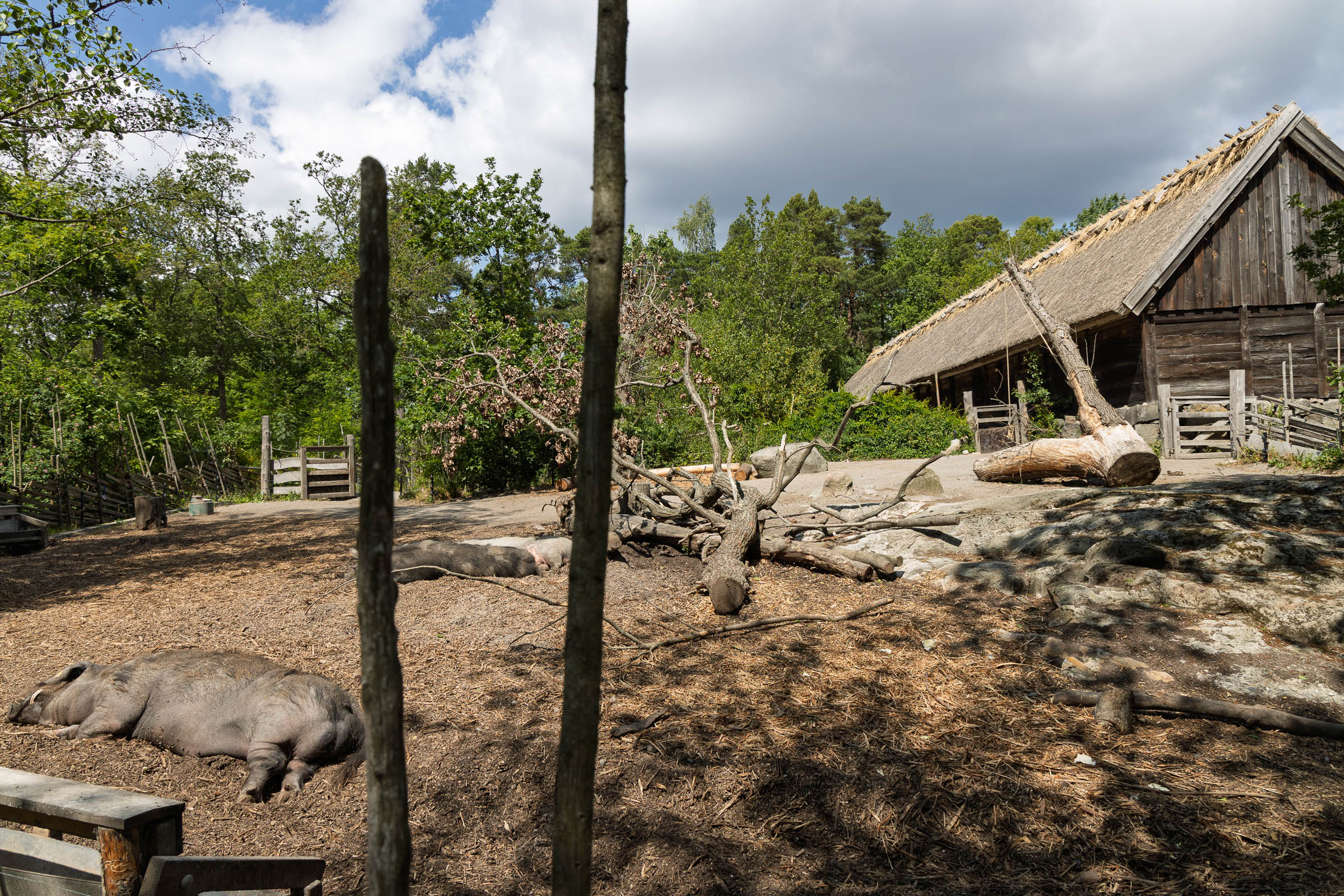
For children, Skansen can feel like a small world to explore: animals, historic environments, play areas, and places to run around. At the same time, it works well for adults who are interested in history, nature, photography, or simply enjoying a slower walk outdoors.
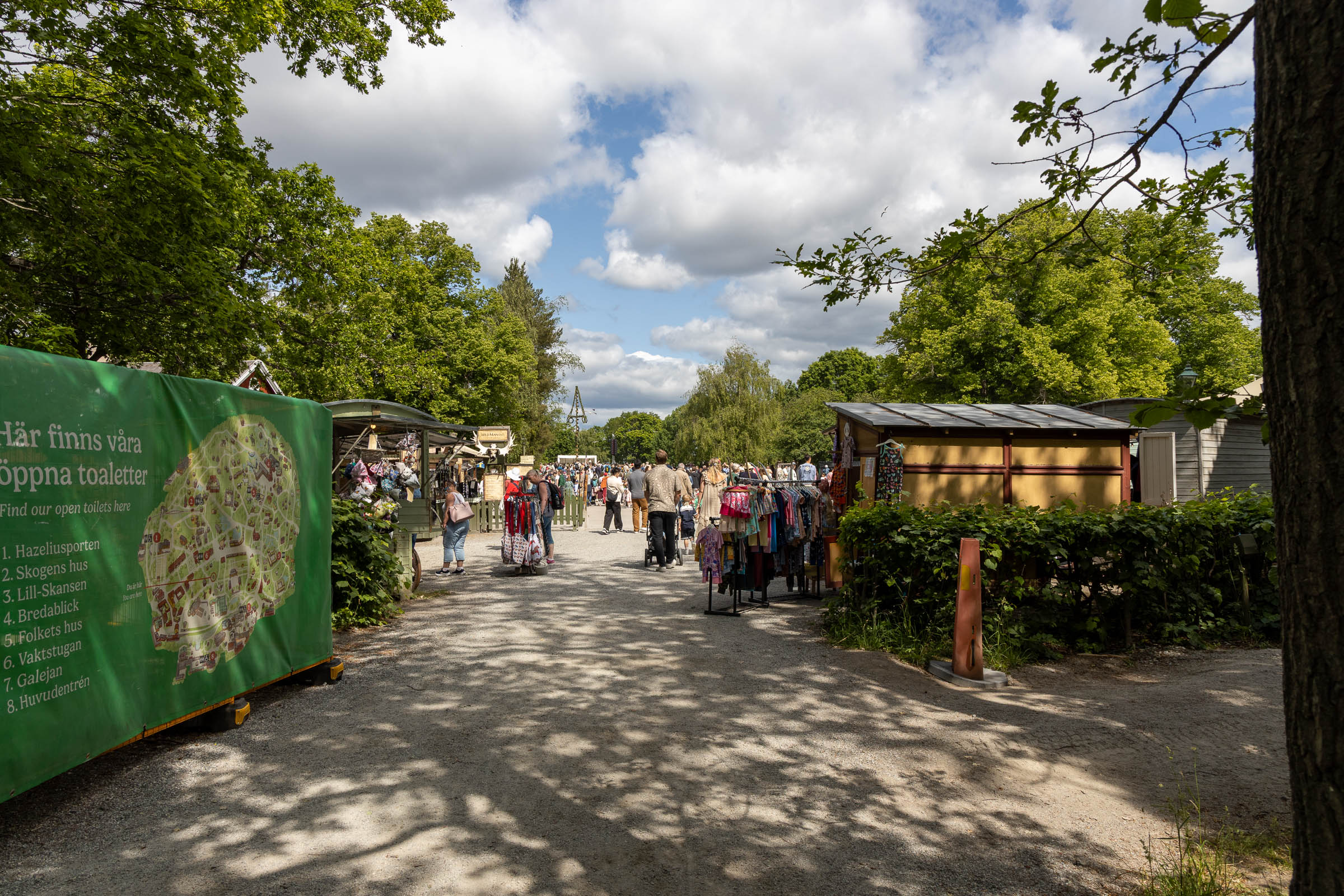
The site is well organised and well maintained, with clear maps, signs, cafés, toilets, and seasonal safety adjustments (such as cleared paths in winter).
Top things to do at Skansen
There is a lot to see and do, but you don’t need to do everything in one visit.
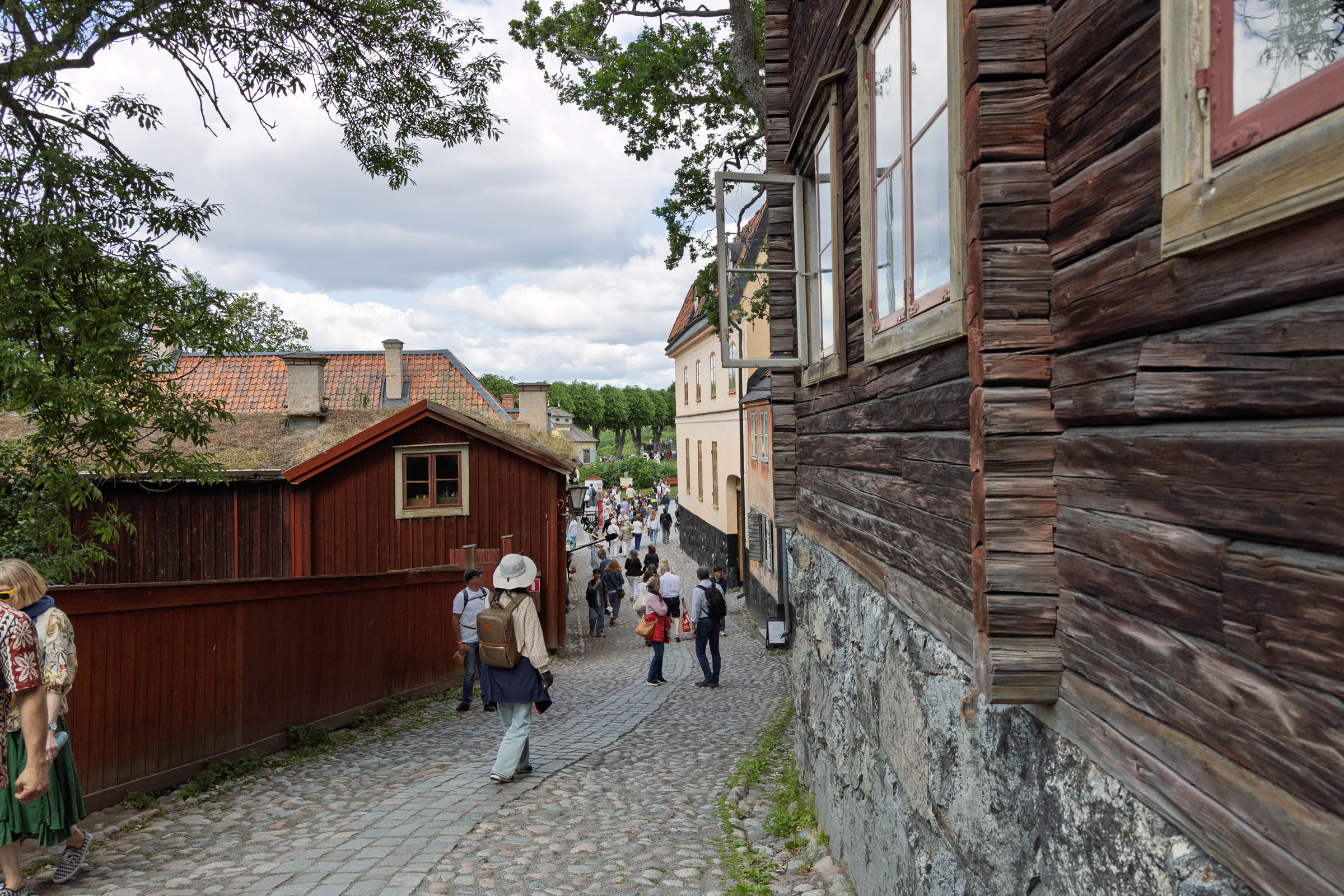
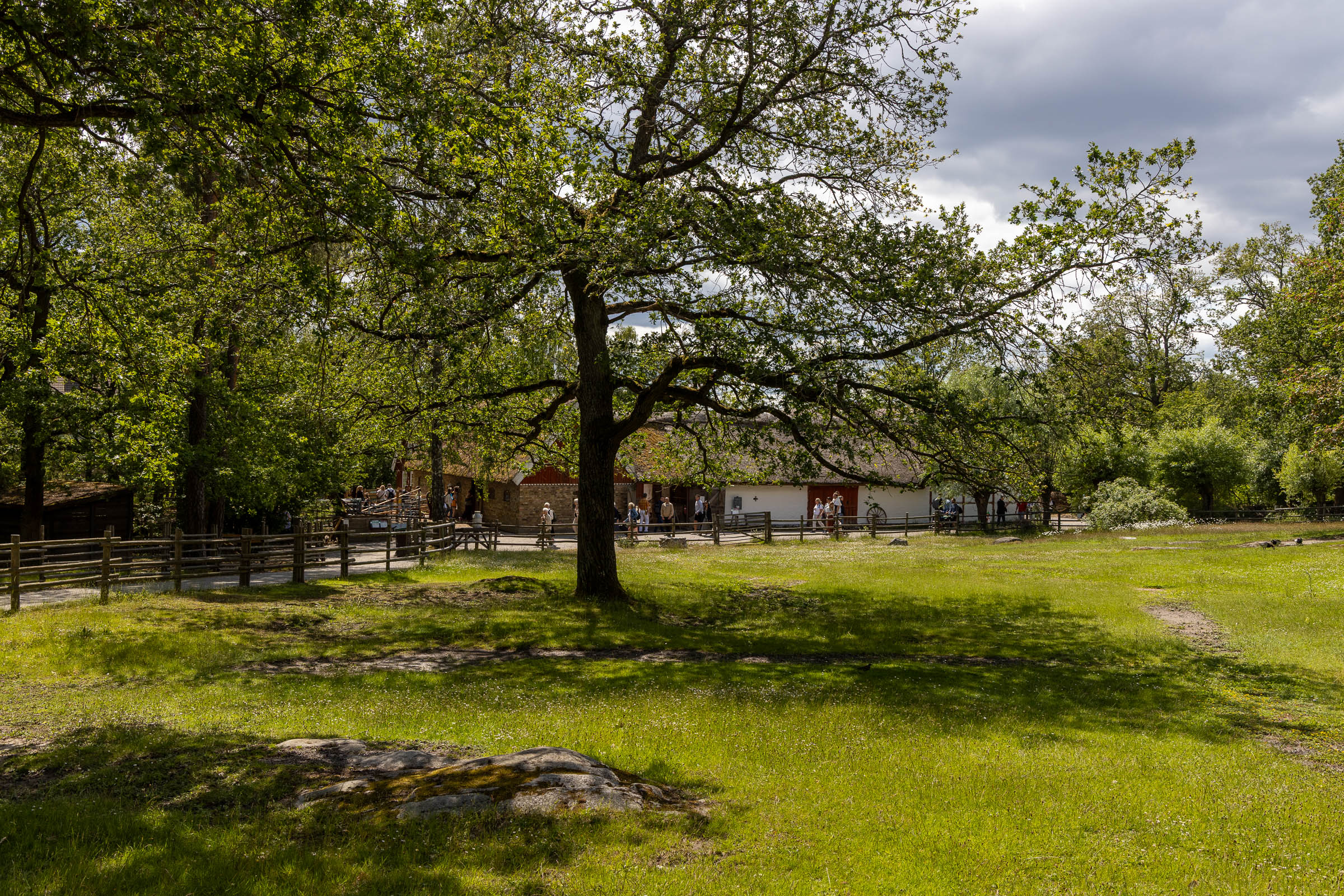
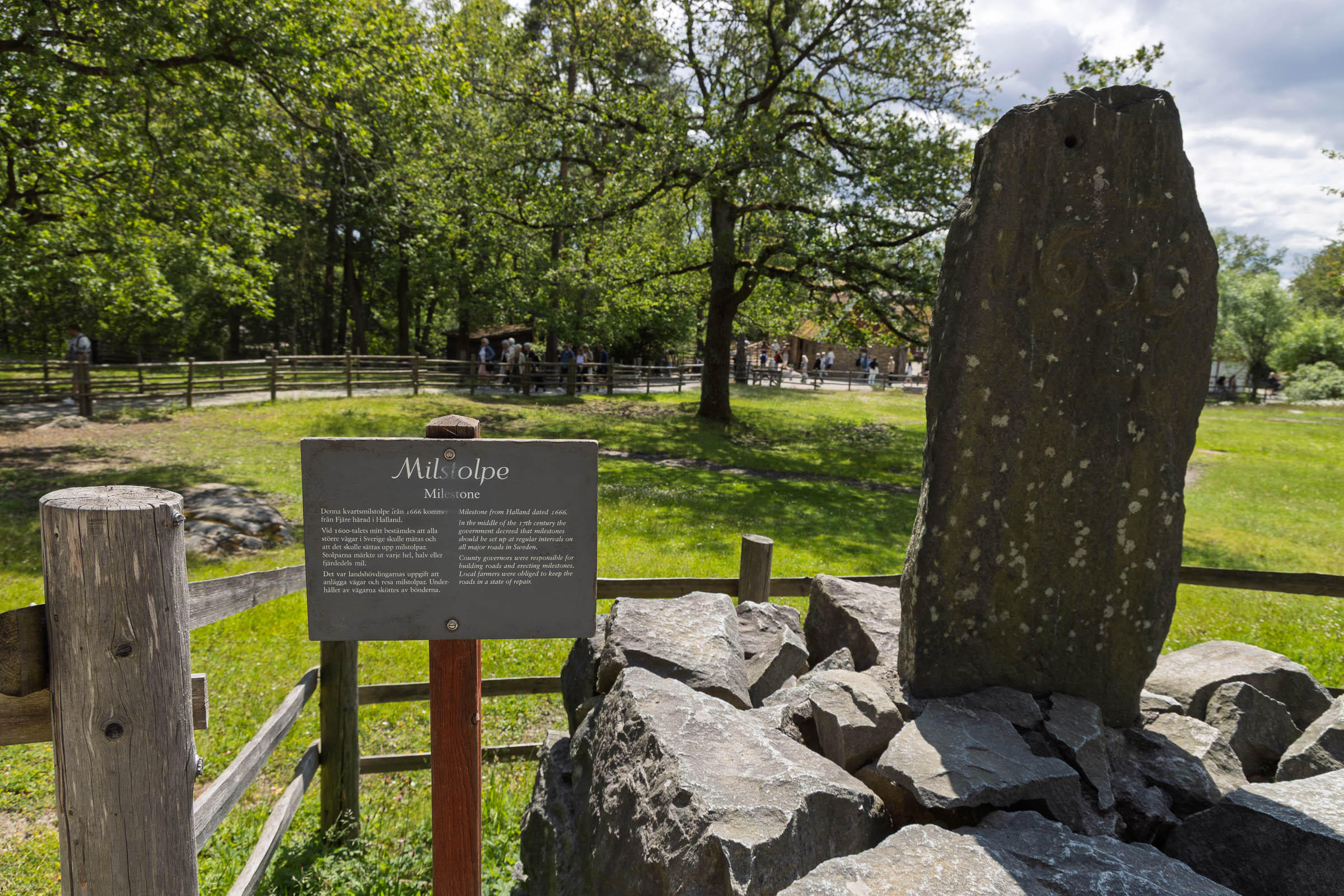
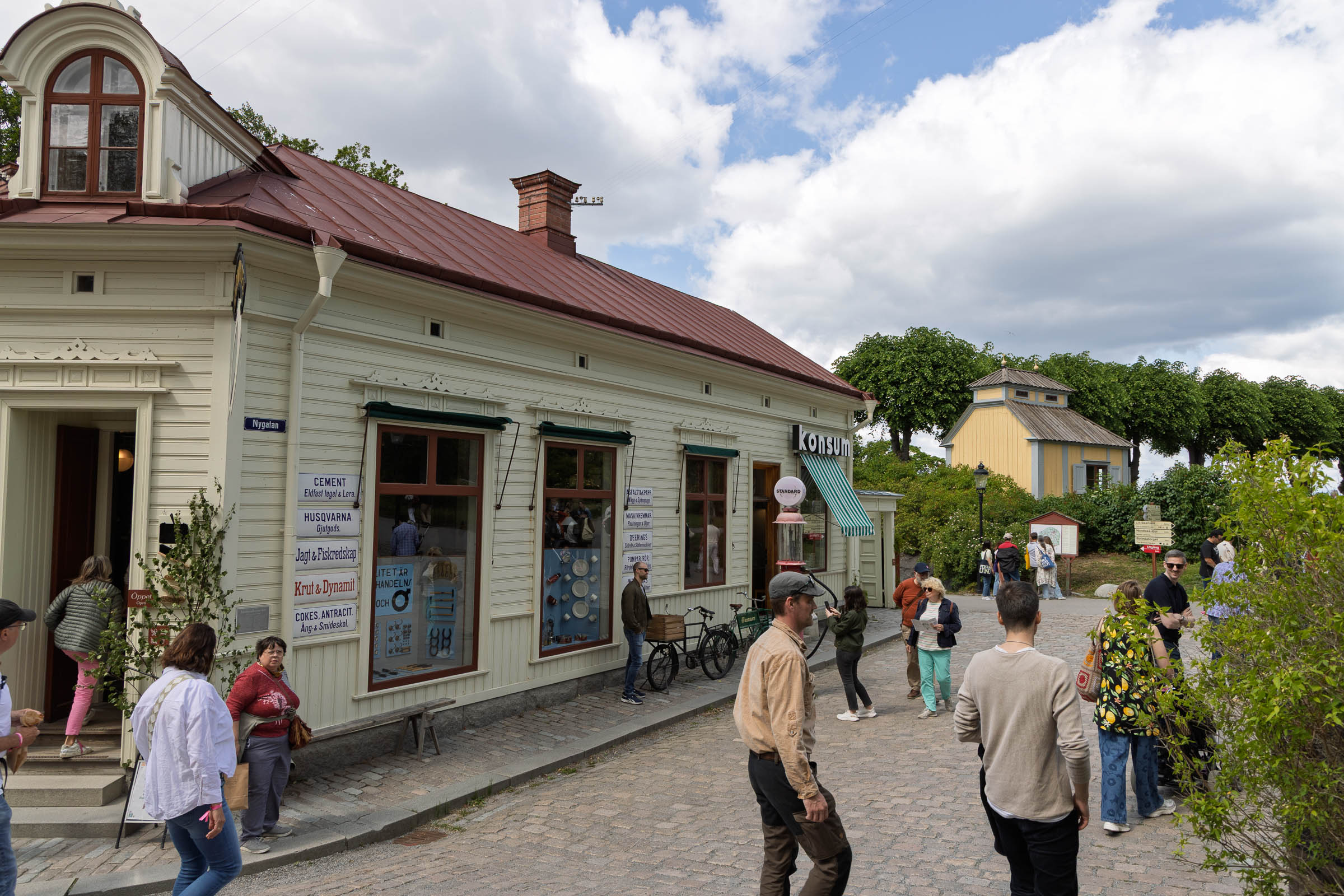
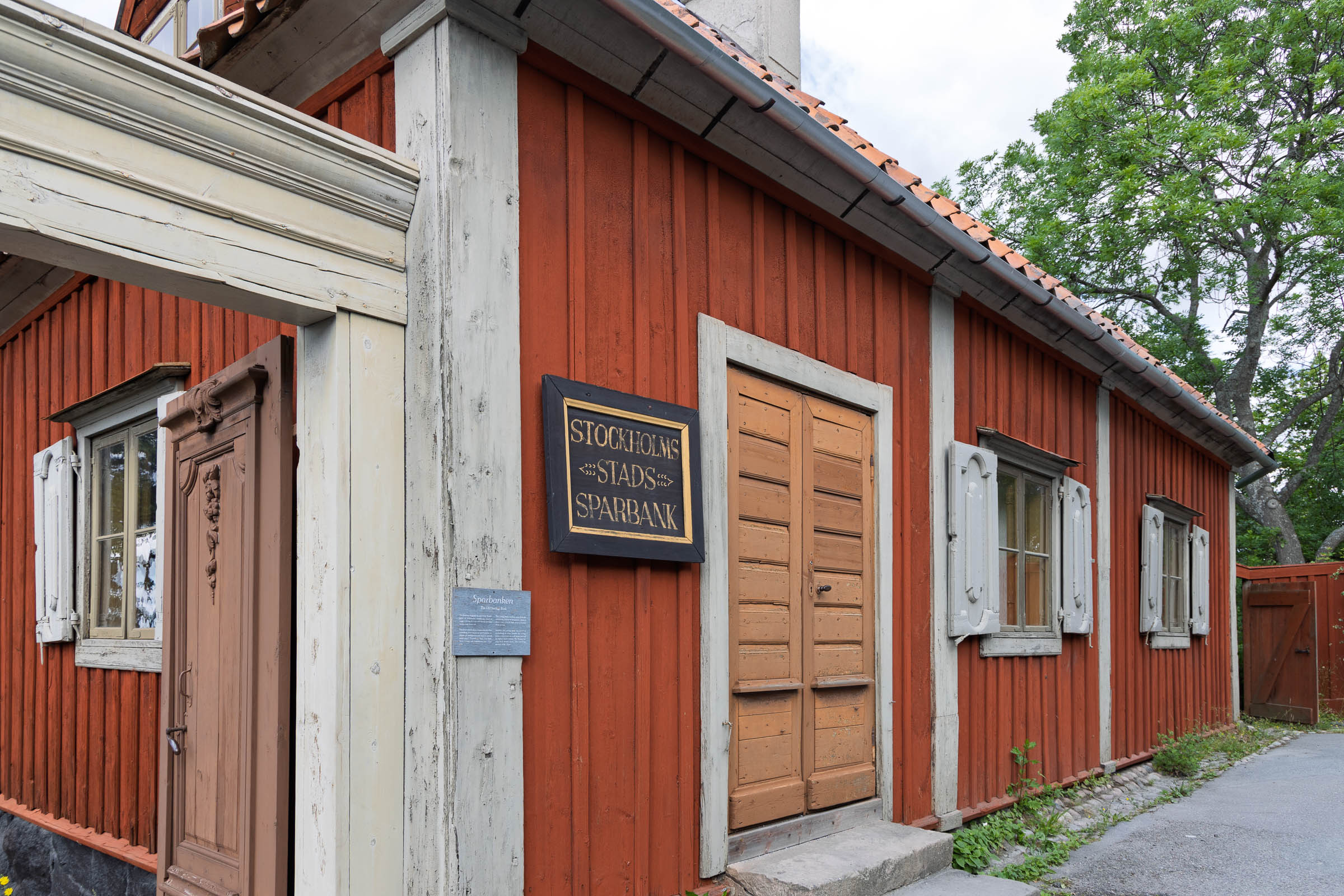
Many visitors start by walking through the historic town and farm areas, which form the heart of Skansen. Here you’ll find old houses, a church, workshops, gardens, and farmsteads that show how people lived in different parts of Sweden. In warmer months and during holidays, staff often demonstrate traditional crafts, cooking, or farm work.
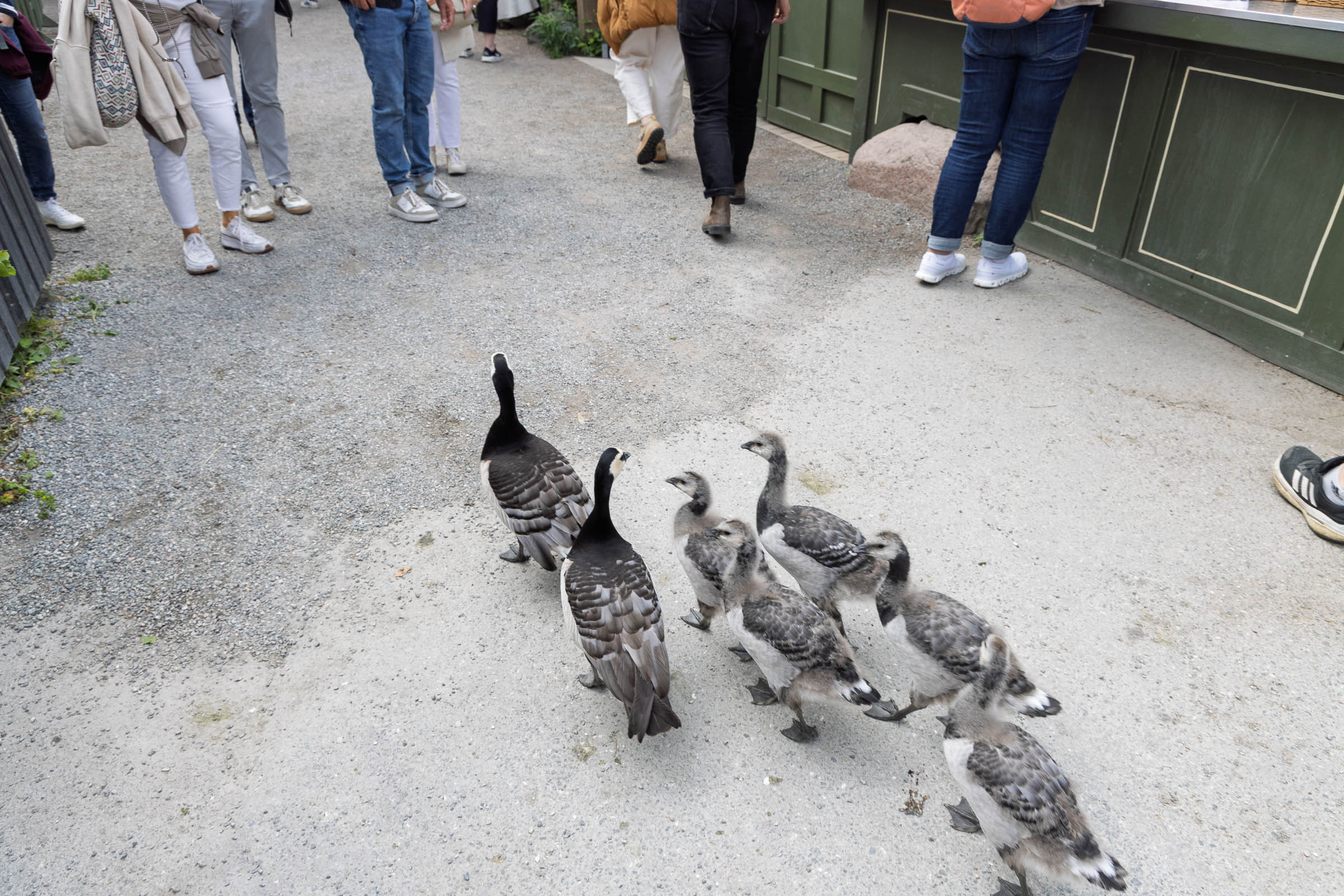
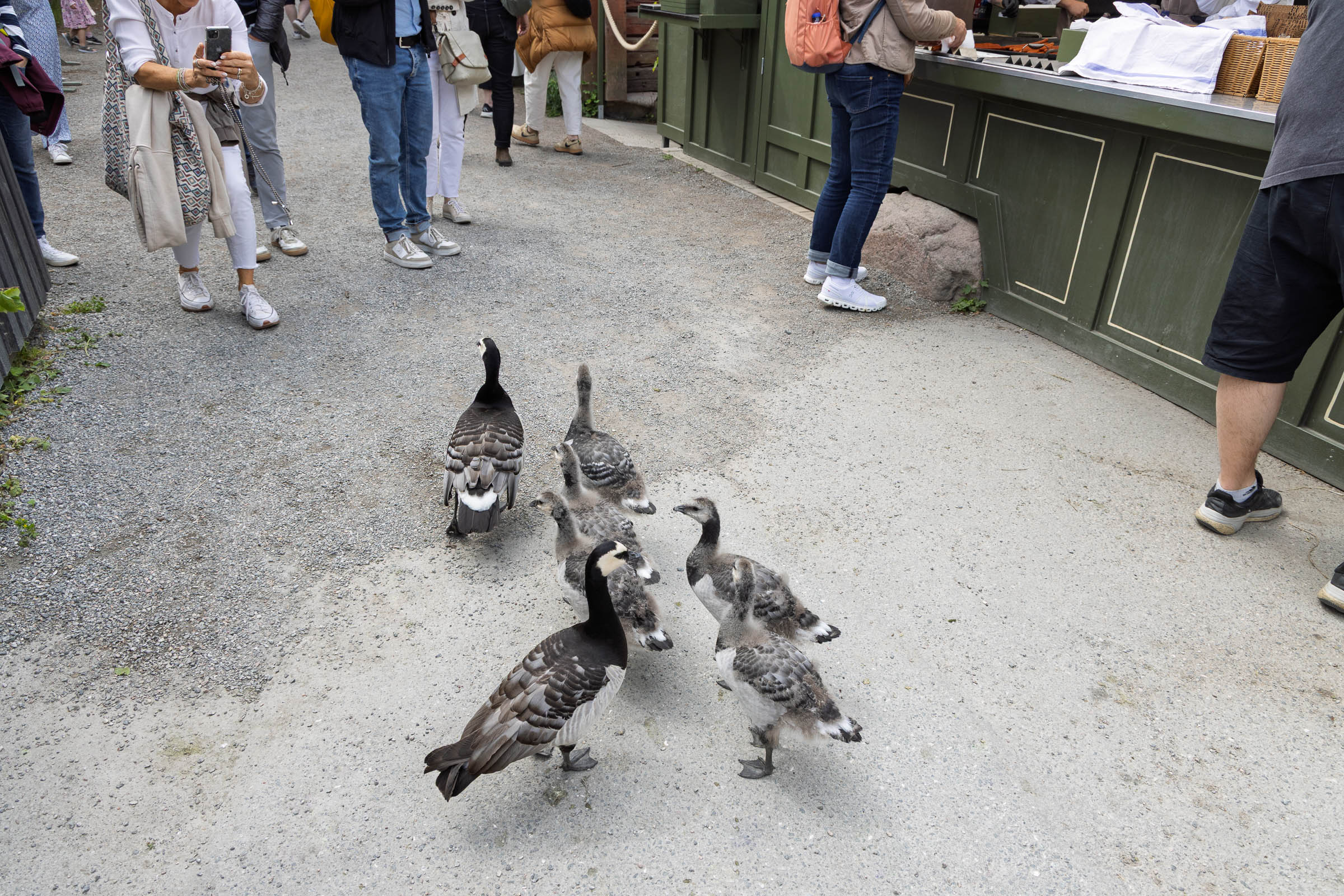
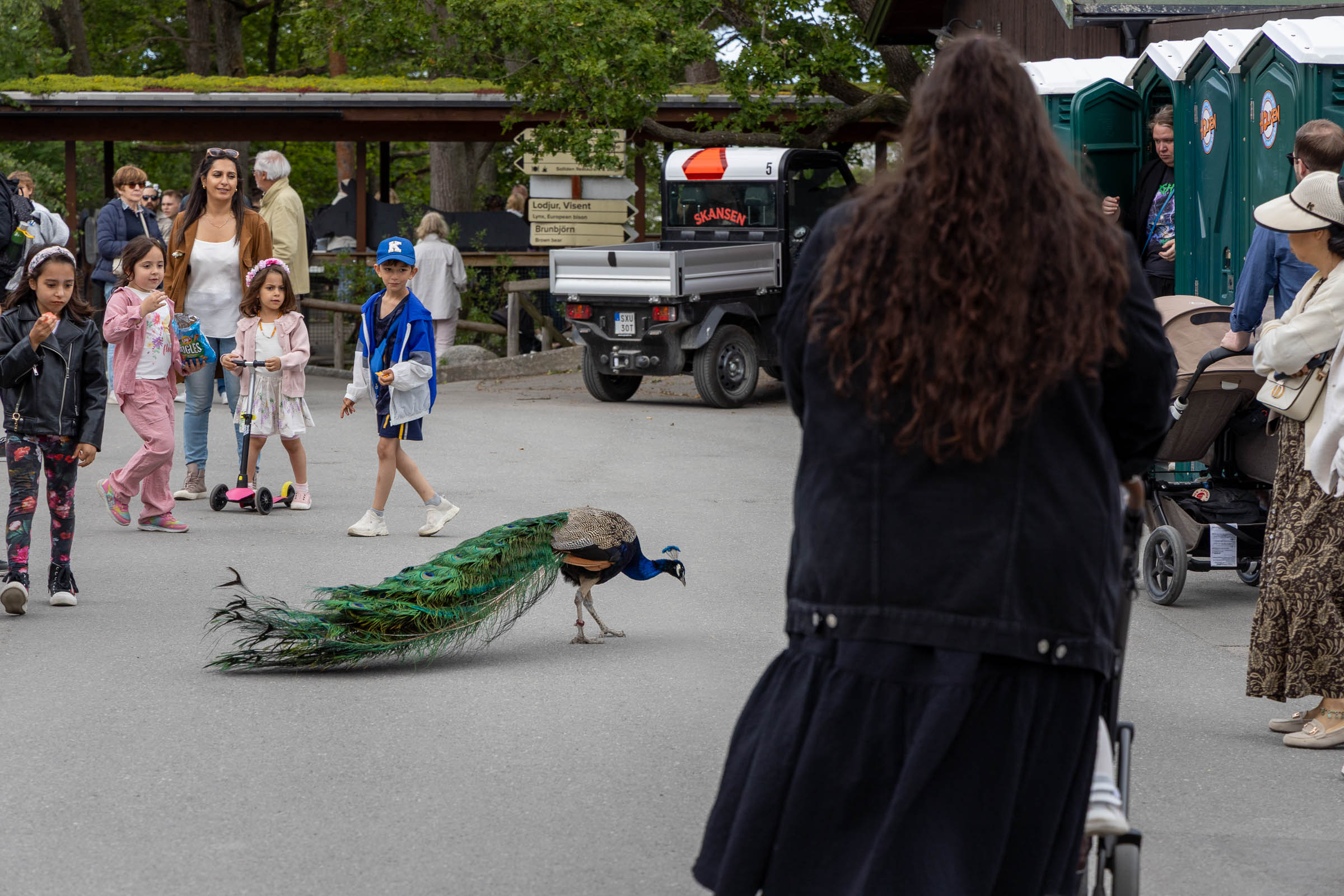
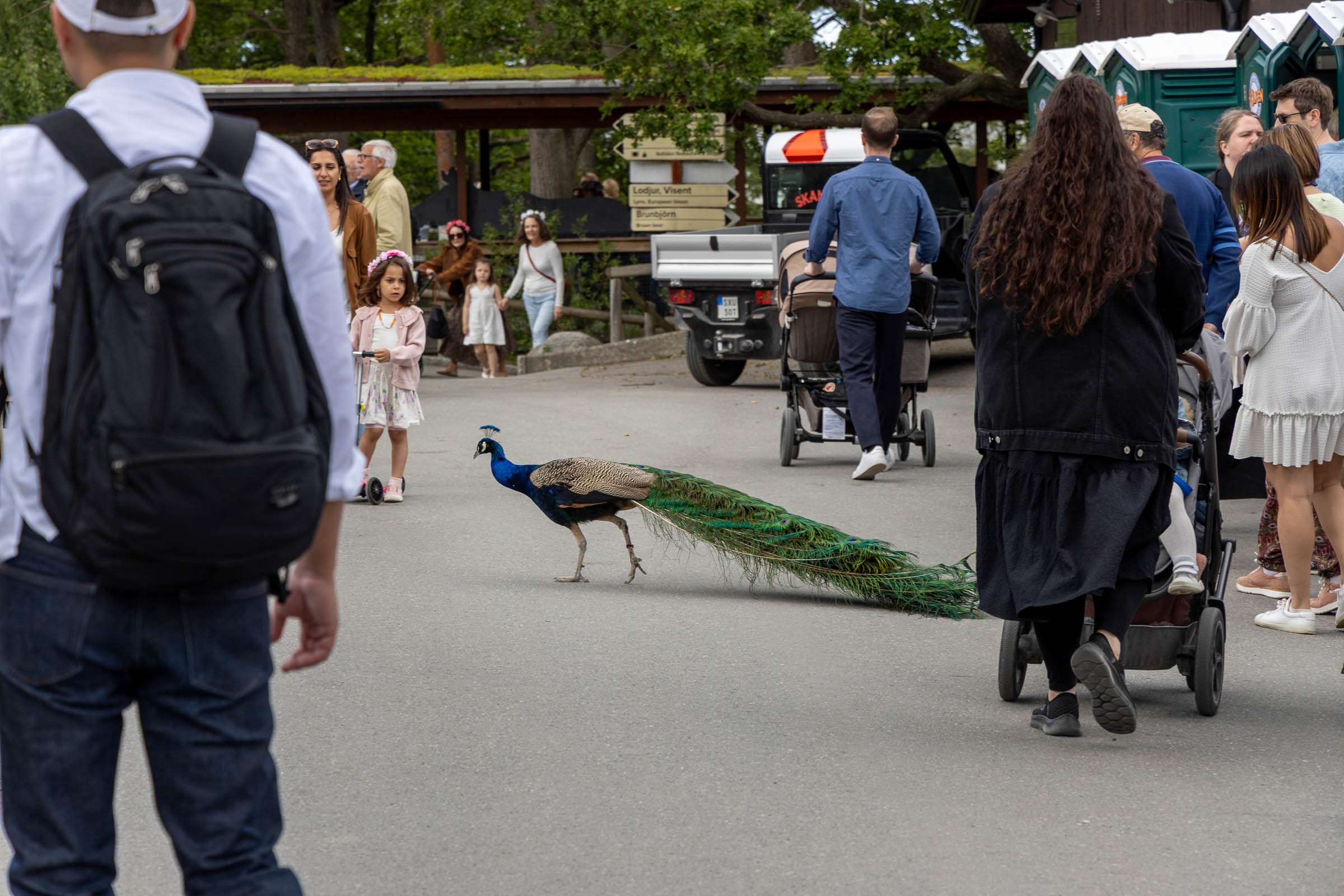
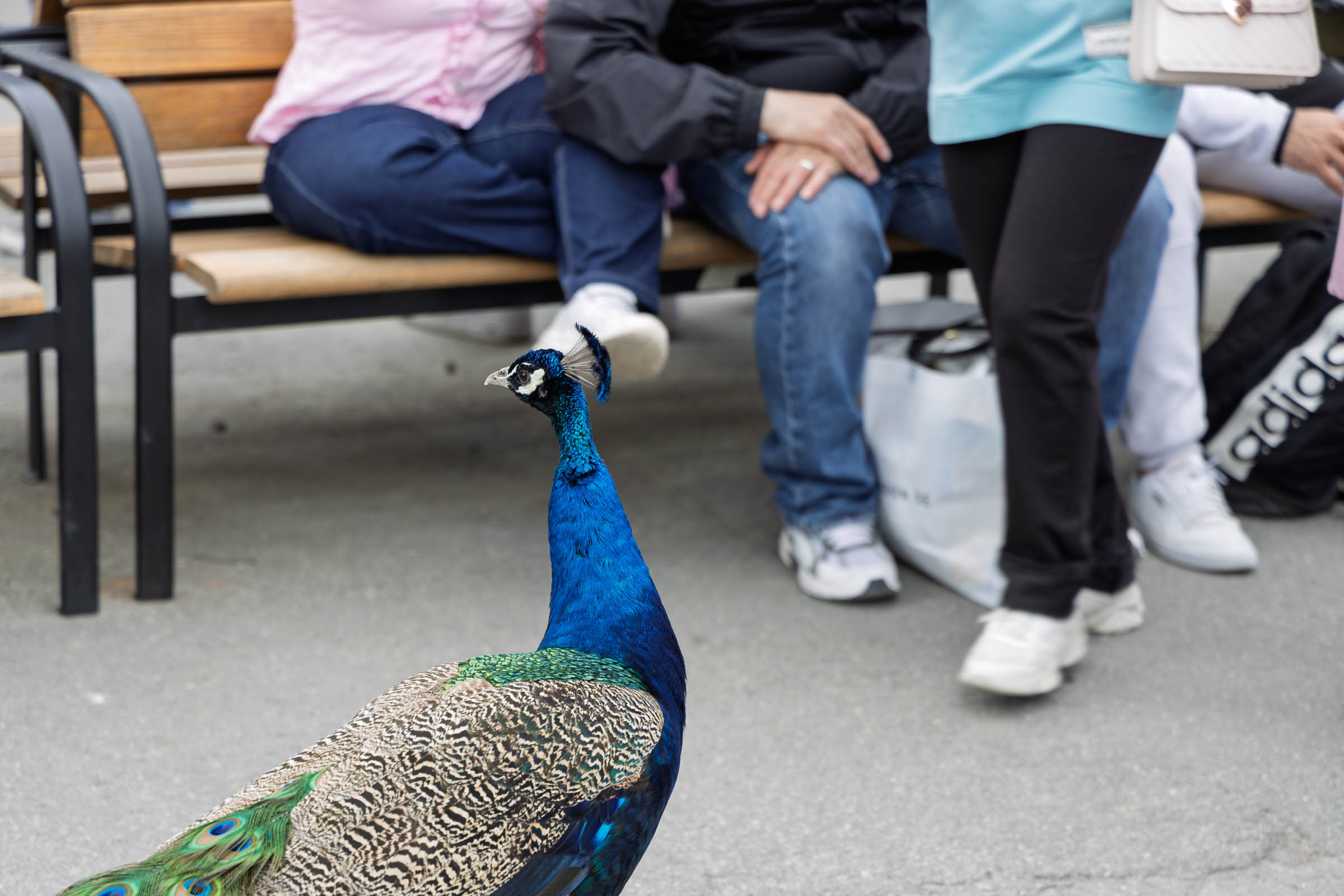
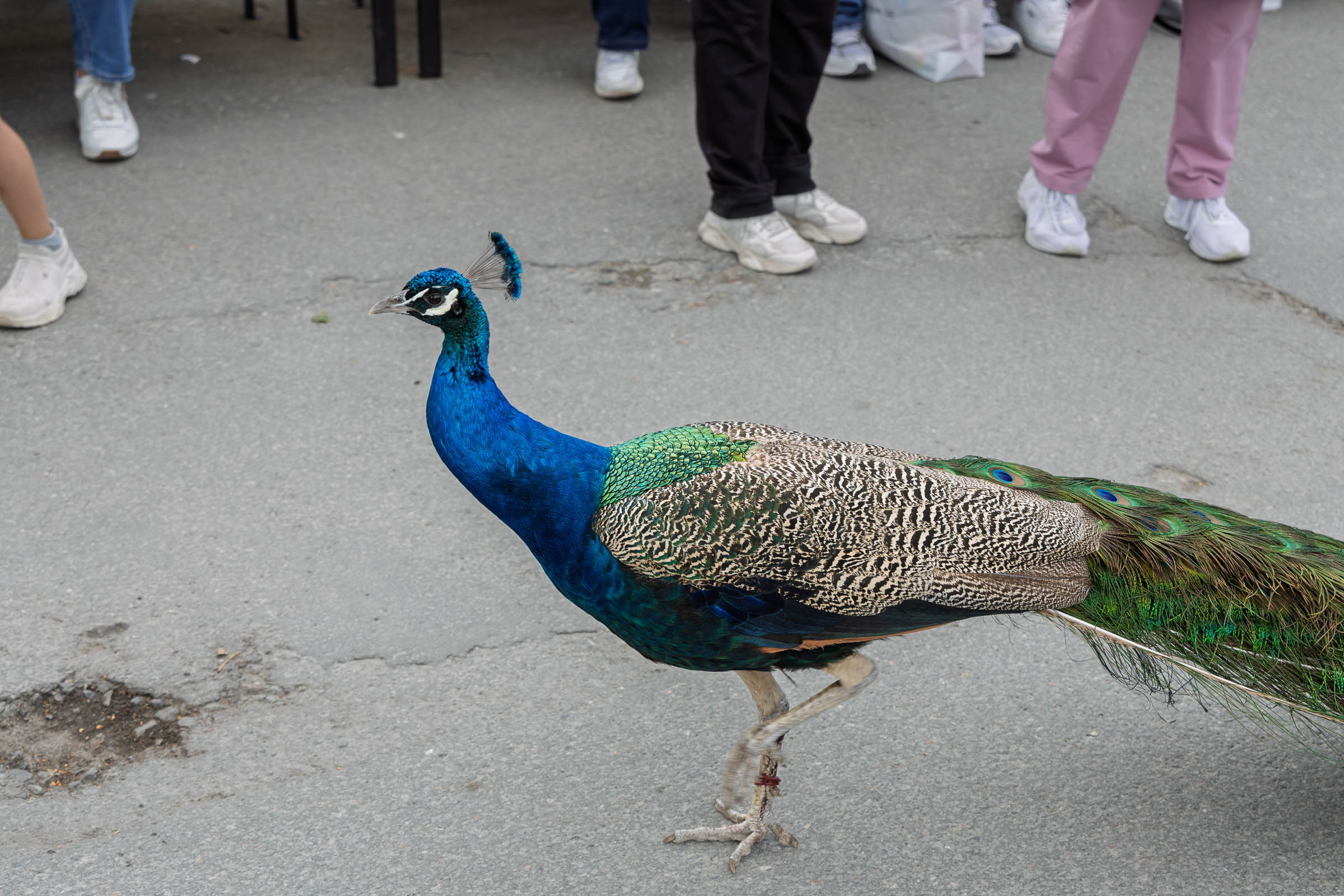
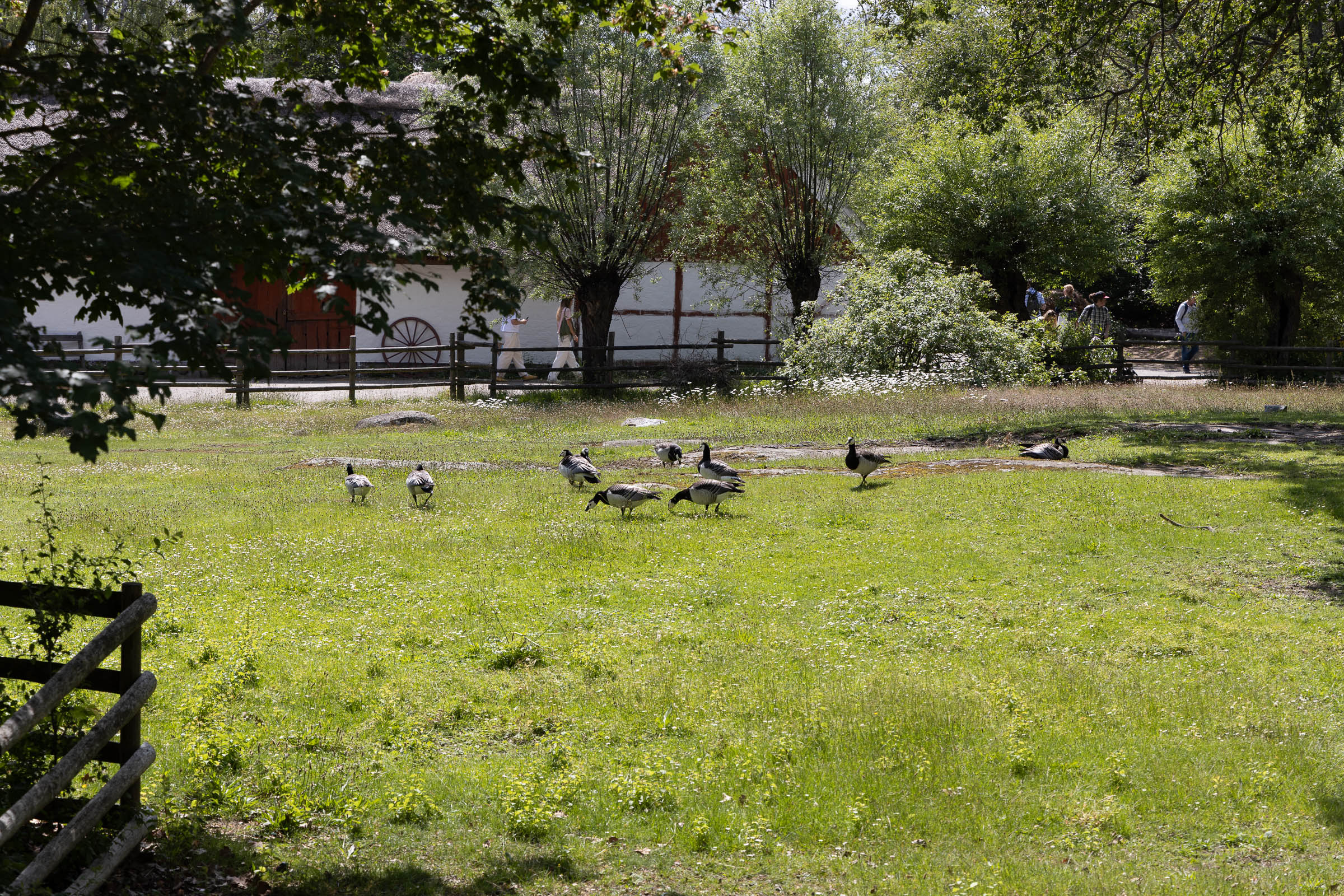
The animal areas are another major highlight. You can see large Nordic animals like moose and bears, as well as wolves, lynx, reindeer, seals, and smaller farm animals. How active the animals are depends on the season and time of day.
For an indoor break, the Baltic Sea Science Center is included in the ticket and explains the Baltic Sea through aquariums and interactive displays. It’s especially useful on rainy or cold days.
If you’re visiting with children, areas like Lilla Skansen and the farm animals are often favourites. If you’re visiting as an adult, you may enjoy spending more time in the historic buildings, watching folk dancing or listening to traditional music when events are on.
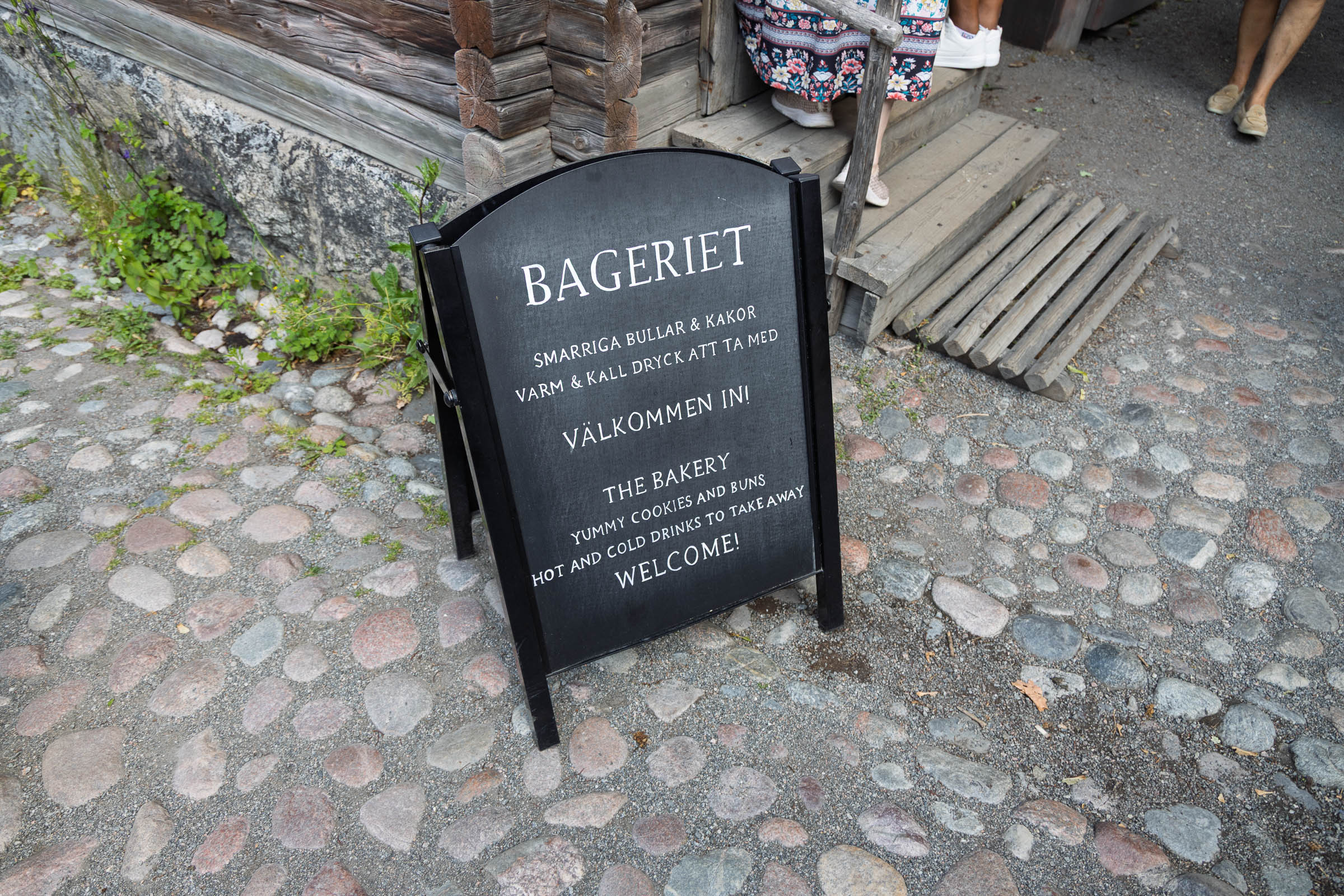
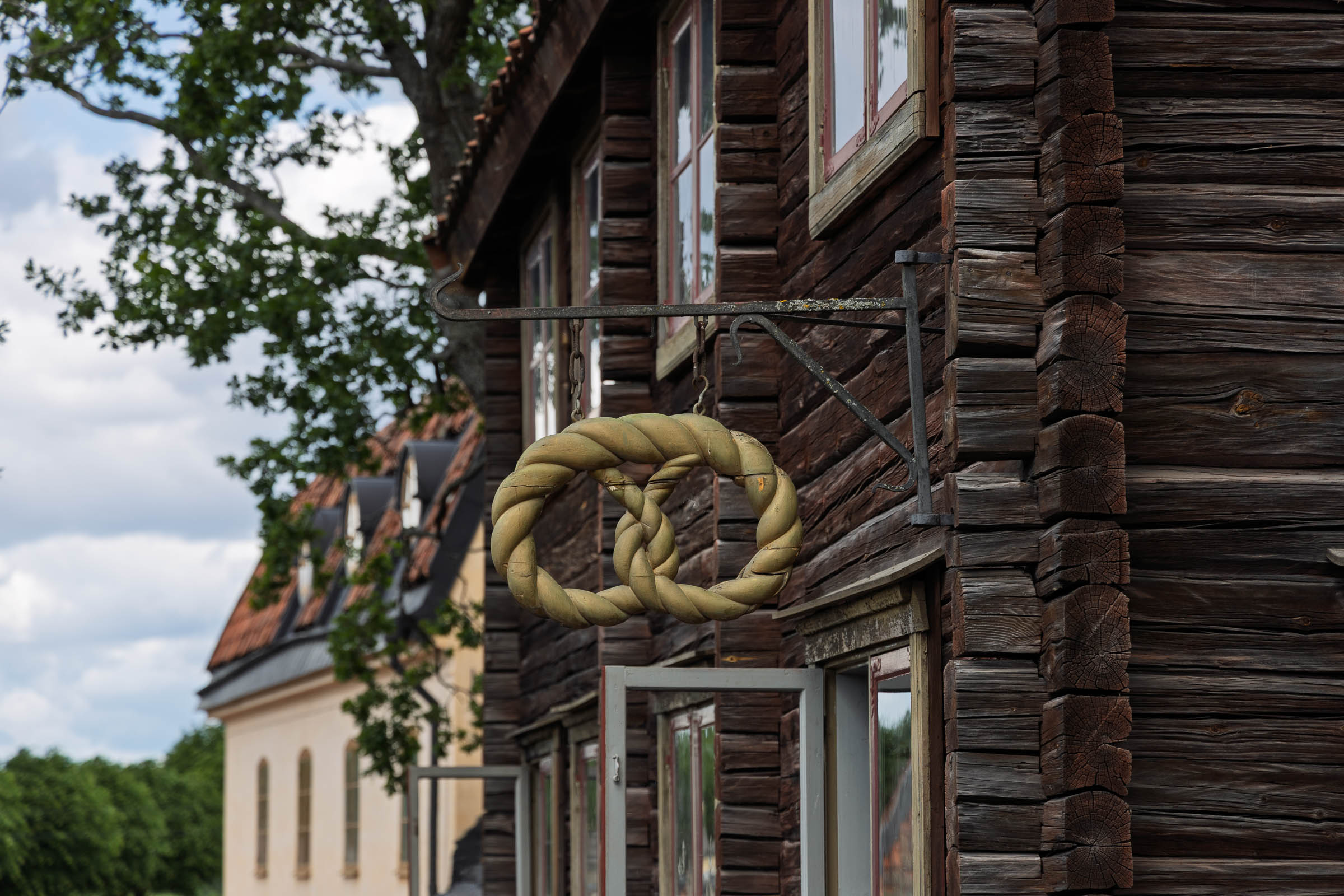
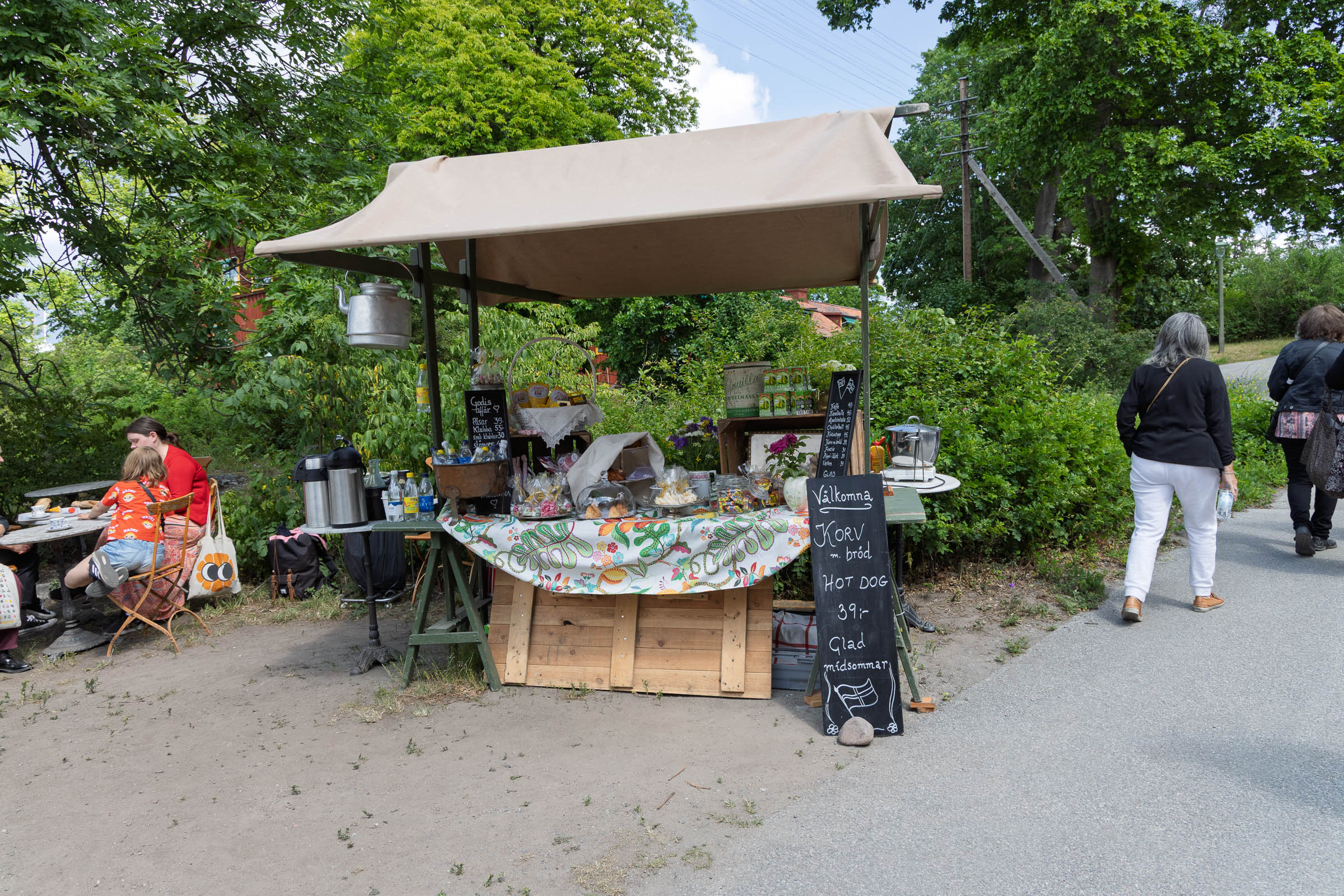
Food is easy to fit in along the way. There are cafés, bakeries, and restaurants inside Skansen, and many people also bring their own food and picnic when the weather is good.
When is the best time to visit?
Skansen is open all year, but the experience changes a lot with the season.
- Late spring to early autumn (May–September) offers greenery, long daylight, more open buildings, and the widest range of activities. This is also the busiest period.
- Winter is quieter and more atmospheric. The Christmas market (27 November–20 December) is a major highlight, with lights, music, and traditional food, but daylight hours are short.
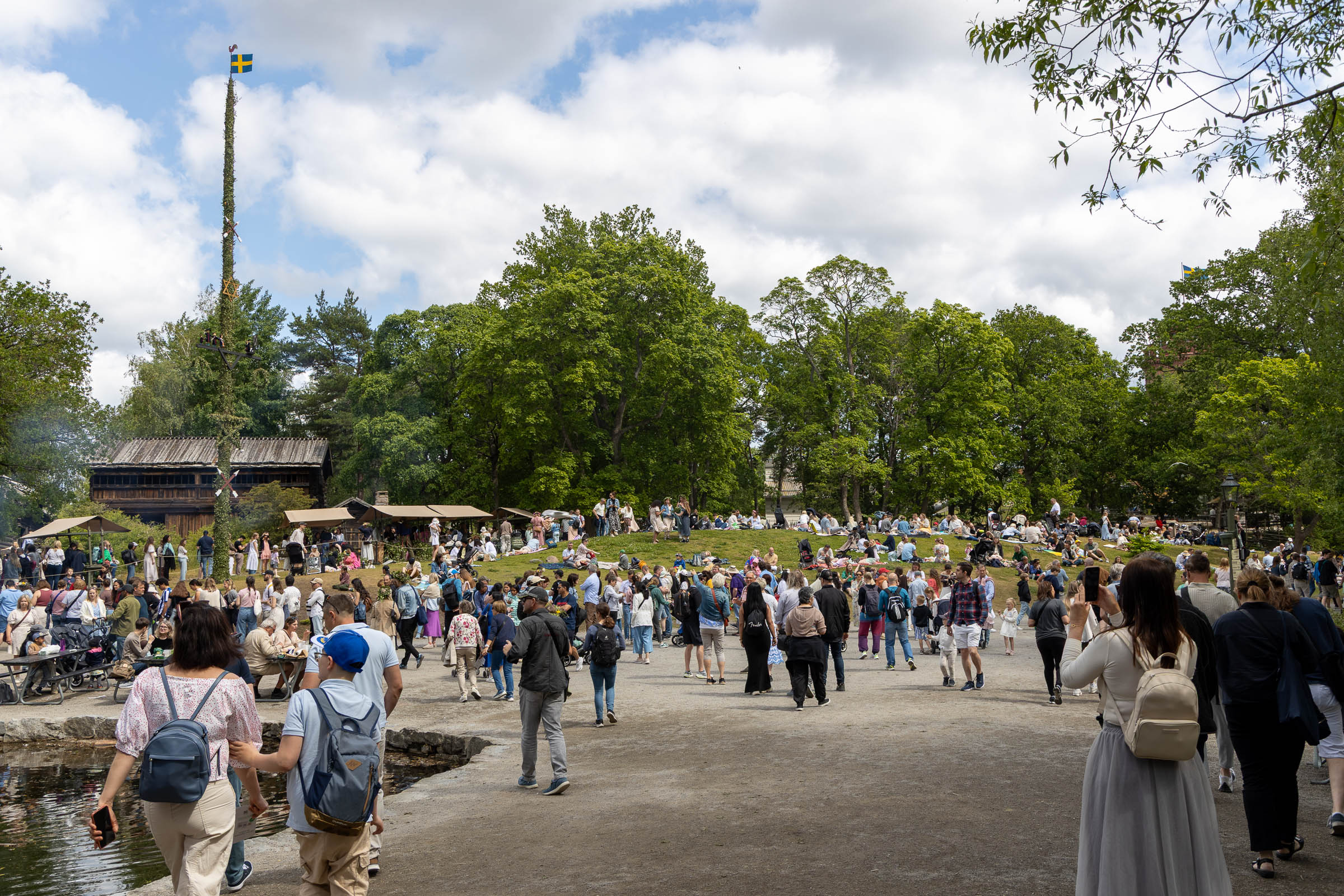
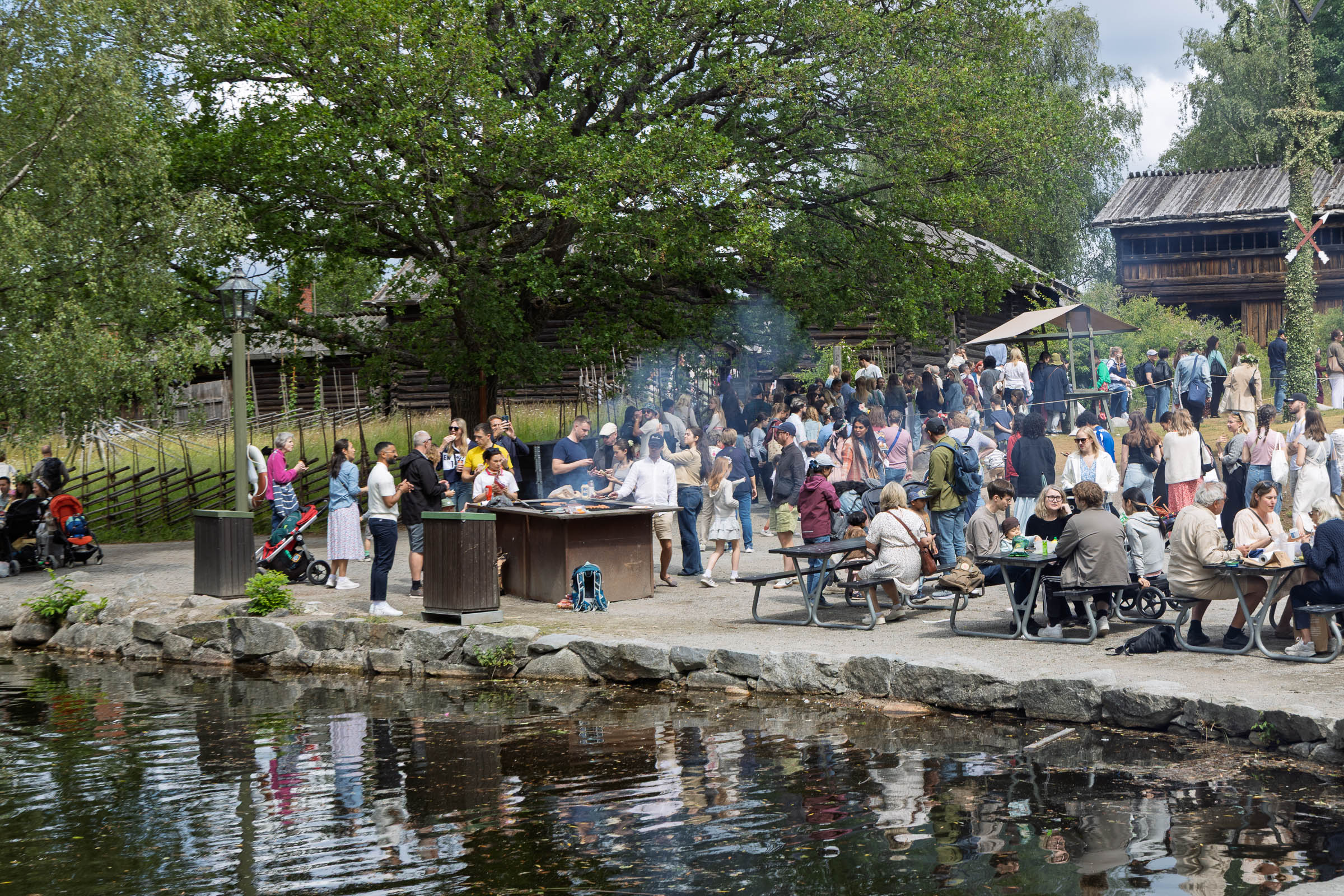
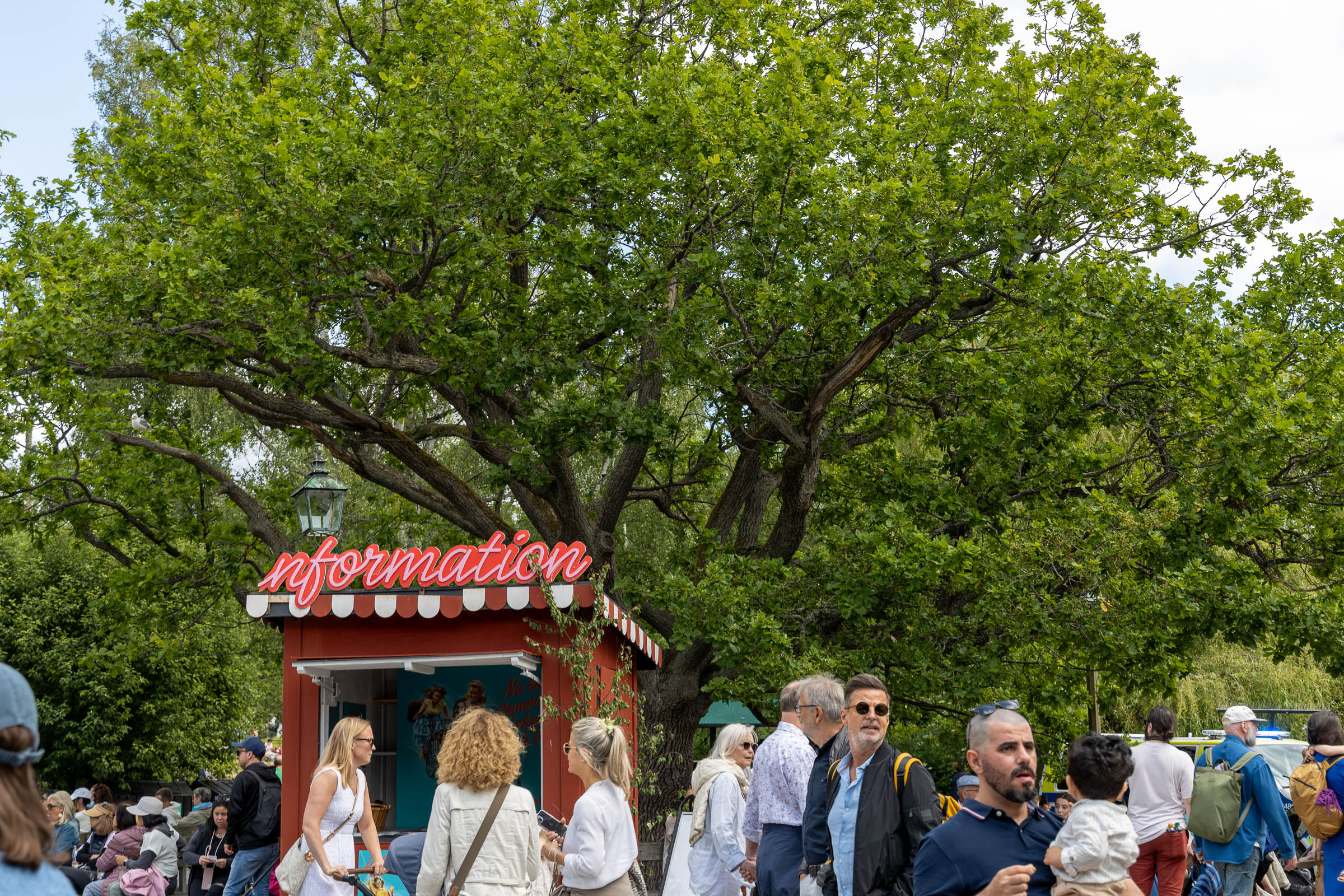
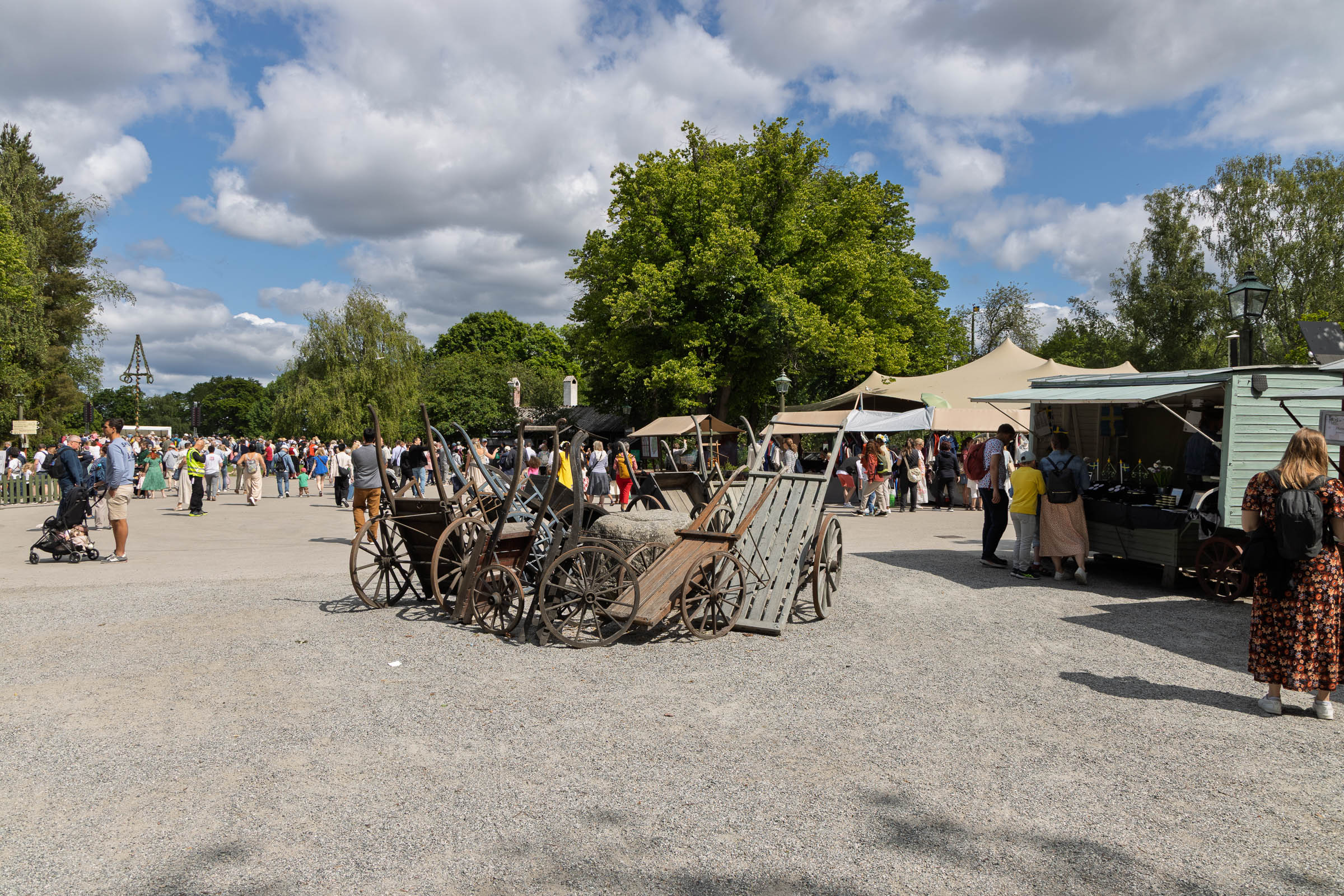
Crowds tend to gather around popular areas and events, but because Skansen is so large, it’s usually possible to find calmer paths. If you prefer fewer people, arriving at opening time or visiting on a weekday outside school holidays works best.
How much time should you plan?
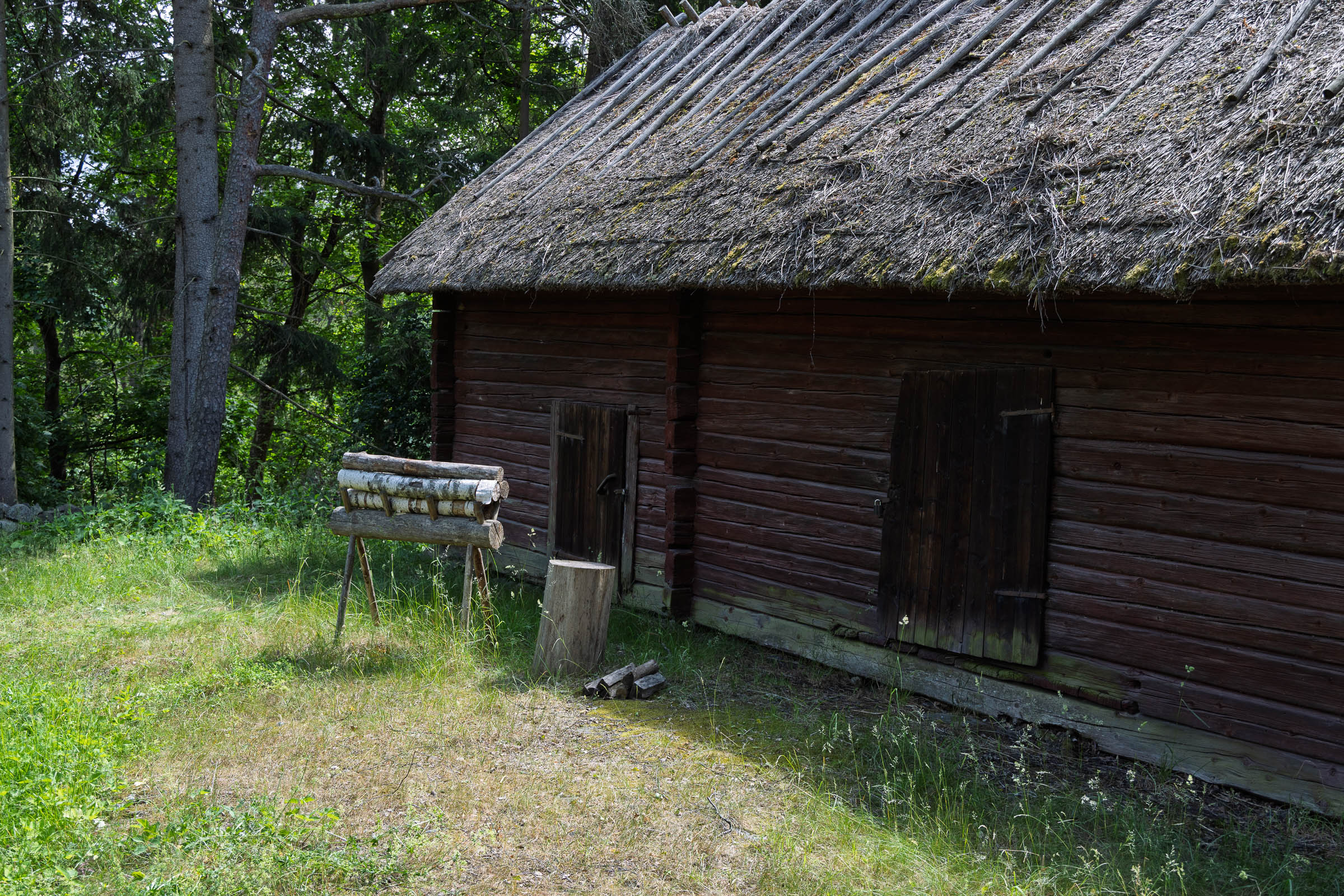
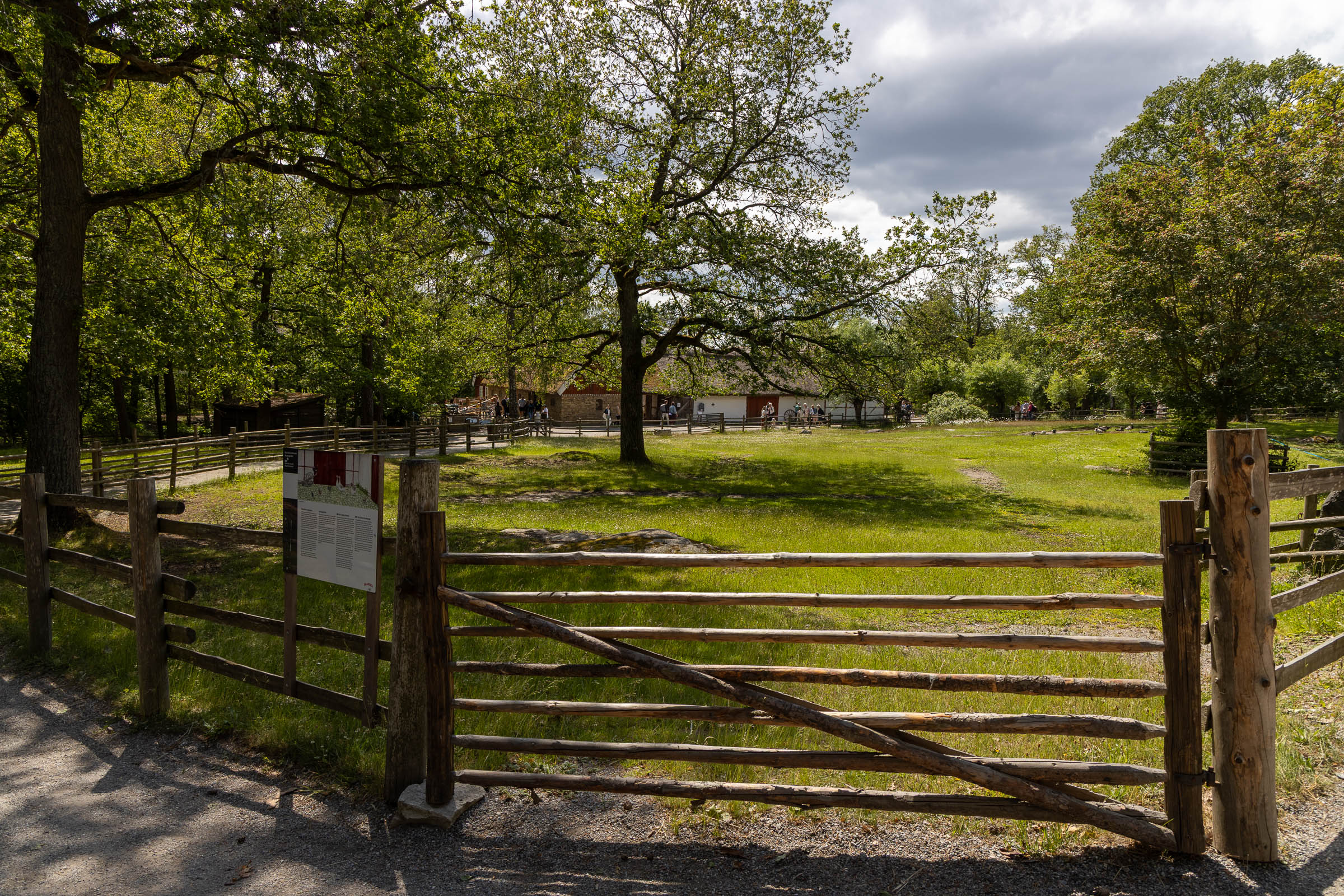
Skansen covers 75 acres on a hillside, with attractions spread across roughly 1.5 km (1 mile) of walking paths. Walking from the main entrance to the far end takes about 20-30 minutes, without stops.
- Around 2 hours: a short highlight loop with historic areas, key animals, and one indoor stop
- 3-4 hours: families with children, during events, or if you enjoy walking slowly and taking breaks
- 4-5 hours: a relaxed visit with animals, historic houses, a café break, and time to explore
The area is bigger and hillier than many people expect, so comfortable shoes and some energy help. Have a look at the official Skansen map to get a better overview of the whole area.
Good to know before you go
- Skansen is outdoors and can feel windy and cooler than central Stockholm – dress for the weather
- Paths include hills, cobblestones, and uneven surfaces; there are accessible routes, but they can be longer
- Toilets, cafés, and rest areas are spread across the park and well signposted
- You don’t need to see everything in one visit – Skansen is a place many people return to
Practical information
Opening hours: Skansen is open every day of the year. In autumn and winter it’s open 10 am to 3 pm on weekdays and 10 am to 4 pm at weekends, with longer hours in spring and summer (until 6 pm from 31 May to 29 August in 2027). Holiday exceptions are listed in the opening hours above.
Admission prices: Admission tickets can be bought online via their webpage or at the ticket desk on-site. The ticket prices will be the cheapest when buying online. In 2026 an adult ticket costs 240 SEK, or 325 SEK on event days such as Halloween and the Christmas market.
Getting there
Tram
- Take tram line 7 from T-Centralen towards Waldemarsudde.
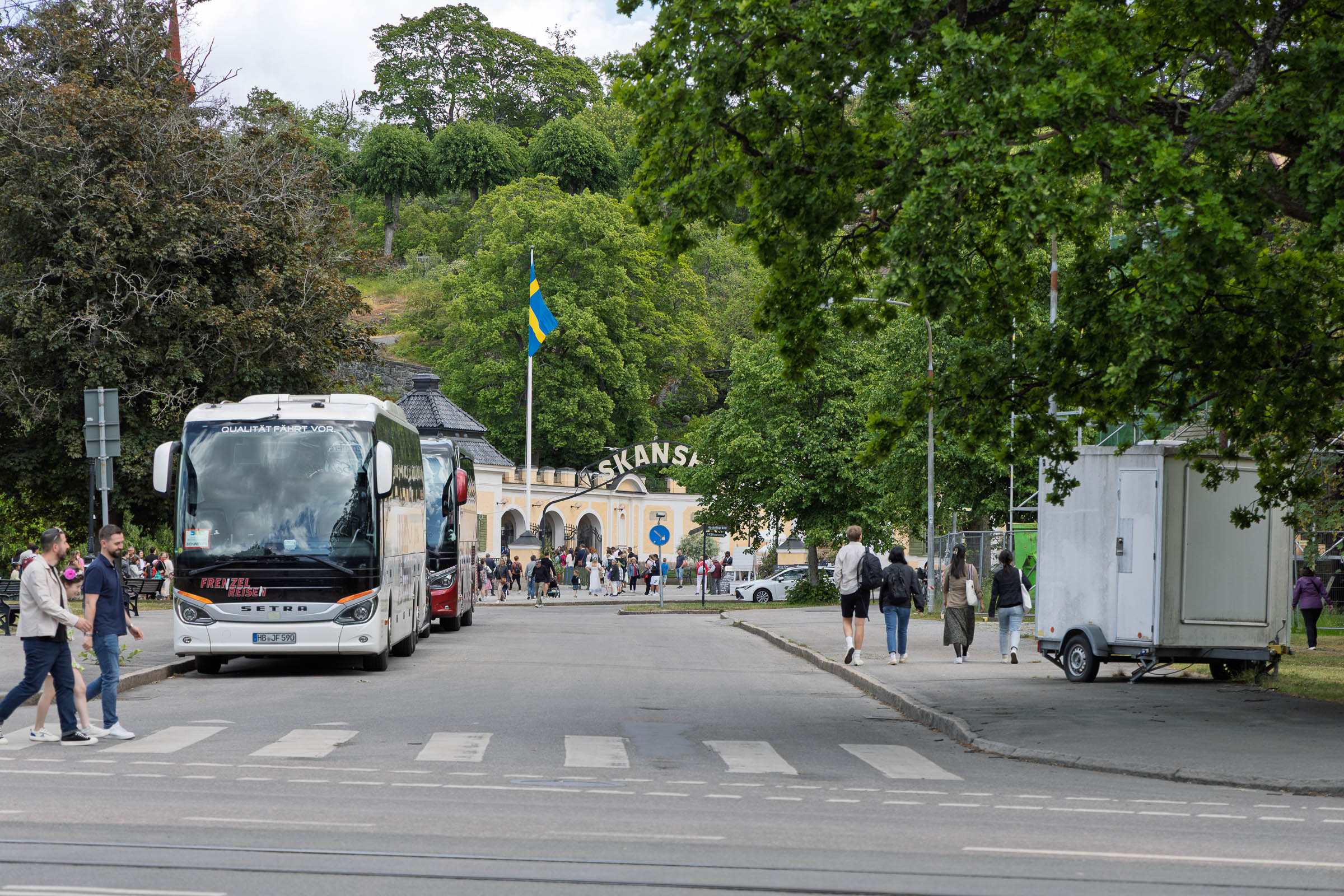
- Get off at the stop Skansen, which is located directly outside the main entrance.
- The tram ride takes about 15 minutes from T-Centralen.
Ferry (SL public transport boat)
- From Slussen, you can take SL ferry line 82 towards Djurgården.
- Get off at Allmänna gränd.
- The ferry ride takes approximately 8–10 minutes.
- From Allmänna gränd, it is about a 5–7 minute walk to Skansen’s main entrance.
Nearby places to combine with Skansen
Skansen is easy to combine with other Djurgården attractions, such as ABBA The Museum, Gröna Lund, or a longer walk along the waterfront paths of Djurgården.
Final thoughts
Skansen isn’t a quick stop between attractions. It’s a place where you slow down, walk, explore, and let the experience unfold over a few hours.
If you’re curious about Swedish culture, traditions, and nature – or if you’re traveling with children – Skansen often becomes one of the most memorable parts of a Stockholm visit. It brings together history, wildlife, and seasonal celebrations in a way that feels accessible and easy to enjoy.
If your main focus is art museums or the medieval streets of Gamla Stan, you might prefer to prioritise those first. But if you’d like to experience Sweden beyond the city centre – in a setting that locals themselves return to throughout the year – Skansen is a rewarding choice.
If you’re already planning a day on Djurgården, combining Skansen with a nearby museum or simply allowing time for a relaxed outdoor visit can make for a varied and enjoyable day.
Frequently asked questions
Skansen is the world’s first open-air museum, founded in 1891, and it draws over a million visitors each year. You can walk through historic Swedish houses and farms, see Nordic animals such as moose, bears, wolves and seals, and experience traditional celebrations in one place.
Skansen is open every day of the year. In autumn and winter it’s open 10 am to 3 pm on weekdays and 10 am to 4 pm at weekends, with longer hours in spring and summer. Opening hours vary during specific holidays.
In 2026 an adult ticket costs 240 SEK, or 325 SEK on event days such as Halloween and the Christmas market. Children aged 0–15 go free. You can buy tickets online or on-site, and they are cheapest online.
Plan around 2 hours for a short highlight loop, or 4–5 hours for a relaxed visit with animals, historic houses and a café break. Skansen covers 75 acres on a hillside, and walking from the main entrance to the far end takes about 20–30 minutes without stops.
Late spring to early autumn (May–September) offers greenery, long daylight, more open buildings and the widest range of activities, but it is also the busiest period. Winter is quieter, and the Christmas market from late November to December is a major highlight.
Take tram line 7 from T-Centralen towards Waldemarsudde and get off at Skansen, directly outside the main entrance; the ride takes about 15 minutes. You can also take SL ferry line 82 from Slussen to Allmänna gränd and walk 5–7 minutes.