If you only have time for one museum in Stockholm, make it the Vasa Museum, where a 17th-century warship stands salvaged almost whole in a purpose-built hall. If you have a weekend, the ten below will fill it.
These are the ten museums we send people to, from the salvaged warship on Djurgården to the photography shows on Södermalm by the waterfront overlooking Djurgården island.
Vasa Museum
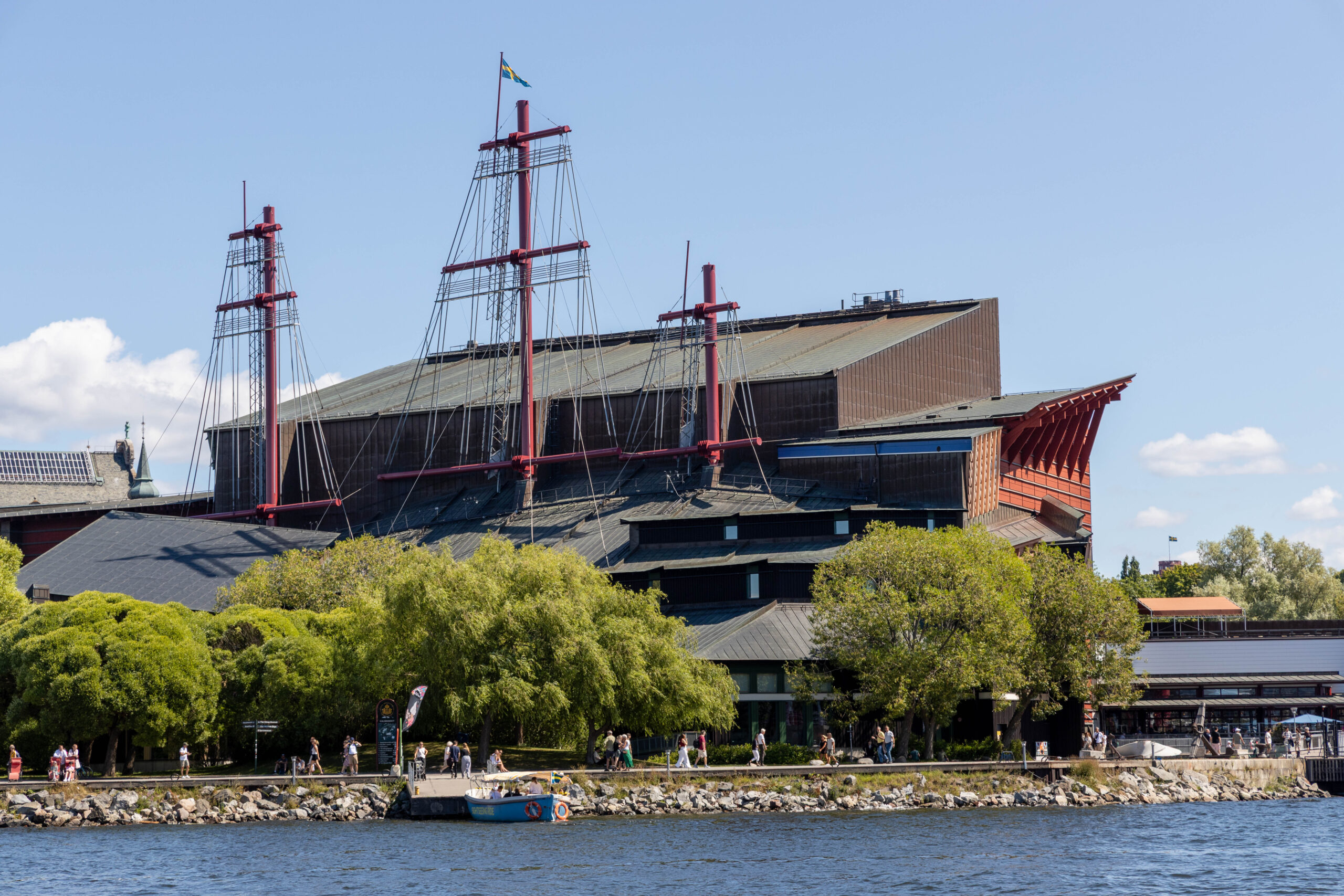
You should definitely plan a visit to the Vasa Museum at least once. The museum is dedicated to the 17th century warship Vasa that sank on its maiden voyage in 1628 and was salvaged from the depths of Stockholm Harbor in the 20th century.
The museum offers a unique experience, allowing you to see the actual shipwreck, walk on the ship deck, and explore a collection of items recovered from the ship.
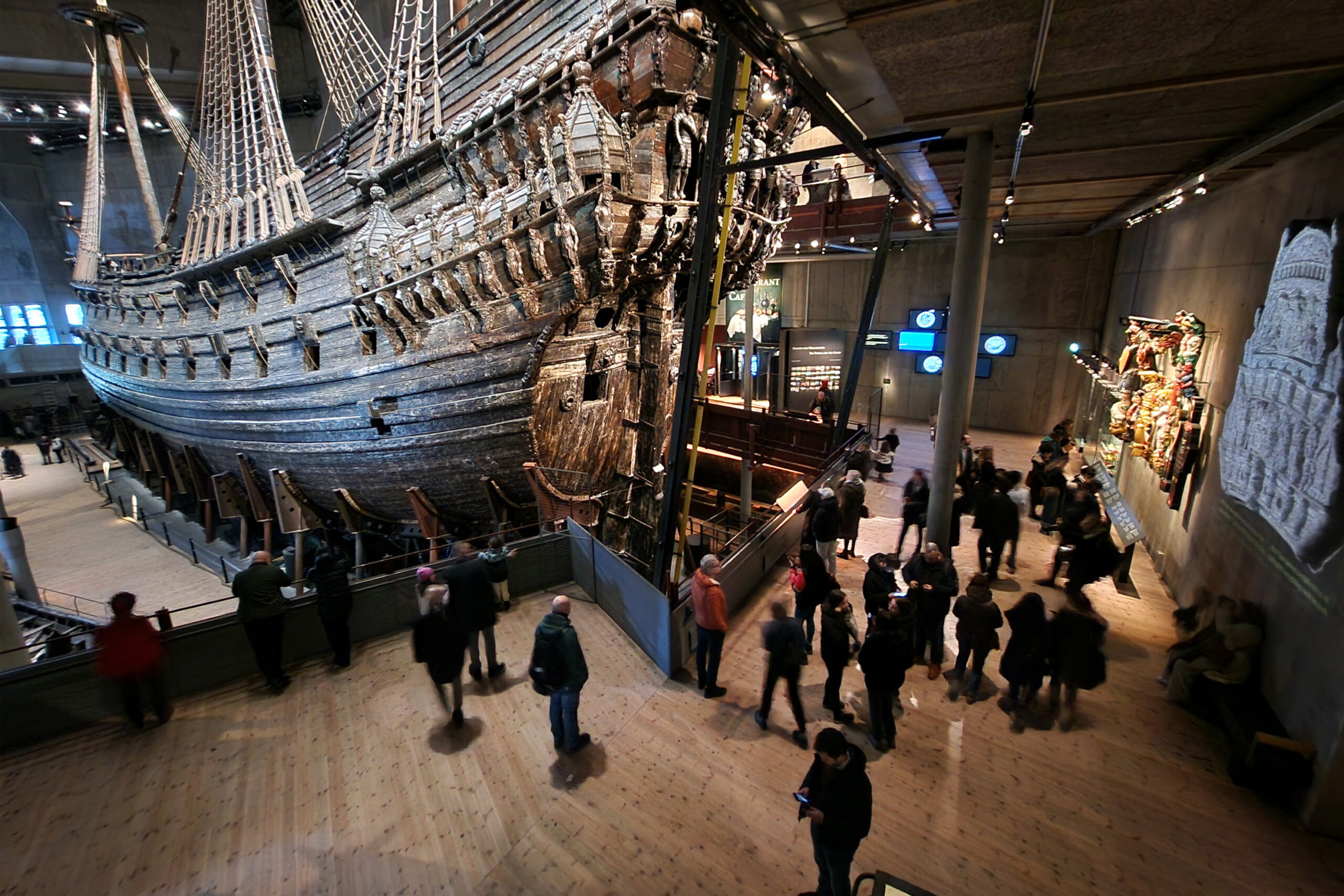
The detailed exhibits and the preserved ship provide a fascinating insight into maritime history and the craftsmanship of the 17th century, making it a must-visit whether you’re a history enthusiast or a casual visitor.
Don’t miss: The stern carvings from the upper galleries, where you stand level with the decoration.
Worth it if: You only have time for one museum and are interested in history.
Skansen

The open air museum Skansen operates all year round and is a great place to experience Sweden’s nature, cultural heritage and see some of its wild animals. It’s the world’s first open-air museum, showcasing historic buildings from different regions of Sweden, featuring traditional craftspeople, and offering exhibits on Swedish cultural heritage. It also includes a zoo, providing fun for both adults and children.
Don’t miss: The Nordic animals in the upper park, and the town quarter where the bakery and glassblower are working.
Worth it if: You want to be outside. In winter it closes at 15:00, many buildings are shut, so can be less rewarding.
Nationalmuseum
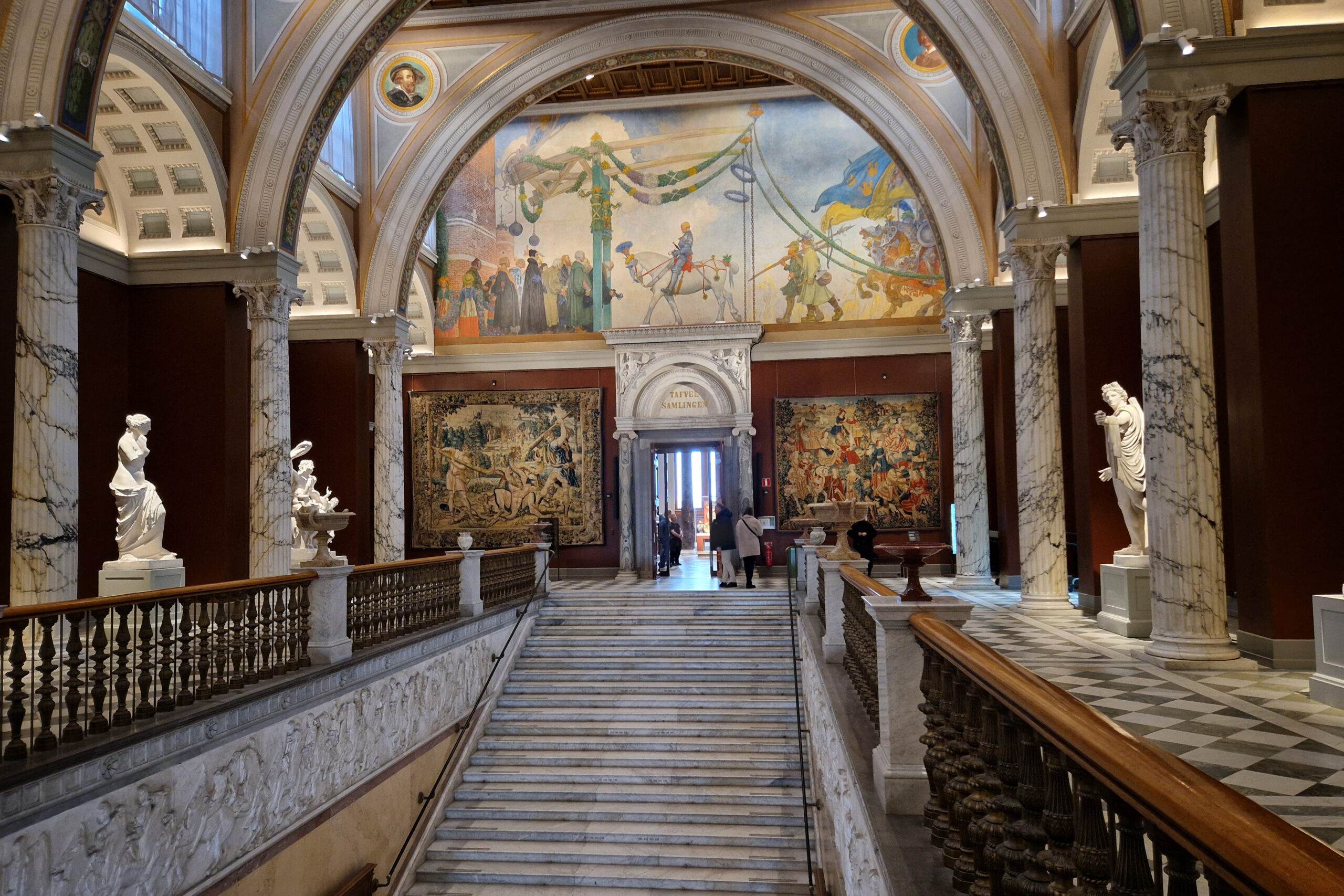
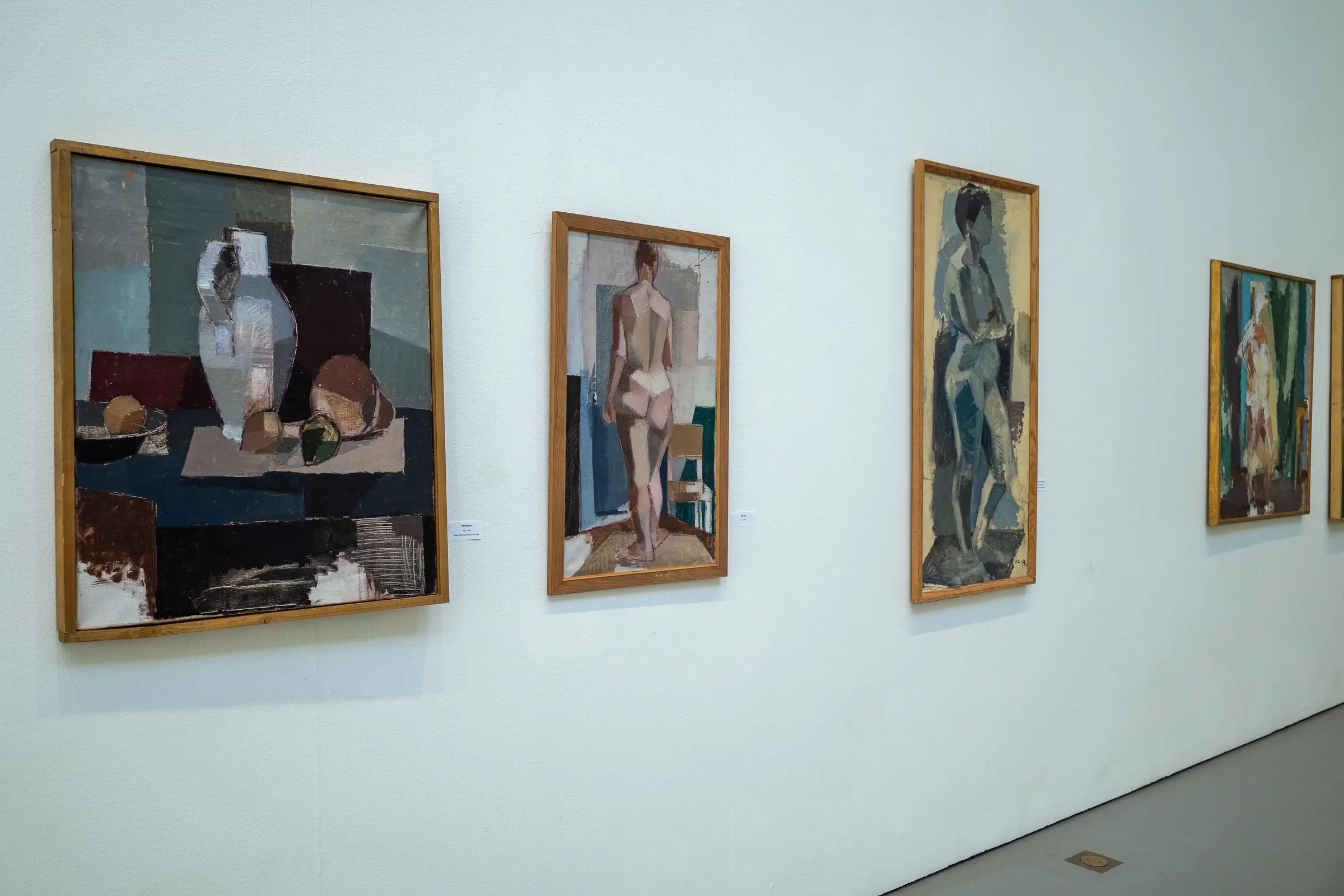
Nationalmuseum is one of our favorite museums, with its vast collection of European paintings, sculptures, drawings, and prints. It’s a must-visit destination for any art lover. The permanent collections showcase historic paintings, porcelain, jewelry and 19th century sculptures. The museum also regularly hosts temporary exhibitions that explore various themes, artists, and periods, often in collaboration with other international institutions. Nationalmuseum underwent a major renovation to modernize its facilities and improve visitor experience between 2013 and 2018. Today, it seamlessly blends history with modern amenities, ensuring a more comfortable and enriching visit.
Don’t miss: The design collection on the top floor.
Worth it if: You can come on a Thursday evening, when it is free and quiet. The ground floor, shop and courtyard are free to enter any day.
The Royal Palace
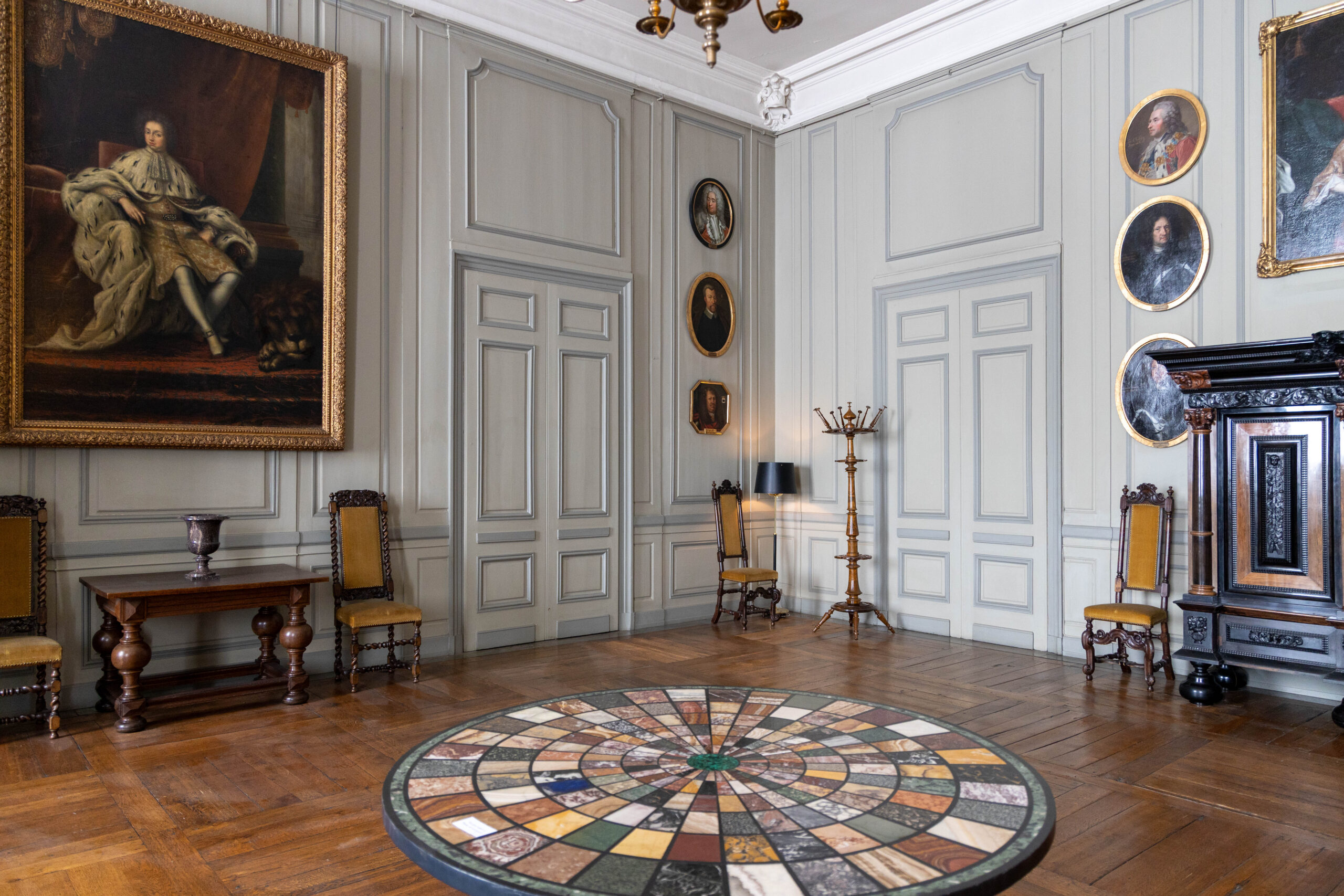
Designed and built in the 18th century, The Royal Palace is a showcase in baroque and rococo architecture and interior design. The palace is still in use, and is open for the public to visit. When visiting the Royal Palace you can see the royal apartments, the guest apartments that are used during state visits, and the Treasury as well as the Tre Kronor Museum, which tells the history of the original medieval castle that once stood here.
Don’t miss: The Treasury in the cellar vaults, and the changing of the guard in the outer courtyard at 12:15 pm on weekdays and Saturdays, 1:15 pm on Sundays and public holidays. It runs about 40 minutes and if free to watch.
Worth it if: You want the state rooms as well as the exterior. One ticket covers the Royal Apartments, the Treasury, the Hall of State and the Tre Kronor Museum, but the apartments close without much warning when the King is receiving.
The Nobel Prize Museum
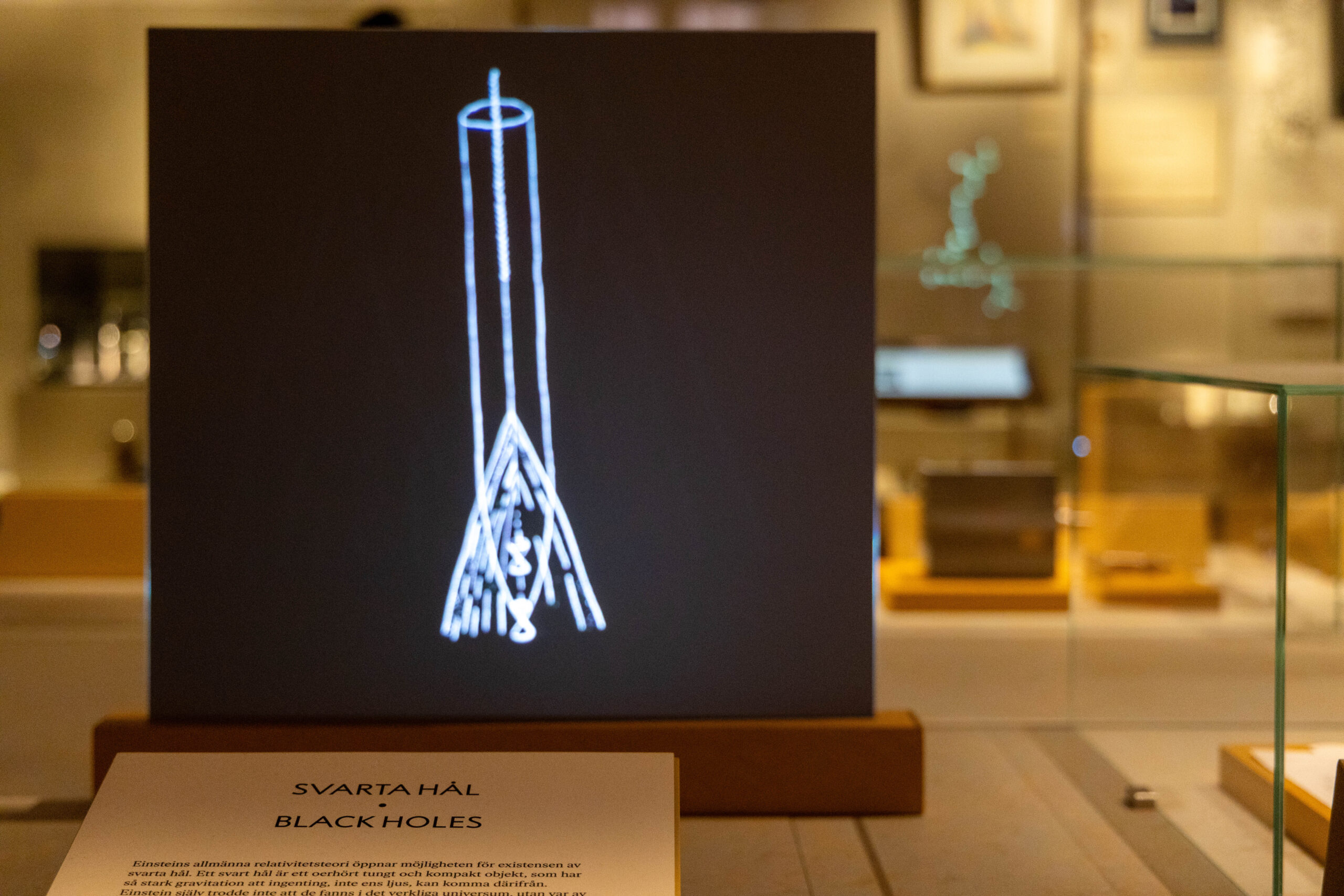
The Nobel Prize Museum will tell you about Alfred Nobel and the Nobel prize laureates throughout the years. The museum offers guided tours in English and Swedish several times a day, and also has an excellent audio guide that you can listen to on your own mobile phone. For those who are interested in knowing more about the Nobel Prize, its history and many of the modern achievements by the laureates, this museum will get you hooked for hours.
Don’t miss: The laureate portraits travelling overhead on the ceiling cable, and the signatures left under the café chairs.
Worth it if: You like ideas more than objects. It is one floor and a small one, but you can still spend a few hours there if you’re curious and want to read up on the laureates and their inventions.
Fotografiska
Fotografiska is Sweden’s and perhaps the world’s largest museum for contemporary photography. The museum does not have a permanent collection, instead they have several temporary exhibitions that are updated several times a year. These showcase diverse photographic works from renowned international photographers as well as emerging artists. After visiting the exhibitions, don’t miss the chance to rest your legs at the café upstairs; the panoramic windows offer a great view of Stockholm’s waterfront.
Don’t miss: The top-floor restaurant and its window wall over the waterfront, which is worth the climb even without a table.
Worth it if: You want somewhere open in the evening when everything else in Stockholm has closed. There is no permanent collection, so the visit is only as good as whatever is hanging that month. Check the current shows before you buy.
ABBA the Museum
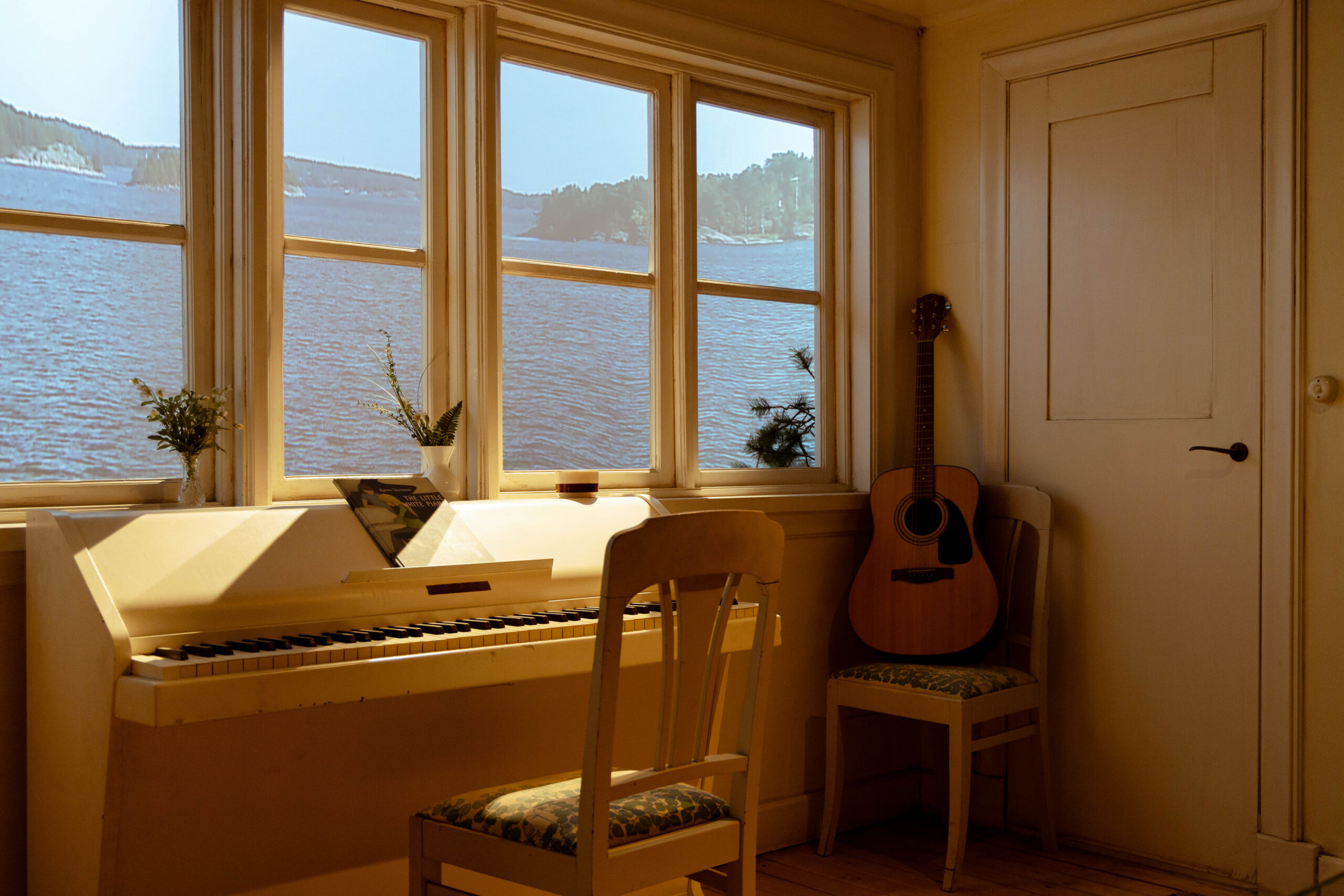
If you’re a fan of ABBA this museum is a must. ABBA the Museum has several displays with ABBA’s music and shows, such as a collection of their stage outfits, their numerous gold records, a replica of the Polar Studio, where ABBA recorded several of their hits and an interactive exhibition where you can play the piano together with Benny. The museum shows several personal stories from each of the band members and is a fun way to get to know more about one of the greatest music groups in our time.
Don’t miss: The original stage costumes, and the booth where your recording follows you home as a video.
Worth it if: You are up for singing. It is the most expensive museum on this list and the interactive stations are the point, so it rewards the willing and punishes the reluctant.
The Hallwyl Museum
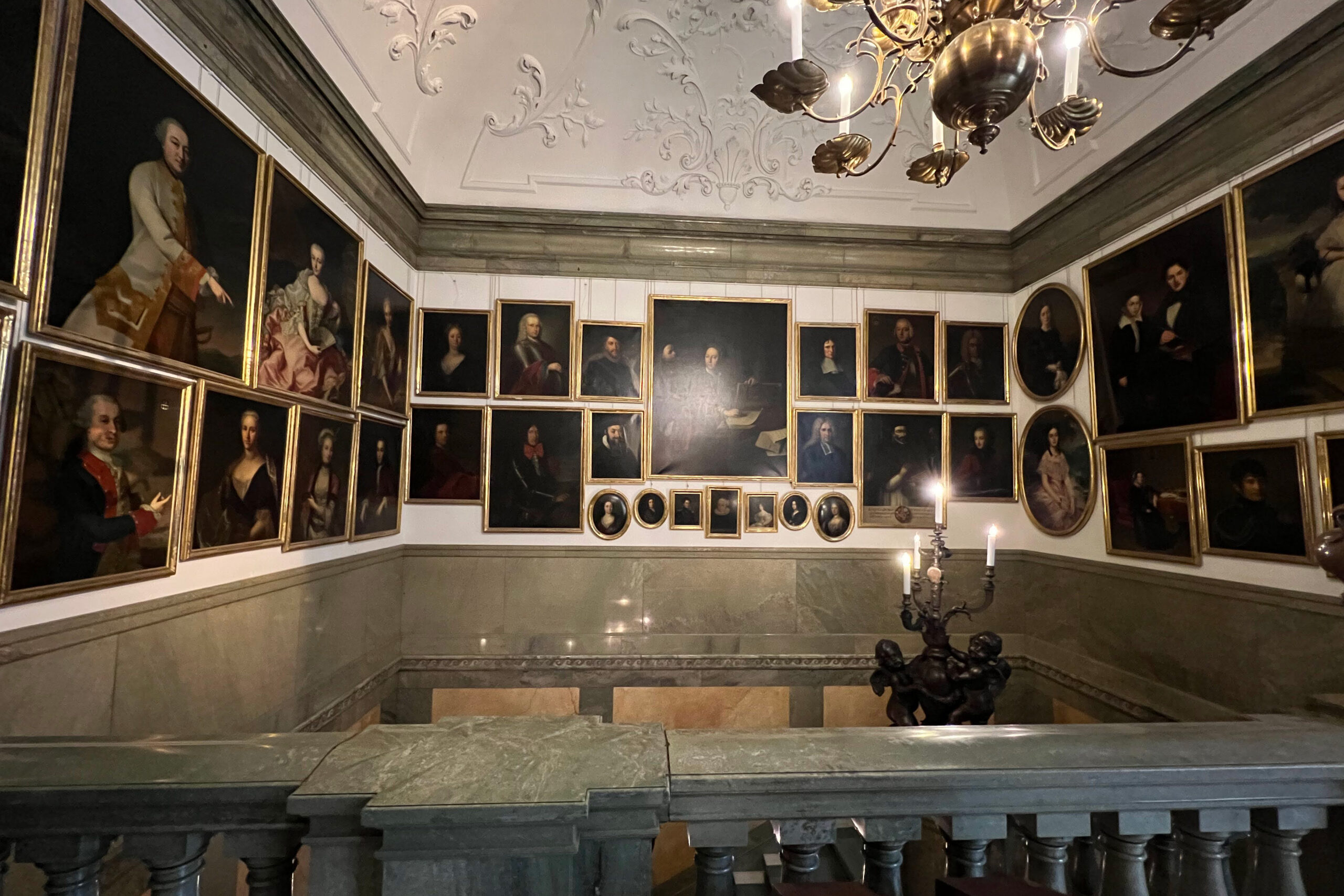
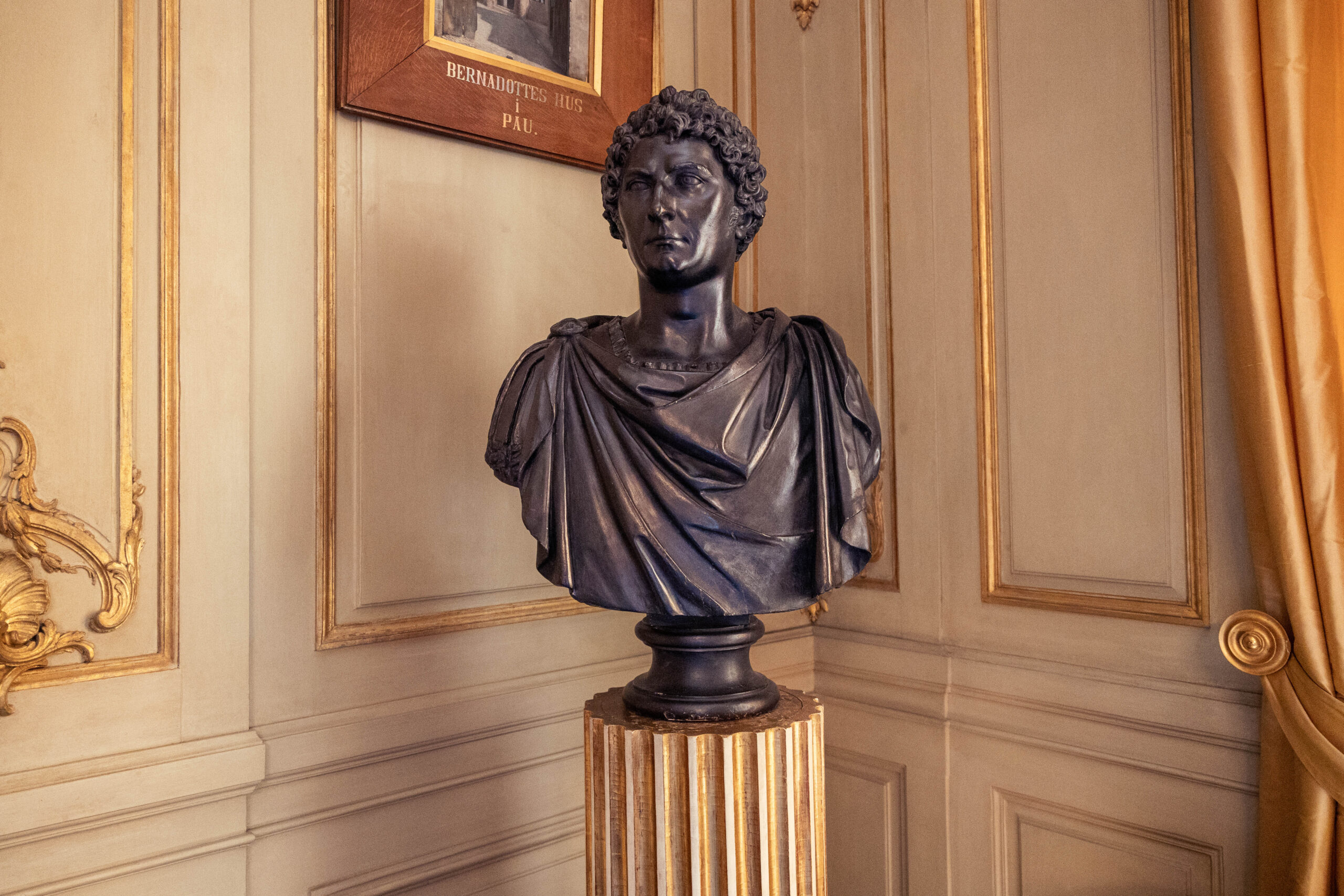
The building was originally a private residence for the Hallwyl family. Despite being built over a century ago, it was a very modern house for its time, with central heating and electric lighting. The Hallwyl Museum showcases luxurious rooms with original furnishings, reflecting the wealth of the period. Visitors can explore the elegant interiors and see how advanced the house was compared to others from the same era.
Don’t miss: The bathroom and the billiard room, where the 1898 fittings show what money actually bought at the time.
Worth it if: You want a house rather than a collection. Note the practicalities: no strollers inside, and coats and large bags go in the free lockers.
The Nordic Museum
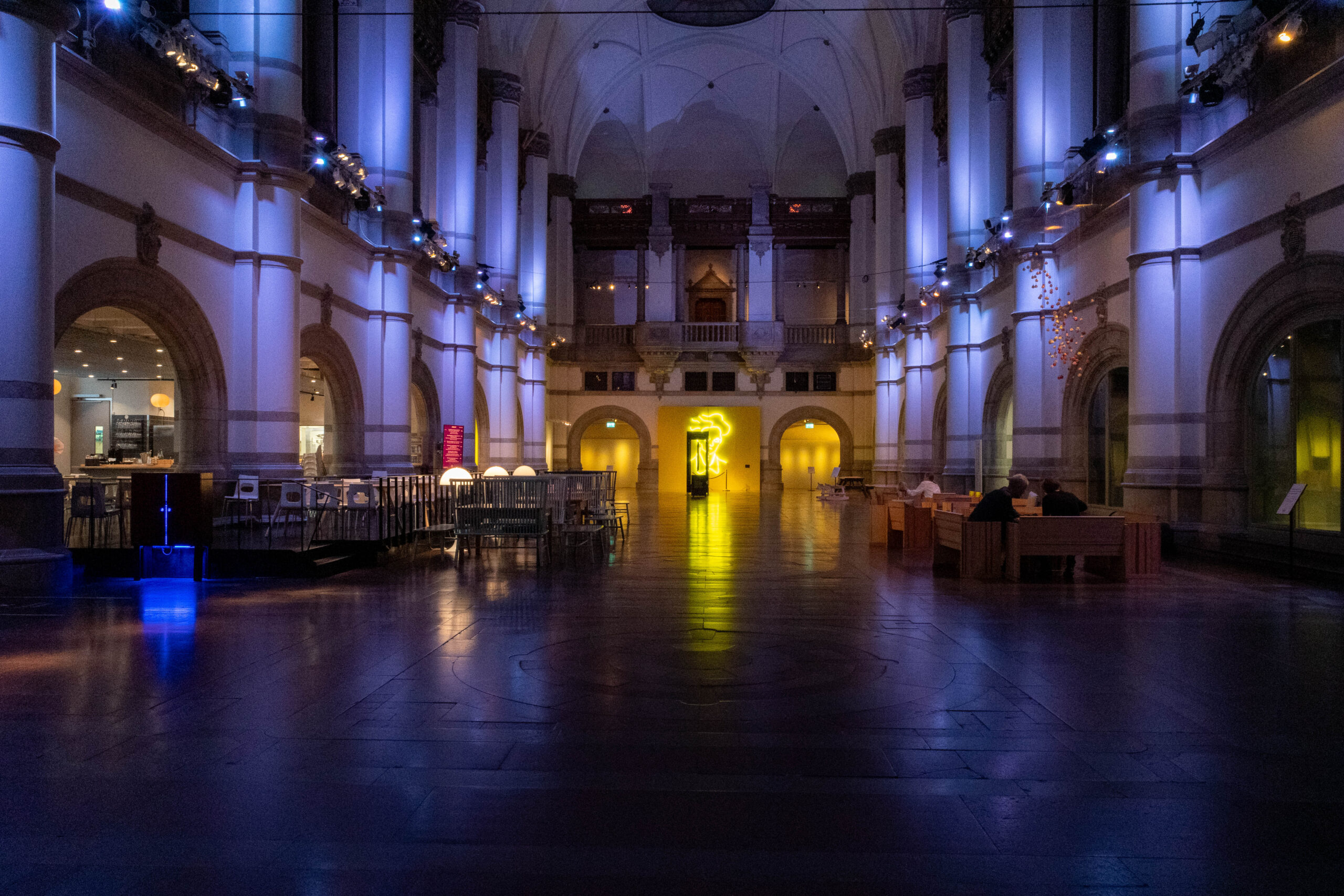
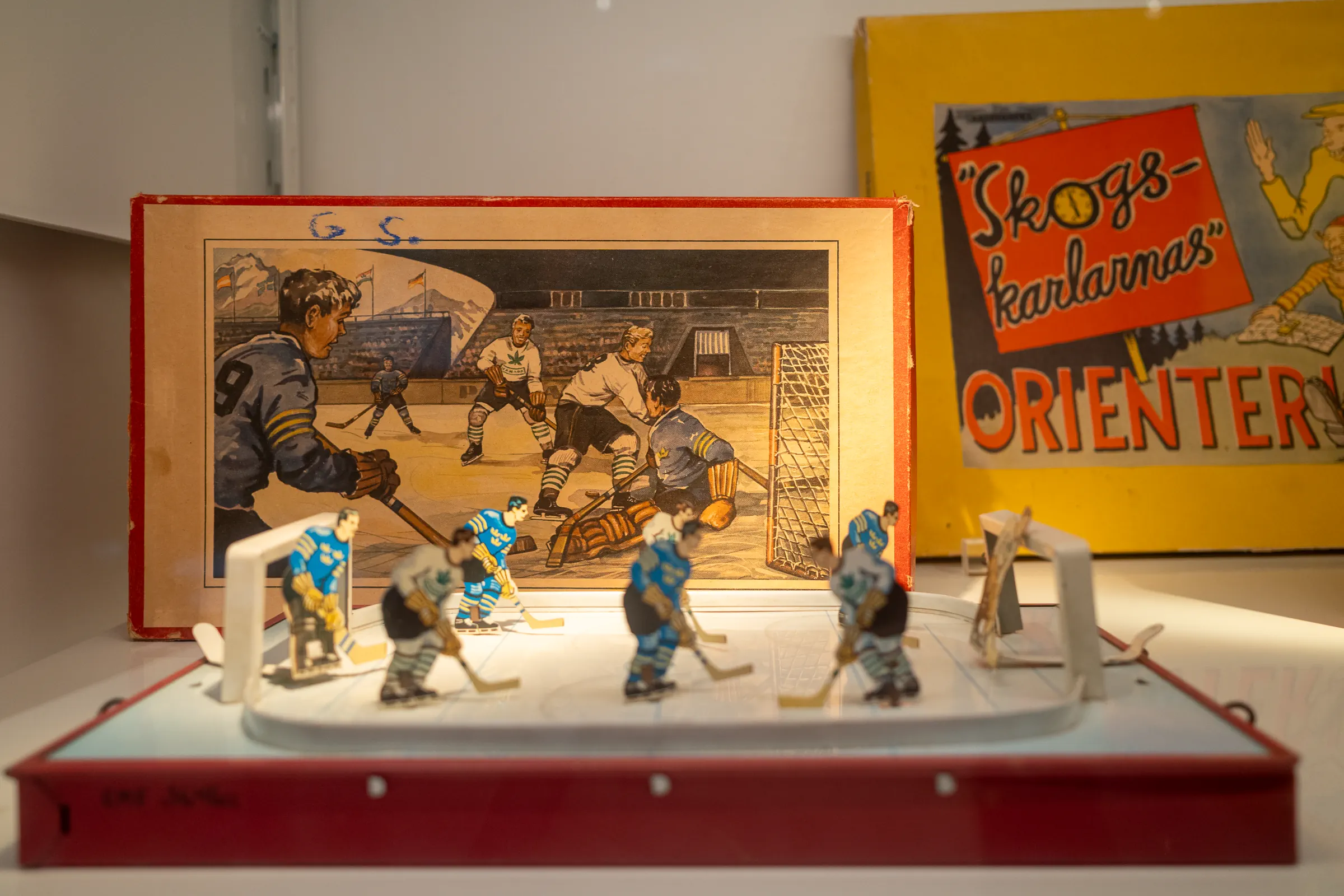
The Nordic Museum is a fascinating museum that delves into the history and cultural heritage of the Nordic region. Their expansive exhibition “Nordic Life”, which opened in 2024, takes you through 500 years of the lives of the people in the Nordic region. This is the perfect place to spend a few hours to delve into the history and cultural heritage of Sweden and the Nordic countries.
Don’t miss: Carl Larsson’s portrait of Strindberg at the end of the great hall, and the Sámi collection upstairs.
Worth it if: You are already going to the Vasa Museum and want the other half of the story, which is how Swedes actually lived. The hall alone justifies stepping inside.
Moderna Museet
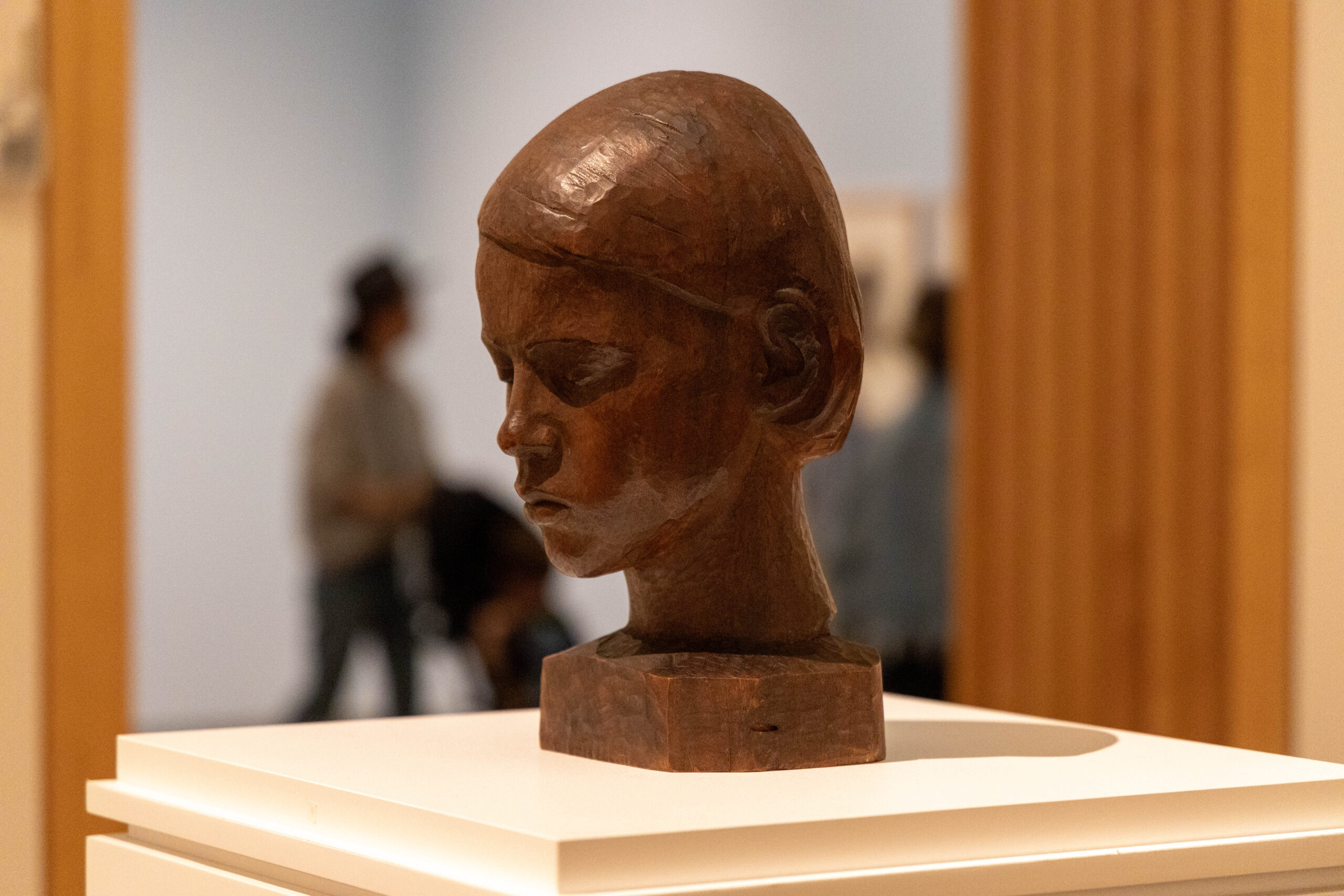
Moderna Museet (The Modern Art Museum in Stockholm) is the best museum for modern and contemporary art in Stockholm. The permanent collection includes works by artists such as Pablo Picasso, Henri Matisse, Salvador Dalí, and Andy Warhol. It also includes significant pieces by Swedish and Nordic artists. There are regular temporary exhibitions which showcase different contemporary and international artists.
Don’t miss: The Tinguely and Saint Phalle sculptures outside, which you can see without a entry ticket, and the terrace view back across the water to Strandvägen and Djurgården.
Worth it if: You come on a Friday evening when the last two hours are free. The walk over to Skeppsholmen is half the reason to go.