In Stockholm, most everyday payments are made by card. You can tap your card for a cinnamon bun and coffee, use contactless payment at many ticket machines, and pay by card in most shops, restaurants, museums, and hotels. For visitors, this usually makes Stockholm an easy city to navigate without exchanging much cash.
But “mostly cashless” does not mean “cash never matters.” Locals often have access to Swish, Sweden’s mobile payment system, which is widely used for small payments, markets, private sales, and some local events. Most short-term visitors cannot use Swish, so you may occasionally run into a situation where the options are Swish, or cash.
So, do you need cash in Stockholm? Usually, no. A credit or debit card will cover almost everything. Still, carrying a small amount of Swedish kronor can be useful as a backup, especially for markets, temporary stalls, small vendors, or situations where a card terminal is not working.
This guide explains when card is enough, when cash may still help, how Swish affects visitors, and how to avoid unnecessary fees when using a foreign card in Sweden.
Cards: the easiest way to pay in Stockholm
For most visitors, a Visa or Mastercard is the safest everyday payment option in Stockholm. They are widely accepted in restaurants, cafés, shops, museums, supermarkets, pharmacies, transport apps, and many smaller businesses.
American Express is accepted in some places, but not as reliably as Visa or Mastercard. If Amex is your main card, bring a Visa or Mastercard as a backup.
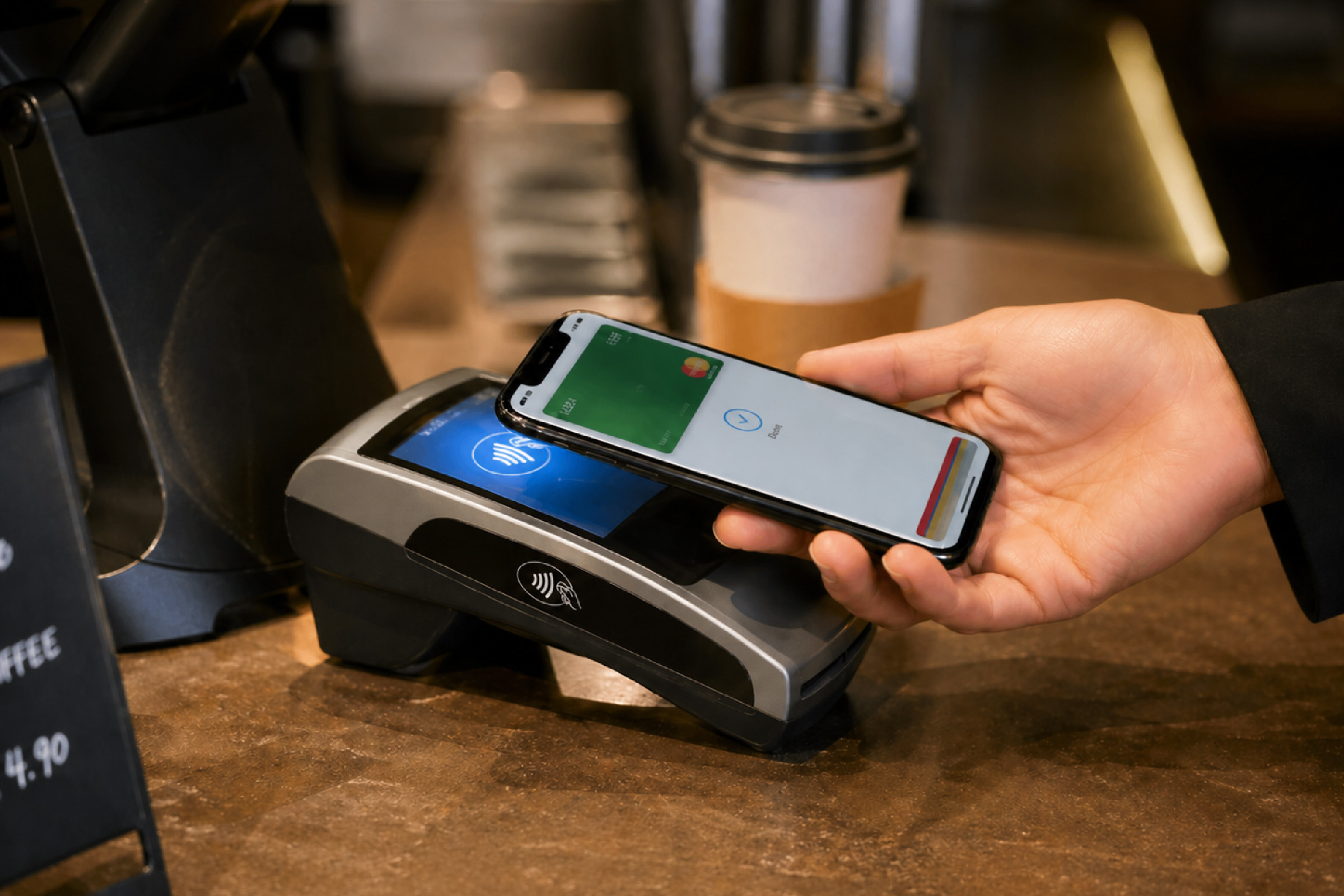
Contactless payment is common. In most situations, you can tap your card, phone, or watch on the card reader. For smaller purchases, this often works without entering a PIN. For larger purchases, or sometimes as a security check, the terminal may ask for your PIN instead.
In Sweden, the usual contactless limit before a PIN is requested is 400 SEK, but your own card issuer may have different rules. Some foreign cards may also behave slightly differently, especially if they are not often used abroad. Before traveling, it is worth checking that your card is enabled for international and contactless payments, and that you know your PIN.
Apple Pay and Google Pay are widely usable in Stockholm because contactless terminals are common. They should work in most places that accept contactless card payments, as long as your device, card, and bank support them. Set this up before your trip rather than trying to solve it at the counter.
Public transport: do not rely on cash
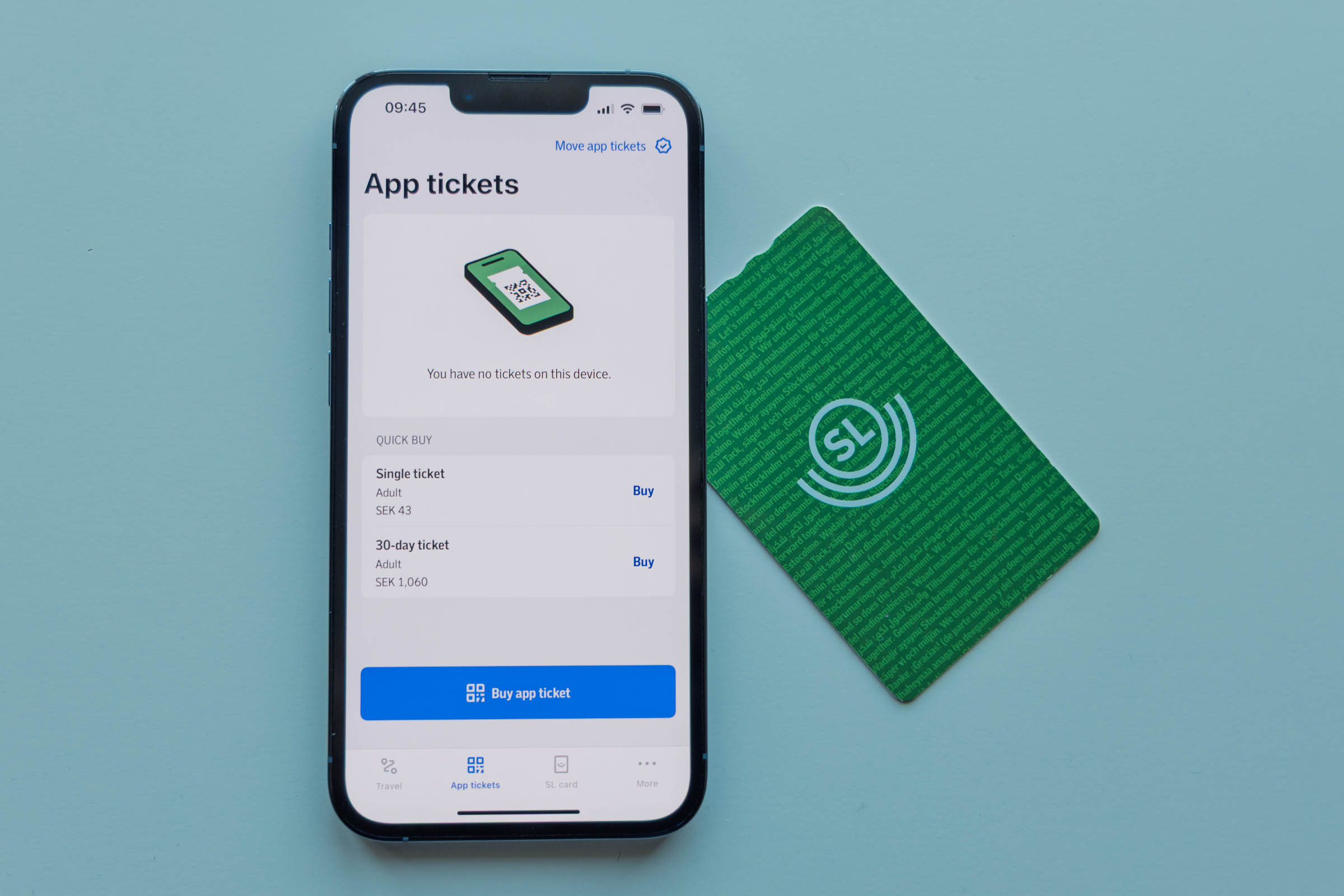
Stockholm’s public transport is not set up for cash payments on board. For everyday travel by metro (Tunnelbana), bus, tram, commuter train, or SL ferry, the easiest option for most visitors is to use the SL app or tap a contactless Visa, Mastercard, or American Express directly on the green card reader.
You can also buy SL tickets from selected ticket agents, such as Pressbyrån and 7-Eleven, which can be useful if you prefer a physical ticket or travelcard. But you should not expect to board a bus, enter the metro, or take an SL ferry and pay with banknotes or coins there.
For archipelago travel, the payment rules depend on the operator and route. On Waxholmsbolaget boats, you can usually buy a ticket on board and pay by card. Other ferry operators may use online booking, app payment, or card payment on board. Cash is generally not the payment method to plan around.
In practice, you do not need cash for public transport in Stockholm. What you do need is a working payment card, the SL app, or a ticket bought in advance. For more detail on island routes, see our guide to getting to the Stockholm Archipelago by ferry.
Swish: useful to recognize, but hard for visitors to use
You will see the Swish logo in many places in Stockholm. Swish is a Swedish mobile payment app that lets people send money instantly by phone number. Locals use it to split bills, pay friends, buy second-hand items, make donations, and pay at some markets or smaller events.
For most short-term visitors, Swish is not available. To use it, you need a Swedish bank account, BankID, and a Swedish phone number. In practice, that means it is something residents use, not something tourists can usually set up for a trip.
This is useful to know because a Swish sign does not mean the same thing as a card sign. In most regular shops, restaurants, museums, and cafés, a Visa or Mastercard will be enough. But in more local or temporary settings, such as flea markets, Christmas markets, small food stalls, associations, or smaller museum cafés, you may occasionally find that the easiest options are Swish or cash.
This does not mean you need to carry a lot of cash in Stockholm. It simply means that if your plans include markets, small vendors, or more local events, it can be sensible to keep a small cash backup.
A small cash backup is enough
You do not need to carry much cash in Stockholm. For most visitors, 200–300 SEK is enough as a backup, especially if you plan to visit markets, flea markets, small seasonal events, or smaller neighborhood cafés.
For a trip focused on restaurants, museums, shops, hotels, and public transport, you may not use cash at all. A Visa or Mastercard will usually be more useful than a wallet full of Swedish banknotes.
The main reason to carry a little cash is not that Stockholm runs on cash. It does not. It is simply that visitors cannot use Swish, and some smaller sellers may not accept cards.
ATMs in Stockholm
If you want to withdraw cash in Stockholm, look for a Bankomat or Kontanten ATM. Bankomat machines are blue or teal and are found in central locations, shopping areas, transport hubs, and near some bank branches. Kontanten machines are orange and marked with the word “Uttag”, which means withdrawal.
Both networks have ATM locators on their websites. Bankomat also has an iPhone and Android app called Hitta Bankomat (Find Bankomat), which can help you find the nearest machine.
Before using an ATM with a foreign card, check whether your home bank charges a foreign ATM fee. Also pay attention to the currency choice on the screen. If the ATM asks whether you want to be charged in SEK or your home currency, choose SEK.
Choosing your home currency is called dynamic currency conversion. It may look helpful because it shows the amount in a familiar currency, but the exchange rate is usually worse. Decline the conversion and let your own bank or card provider handle the exchange instead.
Always pay in SEK
When you pay with a foreign card in Stockholm, the card terminal may ask whether you want to pay in SEK or in your home currency. Choose SEK.
If you choose your home currency, the terminal is offering something called dynamic currency conversion. It may look helpful because you can see the amount in a familiar currency, but the exchange rate is usually worse than the one your bank or card provider would use.
This can make a small difference on one purchase, but it can add up over a full trip. As a general rule, pay in SEK in shops, restaurants, hotels, taxis, ticket machines, and ATMs.
Check your card fees before you travel
Most foreign Visa and Mastercard cards work well in Stockholm. The cost to watch for is your own bank’s foreign transaction fee. Many cards charge around 1–3% on purchases made abroad, although some travel cards and premium cards charge less or nothing.
Before your trip, check three things: whether your card works internationally, whether contactless payments are enabled, and what fee your bank charges for purchases in SEK. If you use a travel card from a provider such as Wise or Revolut, check the current pricing for your account type. Fees and exchange limits can depend on your plan, currency, and monthly usage.
A small percentage may not matter much on one coffee or museum ticket, but it can add up across several days of restaurants, transport, shopping, and hotel extras.
Where to exchange cash in Stockholm
If you want Swedish cash, withdrawing SEK from an ATM is usually the simplest option. You can also use a currency exchange office, but compare the rate and any fees before you exchange.
FOREX has exchange services at Stockholm Central Station and Arlanda Airport. At Arlanda, you will find FOREX services in SkyCity and in Terminals 2 and 5. Locations can change, so check the FOREX website before relying on a specific office.
For most visitors, there is no need to exchange a large amount of cash. If you want a backup, 200–300 SEK is usually enough for small vendors, markets, or situations where card payment is not available.
What to bring and what to skip
Bring a Visa or Mastercard debit or credit card, ideally with contactless payment enabled. Before you travel, check whether your bank charges foreign transaction fees and make sure you know your PIN.
If you plan to visit markets, flea markets, small seasonal events, or smaller local cafés, carrying 200–300 SEK in cash is a sensible backup. For a trip focused on restaurants, museums, shops, hotels, and public transport, you may not use cash at all.
Do not rely on euros in Stockholm. A few tourist-facing places may accept them, but prices are set in SEK and the exchange rate is unlikely to be in your favor.
In practice, paying in Stockholm is usually straightforward: use your card, choose SEK when the terminal asks, and keep a small cash backup only if it suits the kind of trip you have planned.
Useful currency basics
Sweden’s currency is the Swedish krona, written as SEK. The plural is kronor.
For most visitors, the main thing to know is simple: prices in Stockholm are shown in SEK, and that is the only currency you should plan to use. Euros may be accepted in a few tourist-facing places, but this is not something to rely on. If a business does accept euros, the exchange rate will usually be worse than what you would get by paying by card in SEK.
Swedish banknotes come in 20, 50, 100, 200, 500, and 1,000 SEK. Coins come in 1, 2, 5, and 10 SEK. You may not handle them often, especially if you mostly pay by card, but they are useful to recognize if you decide to carry a small cash backup.
As a rough mental conversion, 1 EUR is around 11 SEK. For US dollars, the rate is more volatile. In spring 2026, 1 USD is a little over 9 SEK. Check your bank before you travel for the current rate.
Have more questions about visiting Stockholm? See our frequently asked questions.