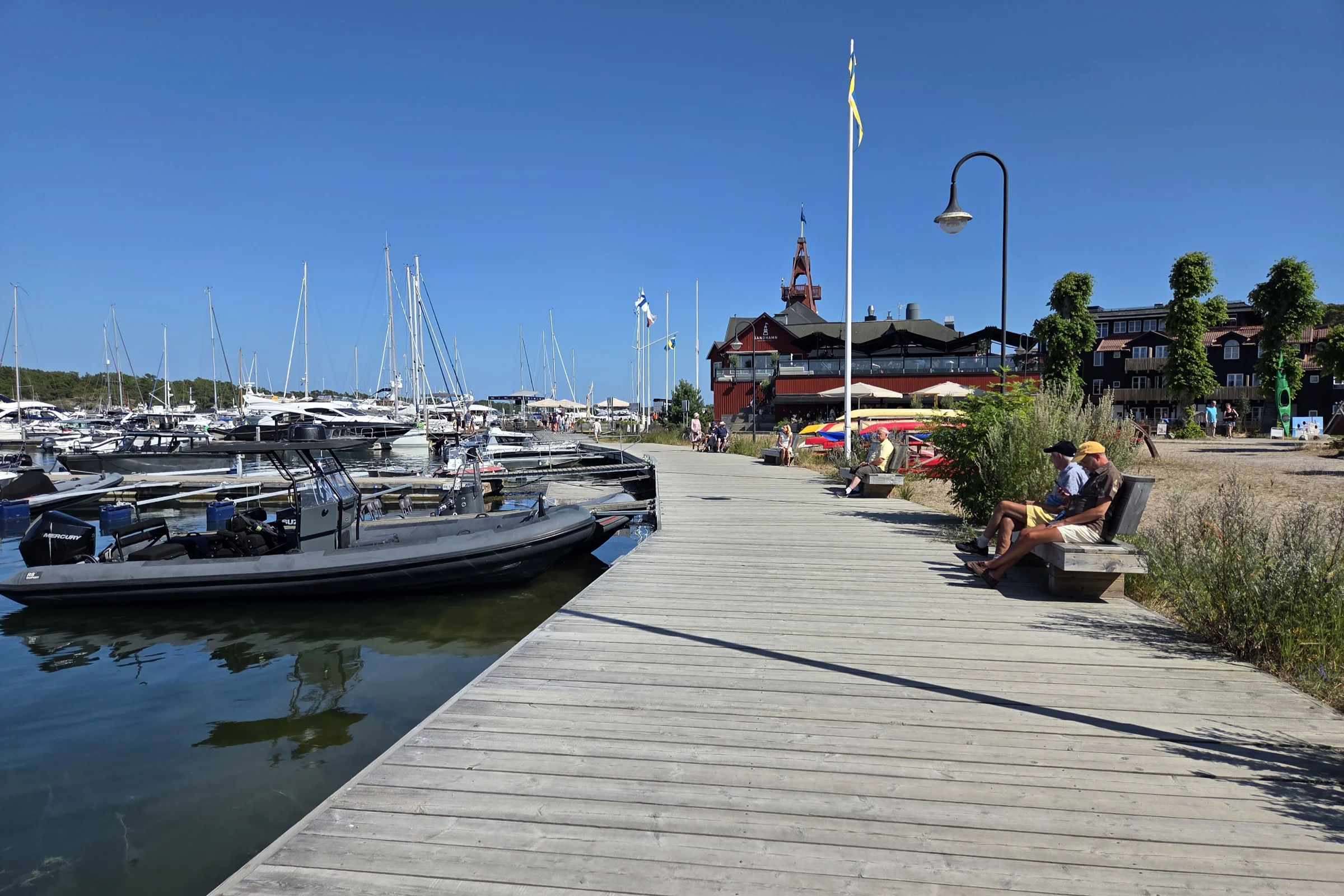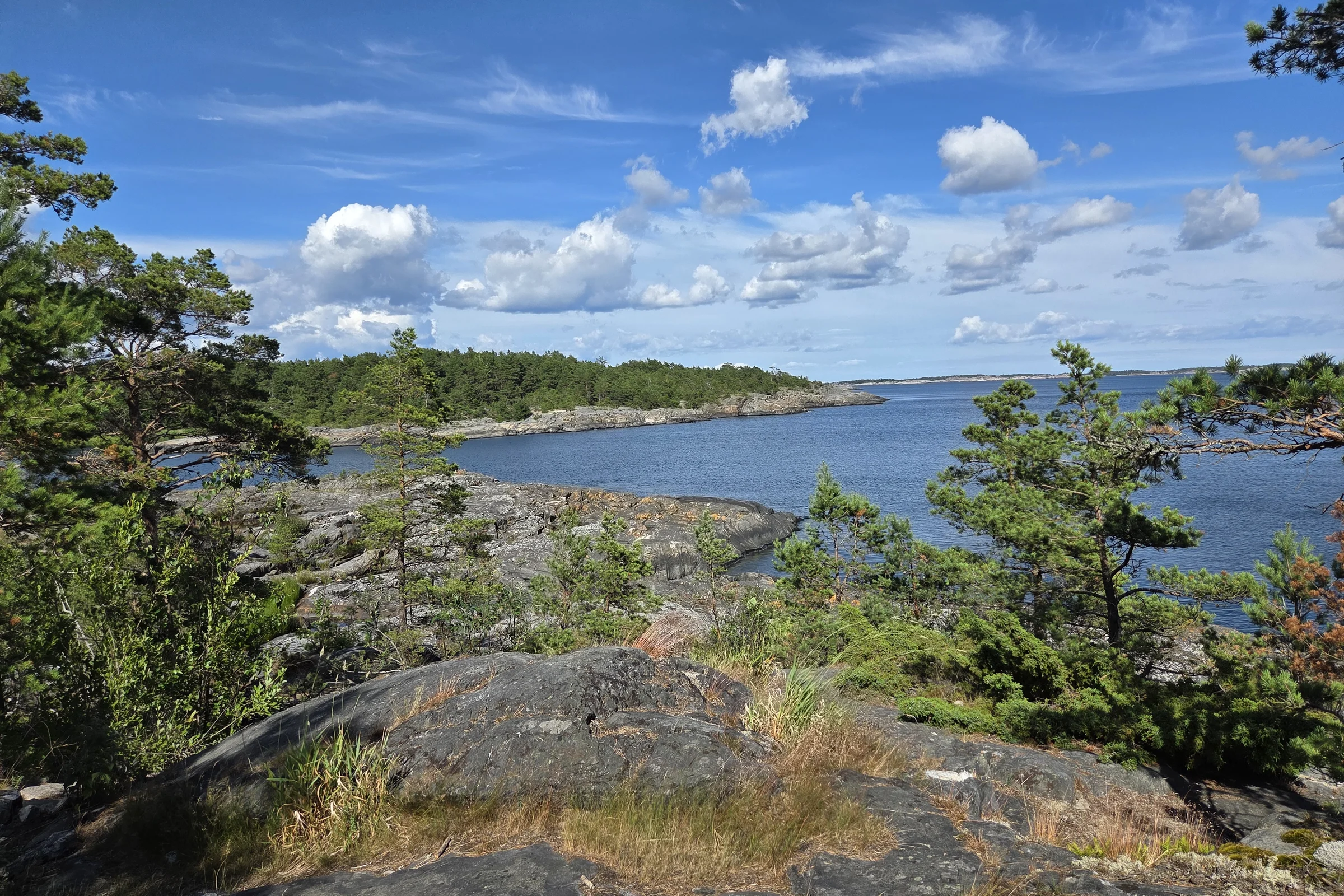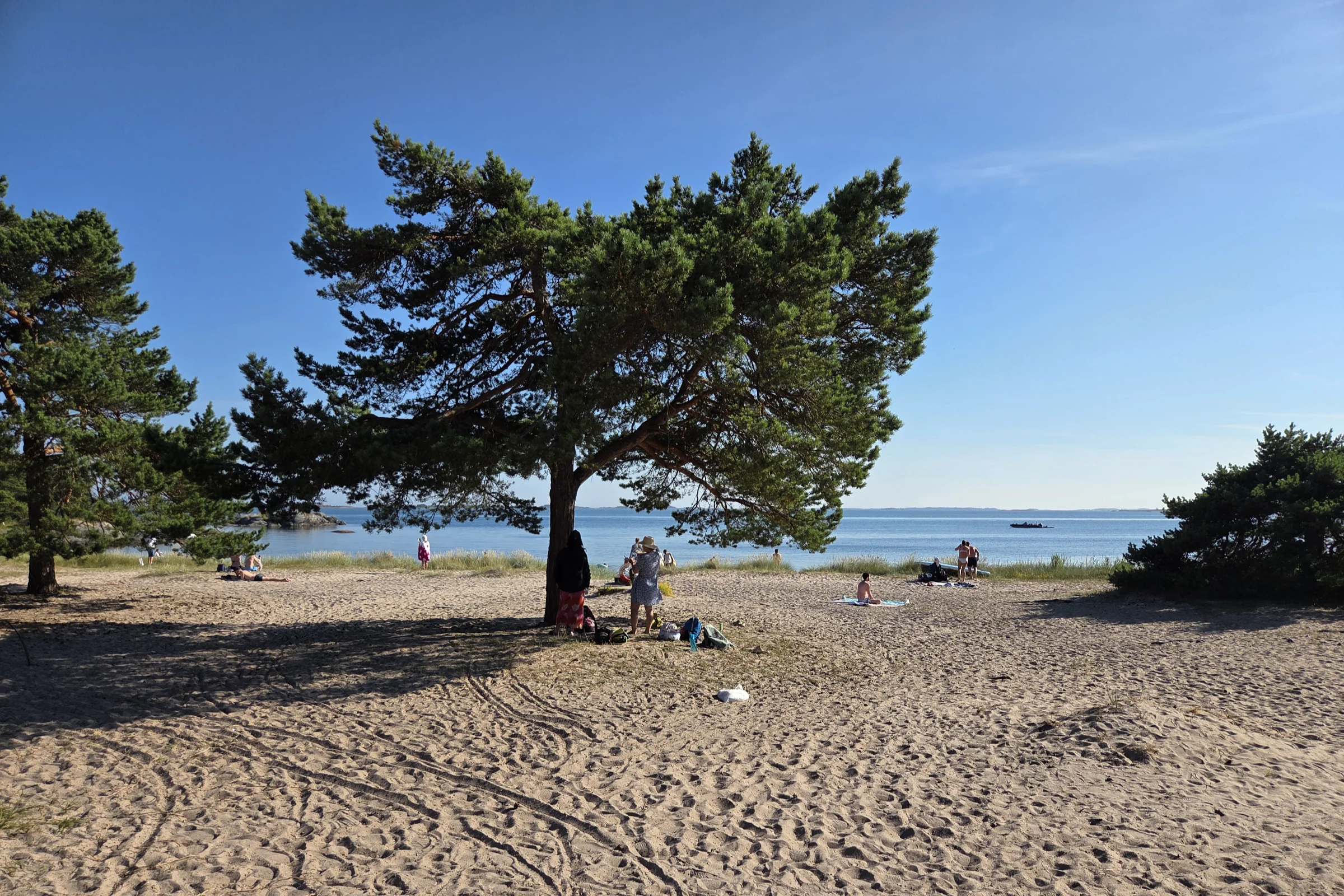
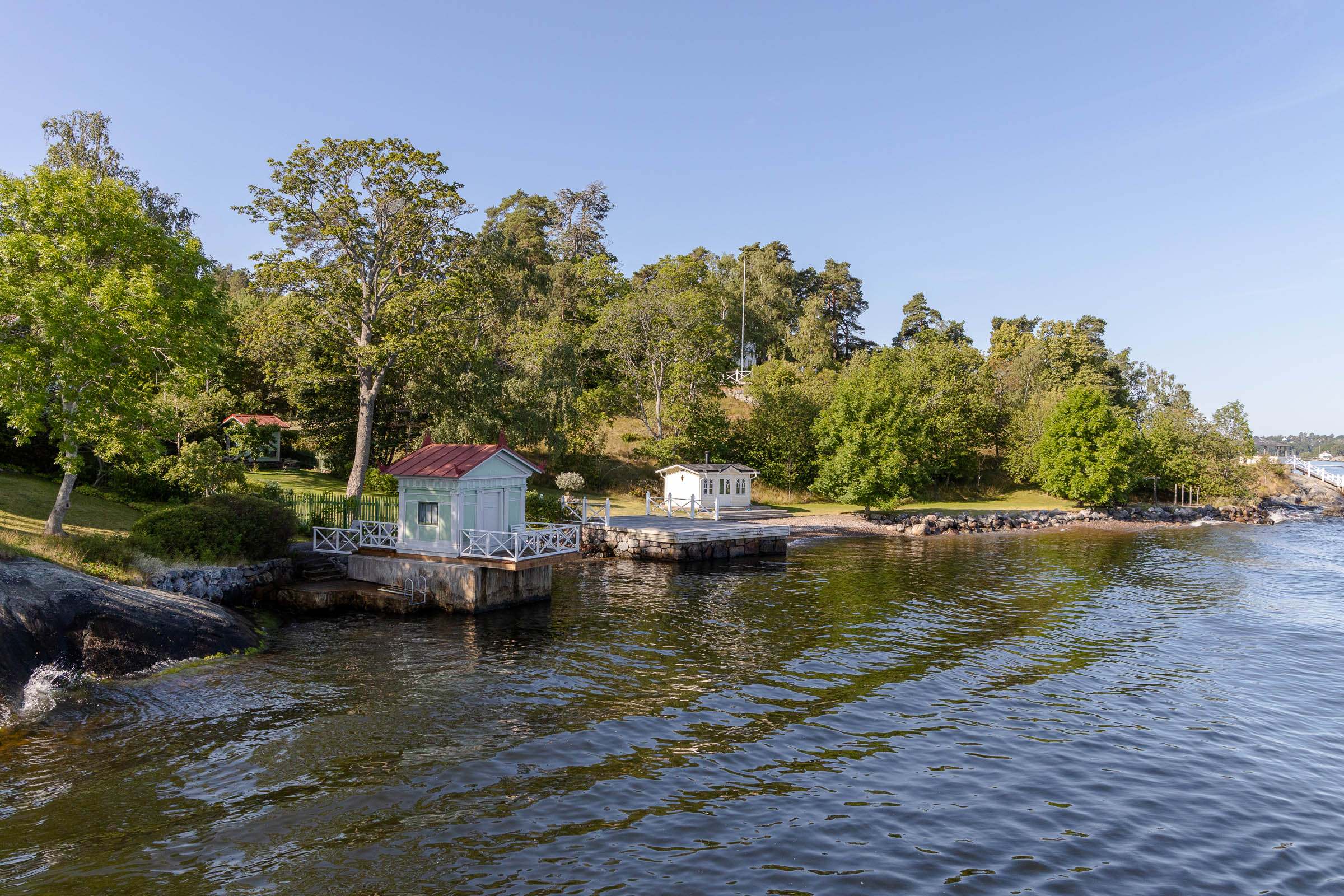
The archipelago has a reputation for being expensive. Some of that is deserved. A two-night stay at Sandhamn in peak summer can easily become pricey before you have even paid for food. Fast boats from central Stockholm, such as the Cinderellabåtarna to Grinda, can also look tempting until you compare the ticket price with the public ferries. Restaurants on the islands, especially farther out in the archipelago where there is less competition, often charge accordingly.
What that reputation misses is the scale of the Stockholm archipelago. It includes nearly 30,000 islands, islets, and rocks, and many islands can be reached by public ferry. Once you are there, the basics are often simple: walking, swimming, sitting by the water, and spending time in nature cost nothing. There are real ways to keep costs down without missing out on the experience.
This guide explains how to get to the archipelago more cheaply, where to eat without overspending, what you can do for free, when to go for better value, and where to stay without paying peak-season prices.
Getting there: Waxholmsbolaget, not the private operators
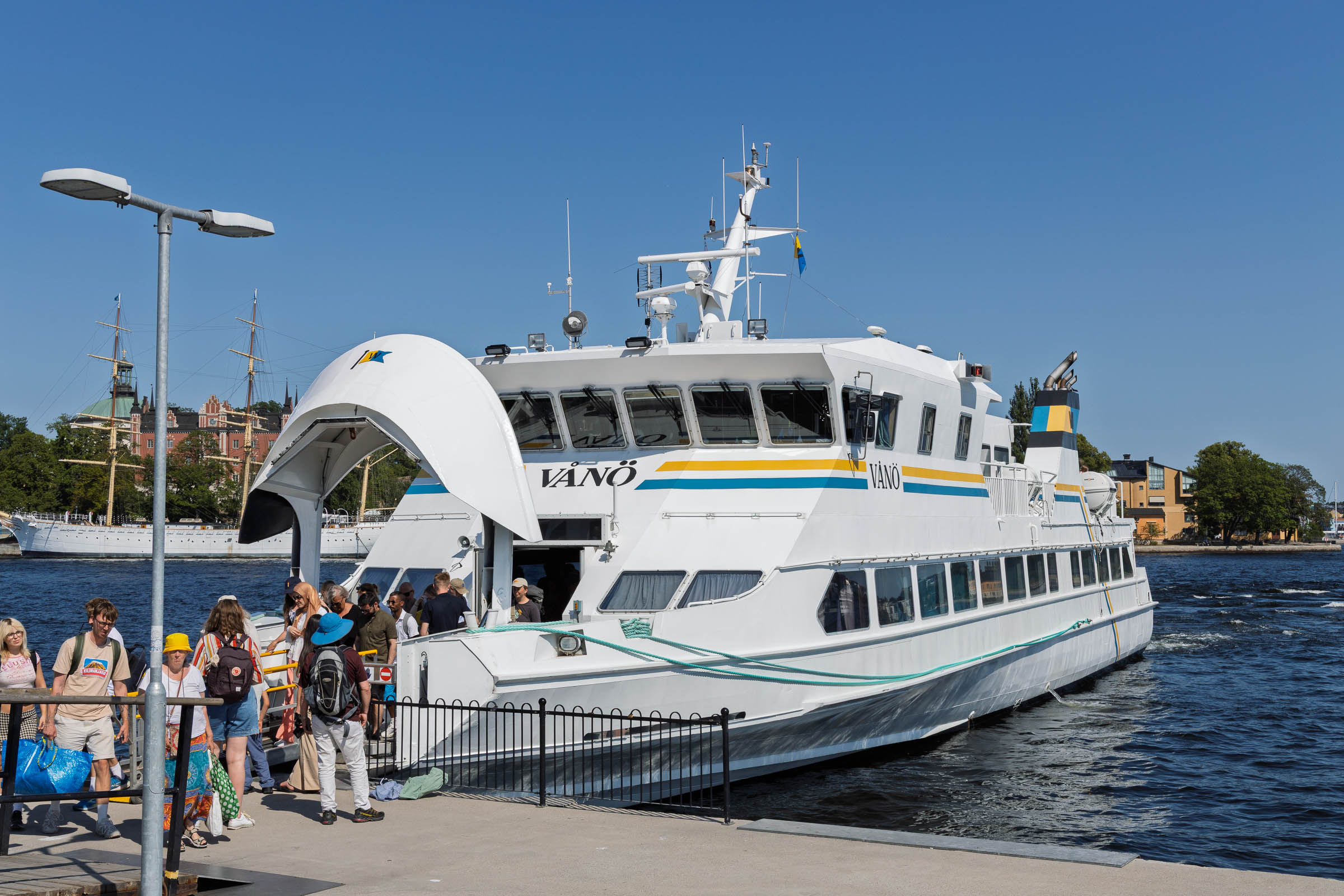
On certain Waxholmsbolaget routes, SL tickets are also valid, especially around Vaxholm, while other routes require a separate Waxholmsbolaget ticket. Cinderellabåtarna, run by Strömma, is the main private alternative. Its boats can be faster on some routes and may feel a bit more comfortable, but they are usually much more expensive.
For budget travel, Waxholmsbolaget is the obvious choice. It covers most of the archipelago destinations and is the default choice if keeping costs down matters more than saving time.
As far as Vaxholm: this is often the cheapest archipelago trip from central Stockholm. SL tickets and travel cards are valid on Waxholmsbolaget services to Vaxholm, and a standard SL single ticket currently costs 43 SEK. That is one reason Vaxholm makes sense as a first archipelago stop, even if you later want to go farther out..
Beyond Vaxholm: you’ll need a separate Waxholmsbolaget ticket, bought on board or through the SL app (select Waxholmsbolaget and the relevant fare). Grinda is 125 SEK one way, compared to 235 SEK with Cinderellabåtarna. Waxholmsbolaget to Sandhamn is 110 SEK, compared to 255 SEK with Cinderellabåtarna. As you can see Waxholmsbolaget is usually much cheaper on the same types of routes.
The trade-off is time: Waxholmsbolaget boats make more stops and take longer. The ride to Sandhamn is two and a half to three hours rather than two hours direct. Whether that matters depends on the kind of day you want. Some travelers will prefer the faster option, while others will not mind the longer ride.
Departure point: Most Waxholmsbolaget boats leave from Strömkajen, the quay in front of the Grand Hôtel in central Stockholm. The nearest metro stop is Kungsträdgården, a five-minute walk away. In summer, it is smart to arrive 20 to 30 minutes early, especially on weekends. There is usually already a queue by then. Waxholmsbolaget does not work like a reserved-seat service, so on very busy departures you may need to wait for the next boat.
One more thing: if you’re heading to Nåttarö or the southern archipelago, one of the cheapest ways is usually to take the commuter train to Nynäshamn and then continue by boat. The train ride is covered by SL and takes about an hour from central Stockholm. On these routes, departures are less frequent, so it is worth planning the connection carefully. Missing the boat can mean waiting several hours for the next one.
See our full Stockholm archipelago ferry guide for boarding tips, ticket advice, and timetable help.
When to go for lower prices
Timing has a big effect on cost in the Stockholm archipelago. Peak summer, from late June through mid-August, is the easiest time to visit. Ferries run more often, restaurants are open, and the water is at its warmest. It is also when accommodation prices are highest and popular islands feel busiest.
For many budget-conscious visitors, late August and early September are a better balance. Stockholm schools start again in mid-August, and that usually takes some pressure off the most popular routes and islands. Ferry schedules are still workable on many routes, but room rates often ease compared with the main vacation period. At 15 to 19°C, the water can still be swimmable in late summer too, especially after a warm season, though September is less predictable than July or early August.
This is also a calmer time to be out in the archipelago. You are more likely to find quieter jetties, less crowded ferries, and a slower pace overall. That will appeal more to some travelers than others, but if you care more about walking, sitting by the water, and staying overnight than about peak swimming weather, it is often a better-value window than midsummer or early July.
Late May and early June can also work well. Prices are often lower than in peak summer, and most places have started opening for the season, though services may still be limited on some islands and weekday lunch options are not always reliable. The trade-off is obvious: the water is colder, and ferry schedules are not as full as in high summer. For visitors focused more on hiking and nature than on swimming, this can be one of the better-value times to go.
The simplest budget tip: if you want the best mix of lower prices, decent ferry access, and an archipelago that still feels open for the season, aim for late August or early September rather than peak summer.
For a full breakdown of what each season offers, see our guide to the best time to visit the Stockholm Archipelago.
Choosing your island: budget friendliness varies a lot
Not all archipelago islands cost the same once you arrive. The difference between a day on Vaxholm and a day on Sandhamn is not just the ferry fare, but what is available once you get off the boat.
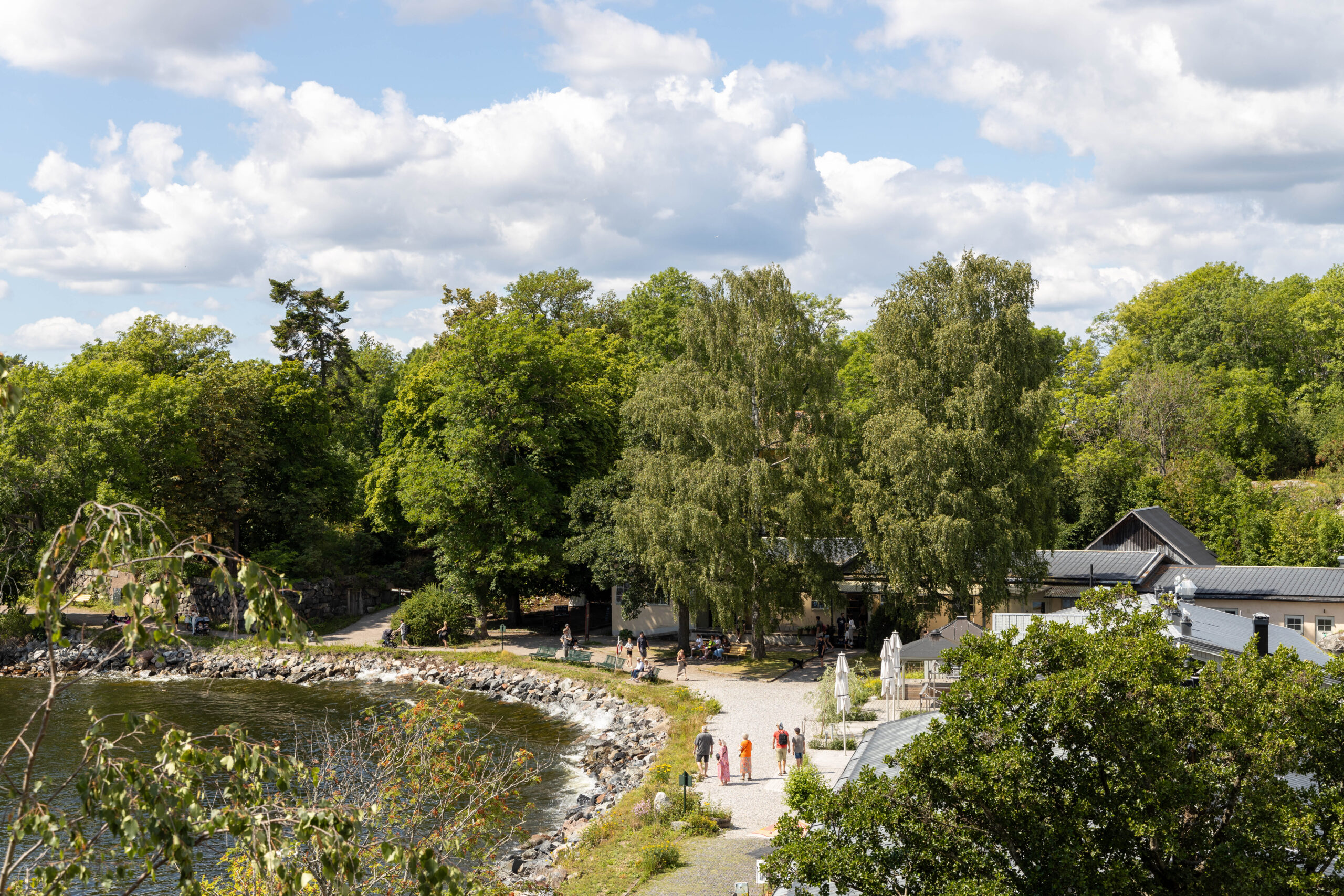
Fjäderholmarna is the easiest short archipelago outing from central Stockholm. The crossing from Strömkajen takes about 20 to 30 minutes, and the island is small enough to walk around in well under an hour. The main reason to go is simply to spend a few hours by the water, walk the paths, and enjoy the setting. There are restaurants, cafés, and craft shops, but you do not need to use them if you bring your own food. The main limitation is that Fjäderholmarna is highly seasonal. In 2026, the main season runs from May 1 to September 13, and outside that period the island is closed apart from limited Christmas restaurant traffic. Read our Fjäderholmarna guide for what to do once you’re there.
Vaxholm is one of the best-value full-day archipelago trips. It’s a real small town, not just a summer island stop, which makes it easier to keep costs down. There is a Coop near the harbor, along with cafés and bakeries, so you can bring a picnic from Stockholm, buy something simple once you arrive, or mix the two. That flexibility is part of what makes Vaxholm such a practical budget choice.
Grinda works well for visitors who want a more classic island day without moving into Sandhamn prices. The ferry costs more than Vaxholm, but once you are there, the free part of the day is easy to fill: walking, swimming, sitting by the water, and following the island trails. For food, the most budget-friendly option is usually the Lanthandel near the dock, which sells simple lunch items and picnic food. If you want a sit-down meal, Framfickan is a bit more budget-friendly compared to Grinda Wärdshus.
Sandhamn is where budget pressure becomes more noticeable. It is one of the best-known outer archipelago destinations, and prices tend to reflect that. You can still do it more cheaply if you bring food with you or keep your visit simple, but it takes more planning than Vaxholm or Grinda. It is worth visiting, just not the island we would suggest first to someone trying to keep spending down.
Utö deserves a specific mention for budget-minded overnight stays. It has a hostel rather than only hotel-style lodging, the hostel has shared kitchens, and the island is set up in a way that makes low-cost exploring easy. Bikes are a normal way to get around, and there are beaches and walking routes that do not cost anything. That combination makes Utö one of the more practical overnight options for visitors who want to stay out longer without paying Sandhamn-level prices.
See our guide to overnight stays in the Stockholm archipelago for the full picture.
What the archipelago gives you for free: allemansrätten
International visitors are often surprised by how much access they have to nature in Sweden. Under allemansrätten, the Right of Public Access, you can walk, swim, hike, and pick wild berries and mushrooms in the countryside, including on much privately owned land, as long as you do not disturb people, damage nature, or go too close to homes and gardens. It is one of the main reasons the archipelago can still feel generous even when you are trying to keep costs down.
In practice, that means:
Swimming. You do not need to pay an entry fee to have a good swim in the archipelago. On many islands, the best places to get into the water are not formal beaches at all, but rocky shorelines, small coves, and smooth granite slabs a short walk from the quay. Often, the quieter swimming spots are the ones you reach on foot rather than the first place you see when you get off the boat. See our guide to the best beaches in the Stockholm archipelago for specific spots by island.
Hiking. The Stockholm Archipelago Trail makes this especially easy. It is a marked long-distance route that covers Grinda, Svartsö, Finnhamn, and many other islands, and walking it costs nothing. On Grinda, the full trail section is 9.8 km. On islands like Svartsö, the route mixes gravel roads and forest paths, which makes it possible to build a full day around walking alone.
Foraging. Late summer adds another layer. Under allemansrätten, picking wild berries and mushrooms for personal use is allowed, and from August into September that can be part of a walk rather than a separate activity. Forested islands such as Grinda and Svartsö are the kinds of places where that matters most.
The sauna exception. Saunas are not free, but they can still be good value if you are sharing the cost. On Svartsö, a one-hour sauna booking is listed at 400 SEK. On Grinda, the Källviken sauna costs 500 SEK per hour for one to four people. Split between a small group, that is still much cheaper than a city spa and feels much more archipelago-specific.
Eating on a budget
Food is often where an archipelago trip becomes more expensive than expected. Ferry tickets are one part of the cost, but meals and drinks on the islands are usually where the budget starts to slip. Here’s some tips on how to avoid that.
Bring food from Stockholm. For a day trip, the simplest way to save money is to pack lunch in the city. A sandwich, pastry, or supermarket picnic from Stockholm will usually cost much less than lunch on an island, especially farther out in the archipelago. There are good restaurants on several islands, but many operate seasonally and in places with limited competition, which helps explain the prices. Bringing your own food gives you more flexibility and keeps the day easier to control.
Use island stores for the middle option. You do not always have to choose between a full restaurant meal and carrying everything from home. Some islands have small stores or supermarkets that make it easy to buy something simple once you arrive. In Vaxholm, there is a Coop close to the ferry quay. On Grinda, the Lanthandel near the southern dock sells salads, sandwiches, snacks, and other picnic-friendly food. Svartsö has a small store with limited opening hours, and Sandhamn has a grocery store as well. On islands like these, buying something simple and eating outside is often the best value option.
If you do eat out, be selective. This is less about finding cheap restaurants and more about choosing the islands where a meal feels worth the extra cost. On Grinda, Bistro Framfickan or the bakery make more sense in a budget article than Grinda Wärdshus, which is more of a traditional splurge. Sandhamn also has places to eat, but it is generally harder to do cheaply. In other words: treat island restaurants as part of the experience when you want to, not as the default.
Use hostel kitchens if you stay overnight. This is where overnight costs can become much easier to manage. At Finnhamn, the hostel has a fully equipped shared kitchen for self-catering, and the Svartsö hostel listing also mentions a guest kitchen. That means you can shop simply and cook for yourself instead of paying for every meal out. Over two nights, that can make a noticeable difference.
Where to stay on a budget
Accommodation is usually the biggest variable in archipelago spending. A night at Sandhamns Seglarhotell costs far more than a simple hostel room on Utö or Finnhamn. Both are valid ways to stay in the archipelago. The difference is how much comfort, service, and convenience you are paying for.
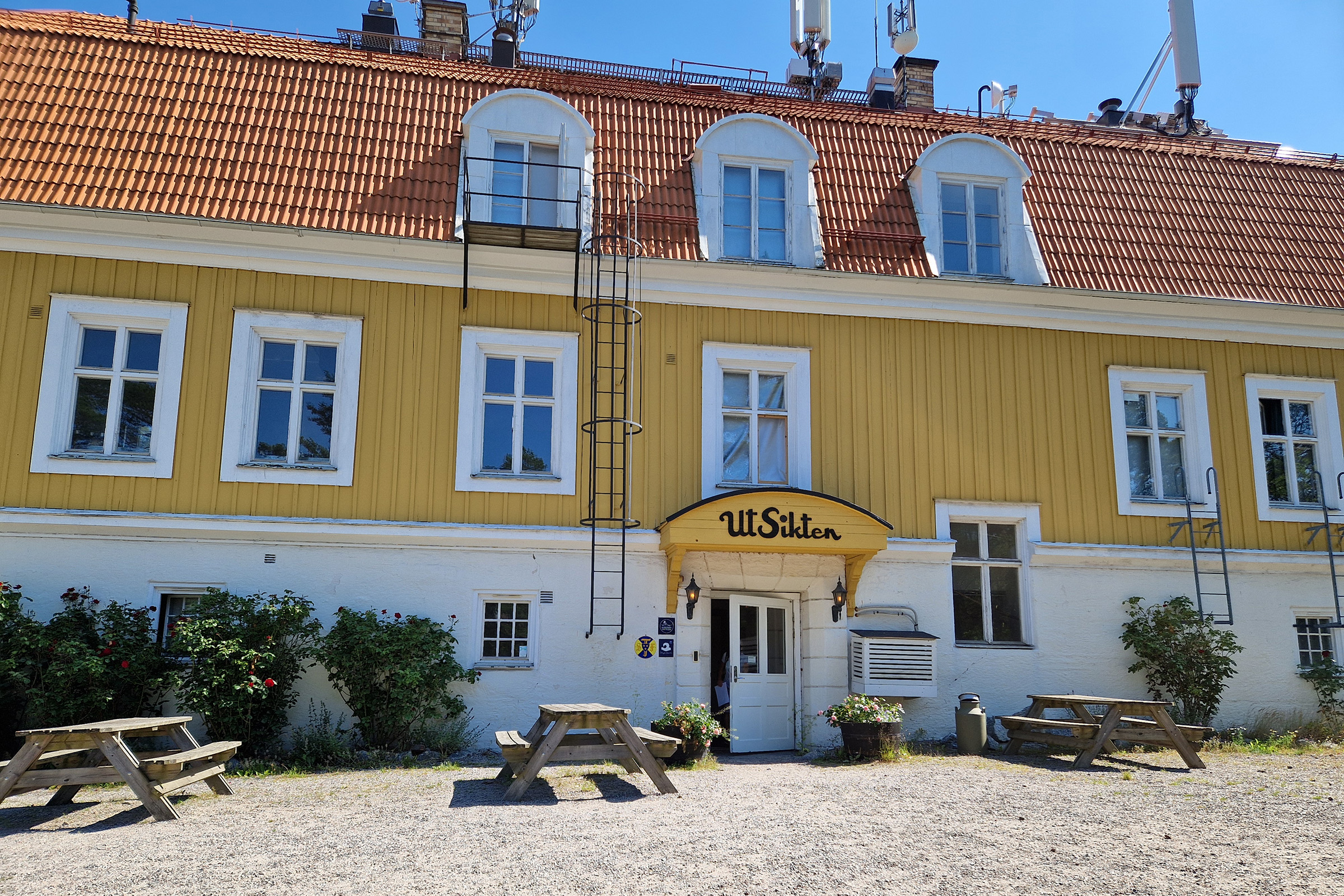
Hostels and simpler rooms. Several islands have lower-cost places to stay, especially if you are happy with a simpler setup and shared facilities.
Utö Värdshus has hostel rooms alongside hotel rooms, and its hostel is open from April to October. A useful budget detail is that guests have access to shared kitchens for self-catering. That makes it easier to keep food costs down as well as room costs. Utö also works well for overnight visitors because the island is large enough to fill a full day, and easy enough to explore by bike.
Svartsö Archipelago Hotel & Hostel is more of a private-room hostel than a classic dorm-based one. That makes it less cheap than some travelers expect from the word “hostel,” but it can still be a practical middle ground if you want a quieter island and do not need hotel-level service. I would avoid locking this paragraph to a specific nightly rate unless you are checking current prices right before publication.
Finnhamn Hostel works well for a one-night stay in the central archipelago. The hostel has a guest kitchen, and breakfast is included for hostel rooms between midsummer and mid-August. That makes Finnhamn one of the easier places to keep overnight costs under control without feeling cut off.
Arholma is also worth considering at the northern edge of the archipelago. Arholma Nord offers simpler rooms and access to a self-catering kitchen, which is exactly the kind of setup that matters on a budget. More remote islands like this take more planning, but that remoteness is often part of the appeal.
Camping. Nåttarö is one of the most natural islands to mention here because camping is a major part of the stay. The island has a campsite with access to toilets and showers, and Storsand is one of the main reasons people go. It is one of the best sandy beaches in the archipelago, and the island also has marked walking paths and a more outdoors-focused feel than many of the inn-and-harbor islands.
Under allemansrätten, wild camping for one or two nights is often allowed if you stay well away from homes and do not disturb anyone. But nature reserves can have stricter local rules, so it is important to check what applies on the specific island before you pitch a tent or light a fire.
Cottages for groups. For three or four people or more, a self-catering cottage can start to make more sense than separate hostel rooms. The kitchen matters as much as the bed price. Once you can cook for yourselves, the total cost of an overnight trip changes quite a bit. Many mid-archipelago islands have self-catering cottages bookable directly or through rental platforms like Qasa or Airbnb.
A note on winter and spring
Summer is the easiest time to visit the archipelago, but it is not the only time that makes sense on a budget.
Late spring, especially May and early June, can be a good-value period. Prices are often lower than in peak summer, and some accommodation has already opened for the season. The trade-off is that ferry schedules are thinner, restaurant hours can be limited, and the water is still cold for swimming. For visitors more interested in walking, quiet, and lower room rates than in warm-weather beach time, this can be a practical window.
Winter is different again. The archipelago does not shut down completely, but it becomes much less visitor-friendly. Waxholmsbolaget still runs year-round, though with a more limited timetable, and many restaurants, cafés, and guesthouses close or reduce their service outside the main season.
That is why Vaxholm works better in winter than most other destinations. It is easy to reach from Stockholm, it still functions as a town rather than only as a summer island stop, and it does not require the same level of planning as places farther out. In winter, it makes sense more as a short outing than a full archipelago day.
If you are visiting Stockholm in winter and want at least a small taste of the archipelago, Vaxholm is the simplest choice. For a broader island trip, spring or early autumn is usually the more practical off-season window.
Practical checklist
Tickets.You can buy Waxholmsbolaget single tickets onboard and pay by Visa or Mastercard. The SL app is also used for planning trips and buying tickets. If your journey goes beyond the SL-valid part of the Waxholmsbolaget network, you will need a separate Waxholmsbolaget ticket.
Timing. In summer, aim to arrive at Strömkajen 20 to 30 minutes before departure, especially on warm weekends. Queues can build quickly. On outer islands and request stops, look for the semaphore at the quay. Raise it when you are waiting for the boat, otherwise it may not stop.
Payment. Sweden is largely cashless, and Waxholmsbolaget ferries are cashless. Visa and Mastercard are accepted onboard. On the islands, cards are the norm too, but American Express is not always accepted, so Visa or Mastercard is the safer choice.
Mobile coverage. Coverage is usually better on inner islands and less predictable farther out. Download offline maps before you leave Stockholm so you are not depending on signal for walking routes or quay locations.
Weather. Even in July, it can feel cool on the water, especially later in the day. Bring an extra layer regardless of how warm Stockholm feels when you leave.
Blue-green algae. In warm, still weather, algae blooms can affect some swimming spots. Sweden’s official bathing-water service publishes current information on water quality, temperature, and algae reports for specific bathing sites. Check before you go if swimming is important to your day.
Where to start
Half day, simplest option: Fjäderholmarna. It is close to central Stockholm, the crossing is short, and you can get a quick feel for the archipelago without committing to a full-day trip. Just keep in mind that Fjäderholmarna is strongly seasonal and not a year-round option in the same way as Vaxholm.
Full day, best value: Vaxholm. SL tickets are valid on Waxholmsbolaget services between Strömkajen and Vaxholm and nearby piers, which helps keep costs down. Bring lunch from Stockholm or buy something simple once you arrive, then spend the day walking the town and enjoying the waterfront
Day trip with more nature: Grinda. It costs more to reach than Vaxholm, but once you are there, the free part of the day is easy to fill with walking, swimming, and time by the water. The Lanthandel near the dock helps keep food costs manageable, which is part of why Grinda works well as a budget day trip. Waxholmsbolaget’s adult single fares currently range from 61 SEK to 186 SEK depending on distance.
Budget overnight: Utö. The hostel, shared kitchen, and bike-friendly layout make it one of the easier islands to manage on a budget if you want to stay overnight rather than just make a day trip.
Shoulder season: Late August and early September are often the easiest lower-cost compromise. Prices are usually lower than in peak summer, ferries are still workable on many routes, and the islands are generally less crowded.
The archipelago does not have to be expensive to feel worthwhile. The main thing is choosing the right island, going at the right time, and keeping food and accommodation costs under control.
All prices reflect 2026 rates. Prices and ticket rules can change. Check current fares and route validity with Waxholmsbolaget and SL before traveling.