Stockholm comes alive in summer. By late June, the sun barely sets, and by 8 pm it’s still light. On summer days you’ll see families picnicking in Tantolunden, ferries departing for the archipelago, and café and restaurant terraces filled with people lingering over fika and dinner. The city’s relationship with water becomes its defining feature, with kayakers gliding past City Hall and swimmers diving off bathing jetties close to the centre.
Summer is Stockholm’s peak season, which means more ferry routes, longer museum hours and packed event calendars. This is also the time when popular tours and events book quickly. If you’re here for a few days it’s easy to feel overwhelmed by options, so here’s what’s genuinely worth prioritizing.
1. Enjoy Stockholm from the water
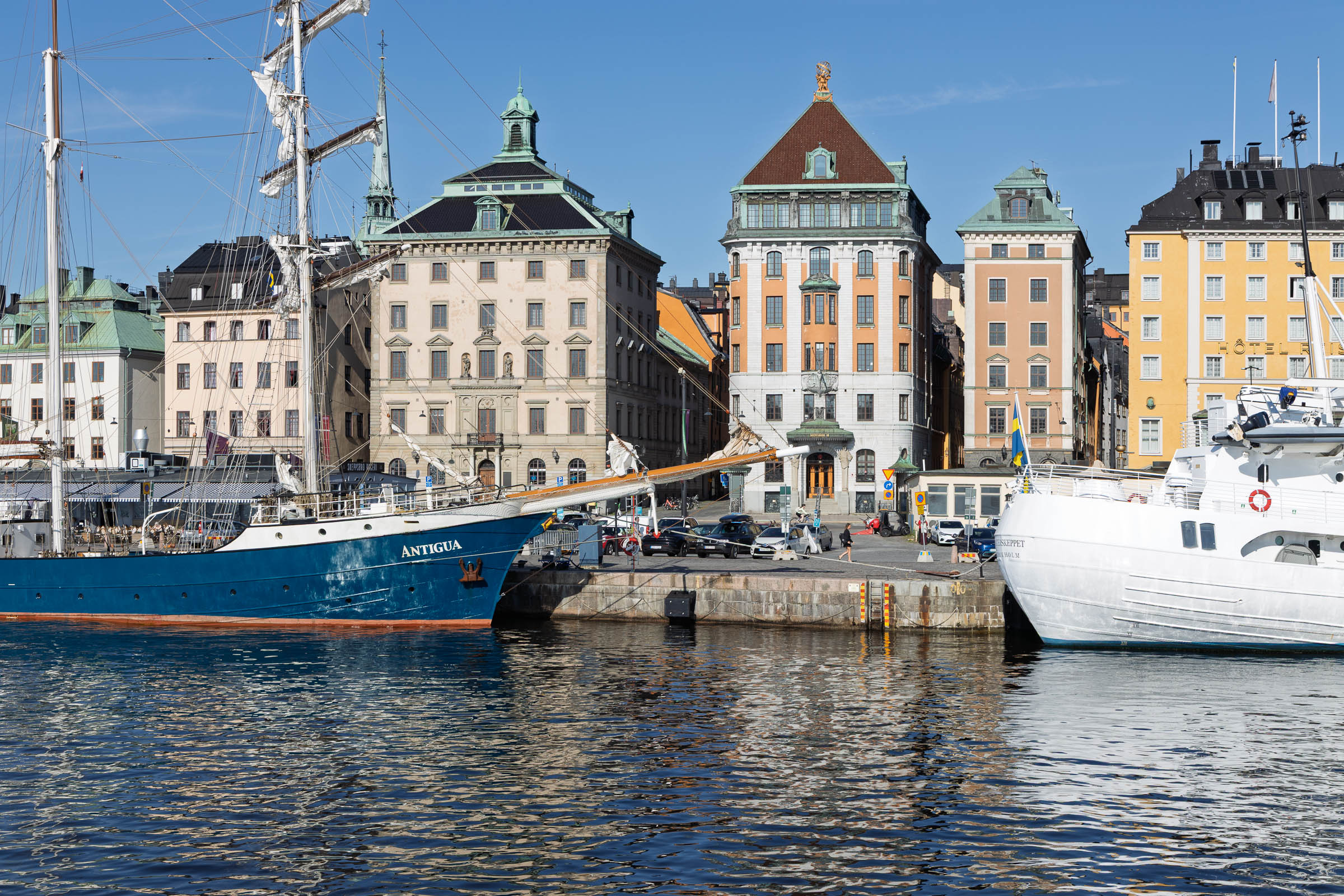
Seeing Stockholm from the water is one of the easiest ways to understand how the city is put together. You’re always close to a shoreline, even in the center, but when you’re walking around it’s easy to forget that Stockholm is built on islands. In summer, the long daylight and milder temperatures, getting out on the water feels simple and genuinely rewarding.
City boat cruises and sightseeing tours
Classic sightseeing cruises take you past central waterfronts, bridges, and canals, and some trips continue into the inner archipelago. In summer, departures are more frequent, and evening cruises can be a really nice way to wind down after a day of walking.
Tip: If you mainly want views rather than commentary, consider using public ferries as “transport with scenery” (often cheaper than a tour).
Kayaking and paddling
Kayaking is a slower, quieter way to experience the city close to the waterline. You can paddle in the water around Södermalm district, Kungsholmen, or Djurgården, and see Stockholm from angles you don’t get on foot. Rentals and guided tours are widely available in the warmer months.
Tip: If it’s your first time kayaking in a city, a guided tour can be worth it. Wind and boat traffic can make some stretches feel more exposed than they look on a map.
Swimming and city beaches
Swimming is a popular summer activity in Stockholm. There are lots of bathing spots, docks, and small beaches where locals jump in for a quick dip, especially on weekends or in the late afternoon and evening when the sun stays up. If you want to do the same, pick a designated bathing area and you’ll usually find ladders and bathing jetties, with smoother entry points.
For detailed swimming spots see our complete Stockholm swimming guide.
Saunas by the water
Outdoor saunas by the water are a genuinely Swedish experience, and there are plenty of options in Stockholm. You can choose saunas by the sea or lakes, and some places also have cold plunge pools. Combining the heat of the sauna with a cold dip is a wellness tradition that’s deeply relaxing, and many people swear it gives you energy afterwards.
Popular Stockholm saunas include Saltsjöbadens Friluftsbad, STHLM Sauna, Tanto Bastu, and Sacred Sauna.
For detailed sauna locations read our complete guide on Stockholm saunas.
2. Visit the Stockholm archipelago
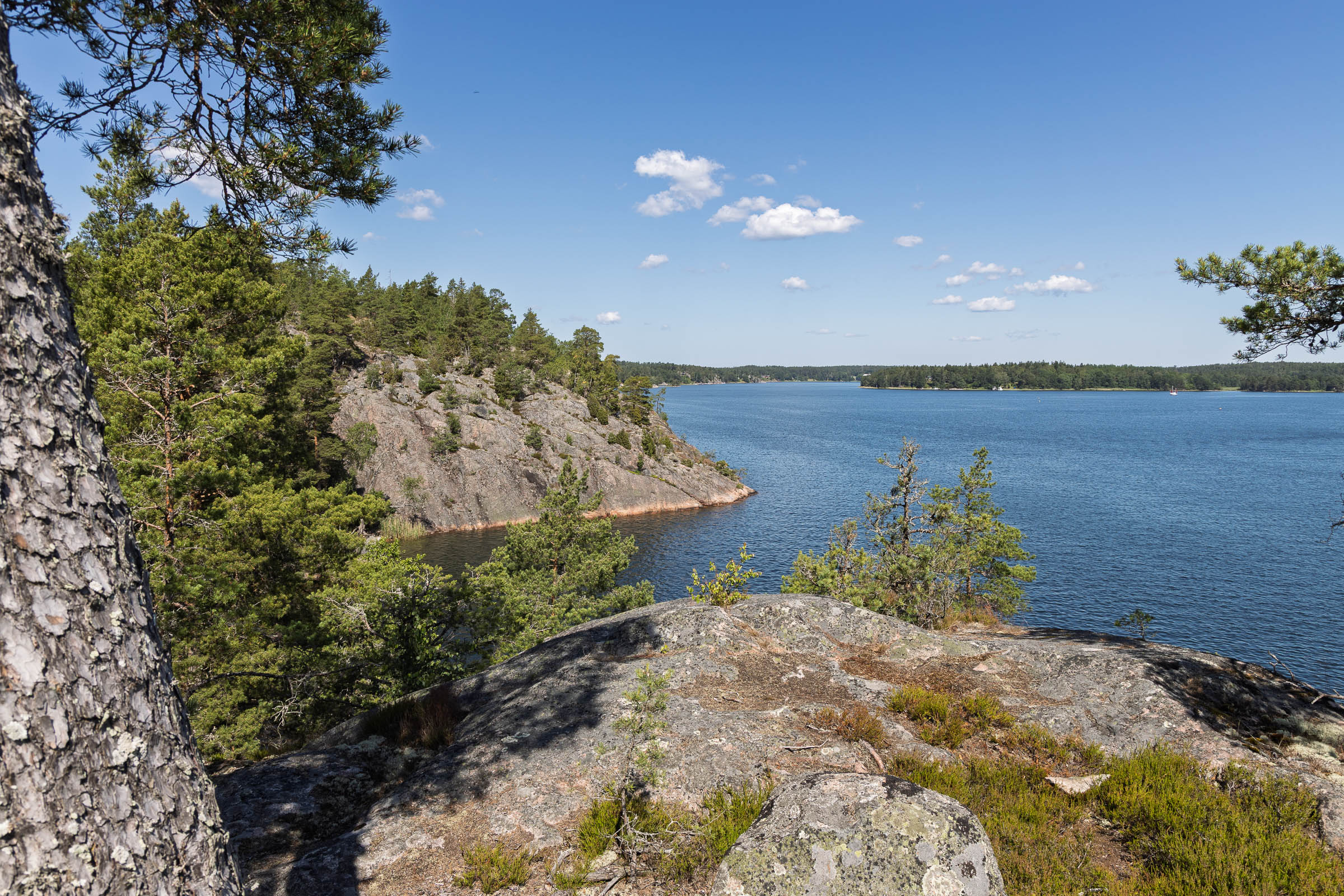
If you have time for one trip outside the city, make it the archipelago. It starts surprisingly close to Stockholm (with Fjäderholmarna being only 30 minutes from the city center) and spreads out into 30,000 islands, islets, and skerries. Although all of them aren’t available for a visit, you still have plenty of options. And summer is the most popular season to do this due to the warm weather, peak accessibility with frequent ferries and long daylight hours.
Public ferries run year-round, but there are usually more departures and more routes in summer, which makes day trips and island hopping much easier.
Day trips to popular islands
For a first visit, pick an island that’s easy to reach and spend the day walking, swimming, and having lunch somewhere by the water. In summer it’s often straightforward to go out in the morning and return in the evening, as long as you check the last boat back.
Good to know: The most popular islands can feel busy on sunny weekends, and boats can fill up, so going on a weekday (or earlier in the day) which are usually less busy.
Where to go: The closest islands are: Fjäderholmarna, Waxholm, Grinda, and Sandhamn
Hike the Stockholm Archipelago Trail
Hiking in the Stockholm Archipelago is a great way to experience the islands’ varied landscapes. The Stockholm Archipelago Trail has 270 km (168 miles) of marked trail across 20 islands. You can do a single day or spend a few days island-hopping. All 20 islands can be reached by public ferries, which makes the logistics surprisingly simple.
For details on hiking in the archipelago, read our guide on the Stockholm Archipelago Trail.
Longer stays and overnight trips
Staying overnight is when the archipelago really slows down. After the day-trippers leave, it gets quieter, and you can take an evening swim, watch the sunset, and wake up to a very different pace than in the city. There are plenty of places to stay, from simple hostels to small hotels and cottages, and summer is when you’ll find the widest range open.
3. Explore Gamla Stan
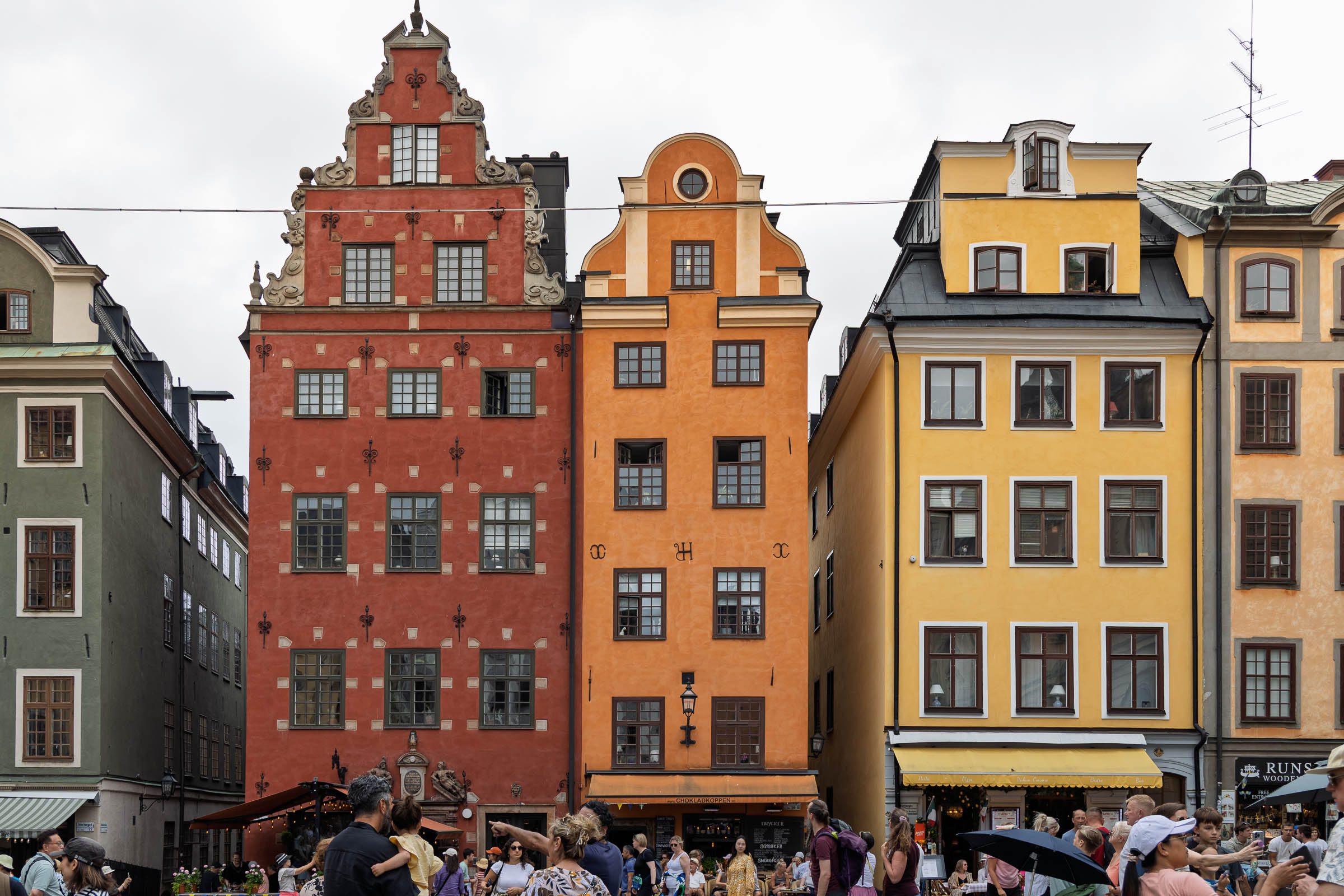
Gamla Stan is Stockholm’s old town, founded in the 1200s. It’s a small area, but it’s packed with narrow lanes, little squares, and the kind of details you only notice when you slow down: worn cobblestones, old shop signs, and quiet courtyards just off the main streets.
In summer this part of the city can feel lively and busy, especially midday. If you want a calmer experience, go early in the morning or later in the evening when the day-trippers thin out.
Historic streets and squares
The best way to do Gamla Stan is simply to wander. Walk a few of the main streets, then dip into the smaller alleys whenever you see a staircase or a narrow passage. Stortorget is the classic square to aim for, with colourful buildings and plenty of outdoor seating nearby.
Quick tip: If one street feels crowded, take the next side alley. Gamla stan is full of little shortcuts that are quieter and more photogenic.
The Royal Palace area
The Royal Palace sits right at the edge of Gamla Stan, so it’s easy to combine with your walk. In summer you can often catch the Changing of the Guard with a full parade and military band, which runs daily from 23 April to 31 August.
The palace also runs seasonal tours and events, so it’s worth checking what’s on if you’re nearby.
4. Discover Djurgården: museums, gardens, and parks
Djurgården is one of those places that give you the feeling of being on a like a weekend trip by itself, even though it’s right next to the city centre. It’s packed with big-ticket museums, but it’s also part of Stockholm’s Royal National City Park, so between sights you’re walking through lawns, trees, and waterfront paths.
Summer is ideal because you can take things slowly: museum for an hour or two, then a long walk, then a coffee in the garden, then a stop at a restaurant or café
Vasa Museum and other major museums
The Vasa Museum is the classic Djurgården starting point. It’s home to the Vasa warship (launched in 1628) and it’s open daily year-round (with a couple of holiday closures).
It also works well as a break if the day is hot or rainy, since you get a proper indoor reset before heading back out.
Good to know: It’s popular in summer, so expect queues at peak times.
Outdoor gardens and sculpture parks
Rosendals Trädgård is an easy way to add something softer and slower to a museum-heavy day: gardens, greenhouses, and a café that’s made for sitting outside when the weather behaves. It can get busy on sunny weekends, though, so go earlier if you can.
Princess Estelle’s Sculpture Park is nearby and is a nice “walk-and-look” stop rather than a full activity. It’s free and open all day, all year, so you can just pass through and see what catches your eye.
Gröna Lund amusement park
Gröna Lund is Stockholm’s waterfront amusement park, with a long history (it dates back to 1883) and a very summer-focused feel.
They have several thrilling roller coasters and rides, and it’s worth knowing about the concert program. In summer, the park hosts around 50 live concerts, and on some nights it gets very crowded.
5. Visit open-air museums and gardens
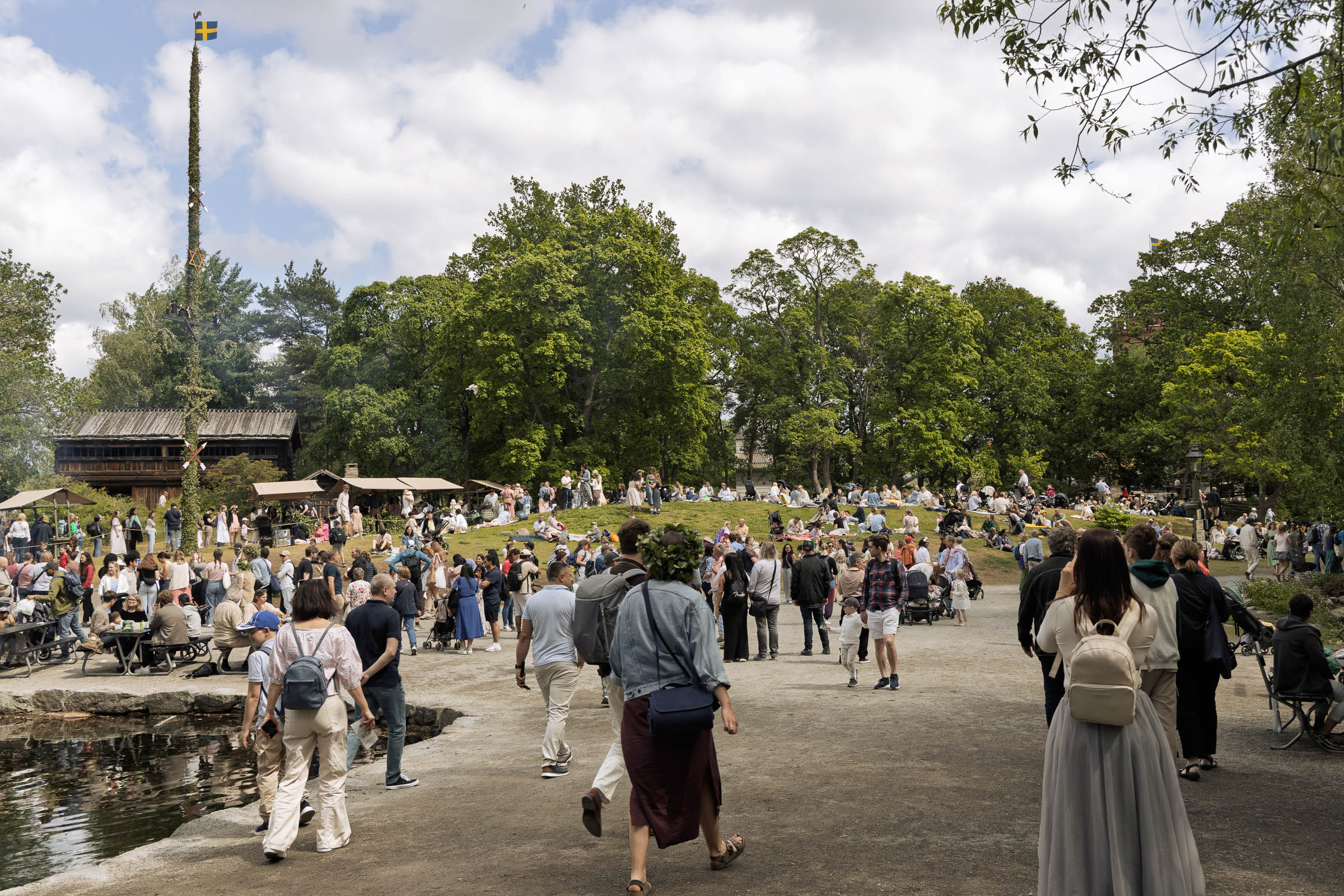
For a break from “city mode” without leaving Stockholm, open-air museums and gardens offer exactly that: space, greenery and history at a slower pace.. You get a mix of history, nature, and small details you’d otherwise miss, and in summer there’s often something extra going on (craft demos, seasonal exhibitions, outdoor cafés).
Skansen open-air museum
Skansen is the classic choice: historic buildings from around Sweden, traditional crafts, and a strong “living history” feel. It also has a zoo with Nordic animals and Swedish heritage breeds, plus viewpoints over the city from the hillier parts of the park.
Good to know: Skansen is big and can be busy in summer. If you’re short on time, pick one area (the open-air museum or the animals) instead of trying to do everything in one go.
Torekällberget (day trip)
Torekällberget is an open-air museum in Södertälje, built like a small 1800s town and countryside in one place. It’s calmer than Skansen, with old houses, workshops, and farm animals from traditional Swedish breeds.
It makes a relaxed half-day or day trip if you want something a bit different from central Stockholm.
Millesgården sculpture park
Millesgården (on Lidingö) is the former home and studio of sculptor Carl Milles, turned into a museum with terraces, fountains, and a sculpture park looking out over Stockholm’s inlet. It’s a great “slow afternoon” place: art outdoors, views, and plenty of benches for a break.
Bergianska trädgården botanical garden
Bergianska Trädgården is a botanical garden by Brunnsviken (just north of the city center) with outdoor collections and two main greenhouses (the Edvard Anderson Conservatory and the Victoria House, which is open in summer).
It’s ideal for a quiet walk, and you can bring your own picnic, but you’re asked to eat only in the dedicated picnic/rest areas shown on the garden map.
6. Explore royal residences and castles
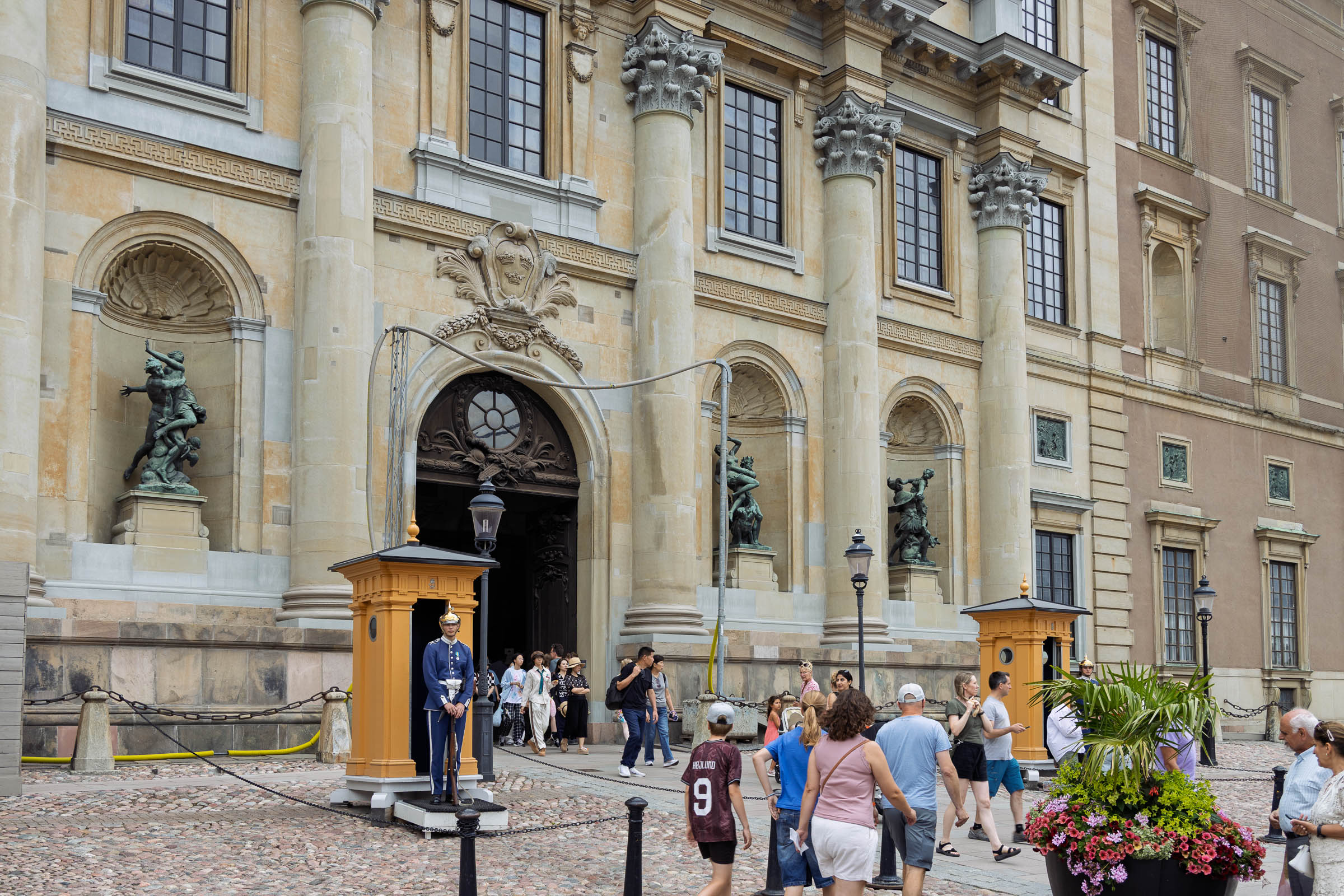
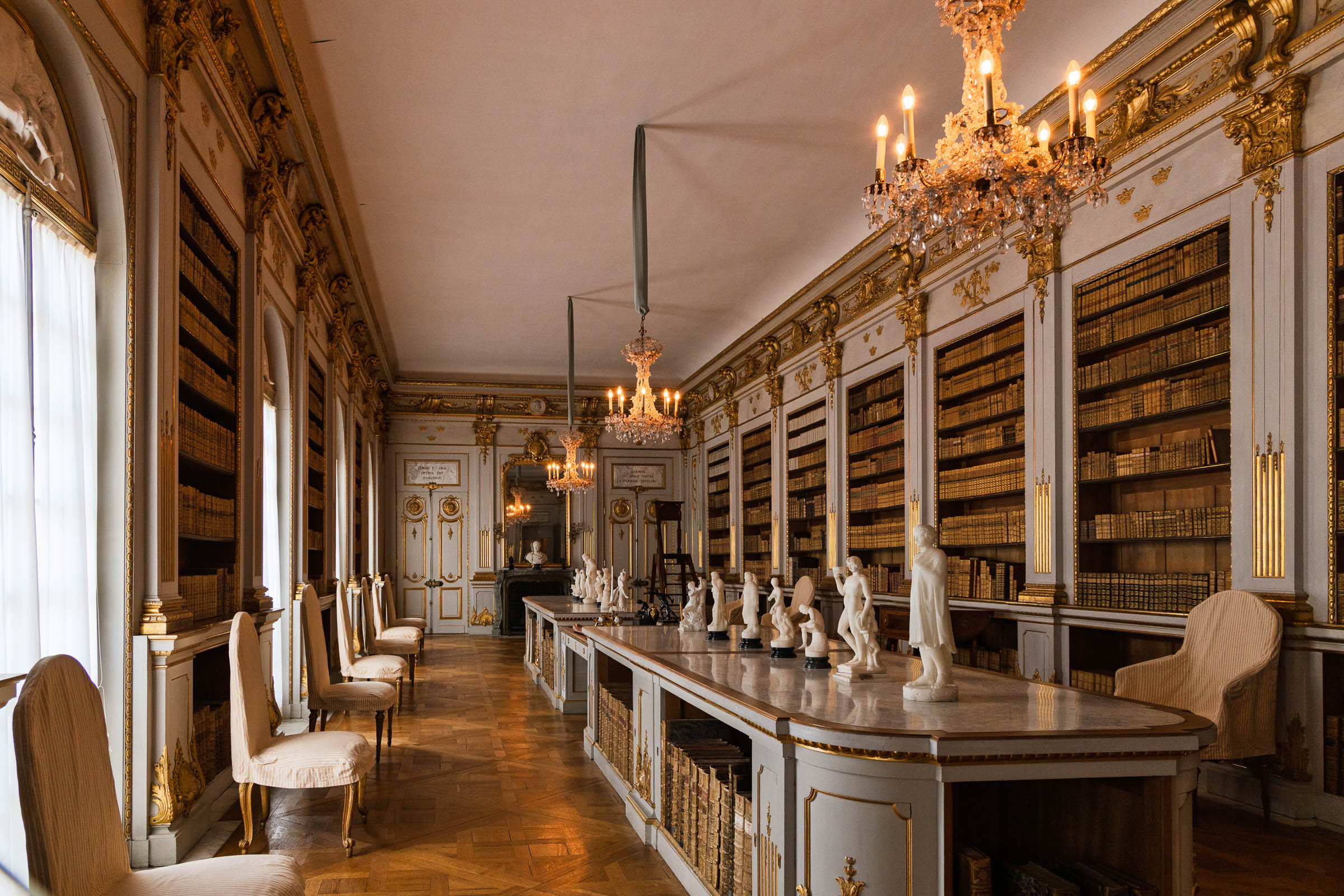
For a classic Swedish “day out”, a palace day is hard to beat: a bit of history, a bit of architecture, and then a long walk in a park when you’ve had enough interiors. Summer makes this much easier because several royal sites have their longest opening seasons then.
A bonus: the royal palace parks are open every day of the year, 24 hours a day, so even if you don’t go inside, you can still go for a walk and get the atmosphere.
Drottningholm Palace and the Chinese Pavilion
Drottningholm is the big one, and it’s worth it if you like grand buildings and gardens. The Royal Domain of Drottningholm is a UNESCO World Heritage Site.
The palace is open to visitors much of the year, but opening days and hours change with the season, and there can be winter closures (so it’s smart to check the official page before you go).
The Chinese Pavilion is more seasonal. It’s open during the summer months, we recommend listening to the self guided audioguide as you walk through the rooms of the Chinese Pavilion, so don’t forget to bring a pair of earphones.
Other royal castles for day trips: Gripsholm, Tullgarn, and Rosersberg
These are all doable as day trips, and they each have a slightly different feel:
Gripsholm Castle (Mariefred)
This is the one for portraits and “classic castle” atmosphere. Gripsholm is home to the Swedish National Portrait Gallery, which is considered the world’s oldest national portrait gallery.
Location: In Mariefred by Lake Mälaren, about 70 km (43 miles) west of Stockholm.
Availability: Open May–November, and also around Epiphany and Easter weekend. Daily guided tour in English May–Sept.
Tullgarn Palace (near Trosa)
Tullgarn Palace feels like a proper summer palace: a bit more relaxed, with a park that’s genuinely part of the visit (long avenues, picnic-friendly, easy to combine with a slow walk). It was also the summer palace of King Gustaf V and Queen Victoria, so a lot of the story is tied to late-1800s and early-1900s royal life.
Location: Near Trosa in Södermanland, roughly 67 km (42 miles) south of Stockholm.
Availability: Open during the summer months, and the palace is visited in conjunction with guided tours.
Rosersberg Palace (near Arlanda)
Rosersberg is for people who like interiors and “time capsule” places. Many rooms are described as almost untouched from 1795–1825, which gives it a distinct Gustavian/early Bernadotte feel (less grand, more lived-in).
Location: North of Stockholm, not far from Arlanda, roughly 36 km (22 miles) from central Stockholm.
Availability: Open during the summer months, and (as you wrote) it’s open in conjunction with guided tours.
7. Experience Stockholm’s parks, nature reserves, and viewpoints
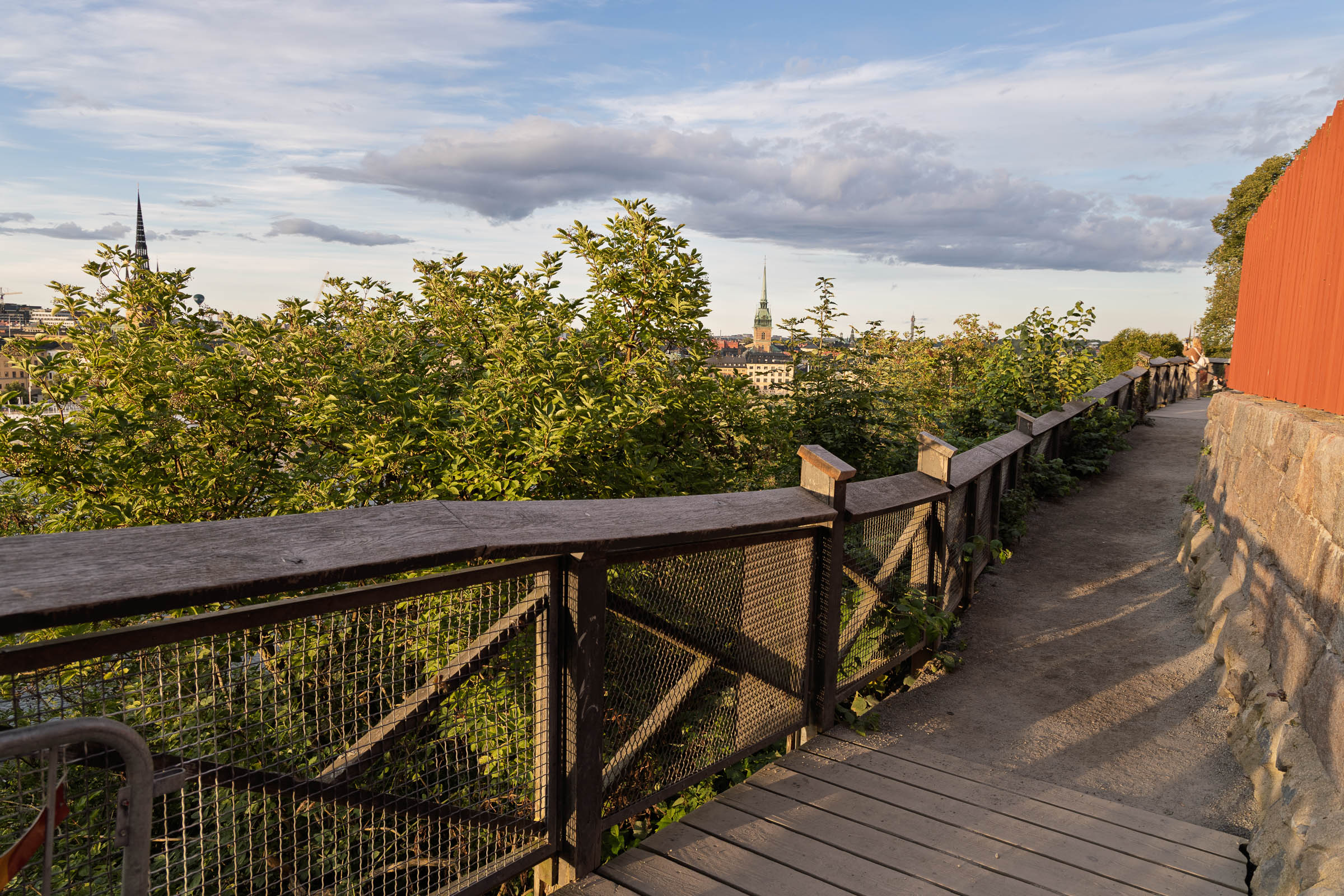
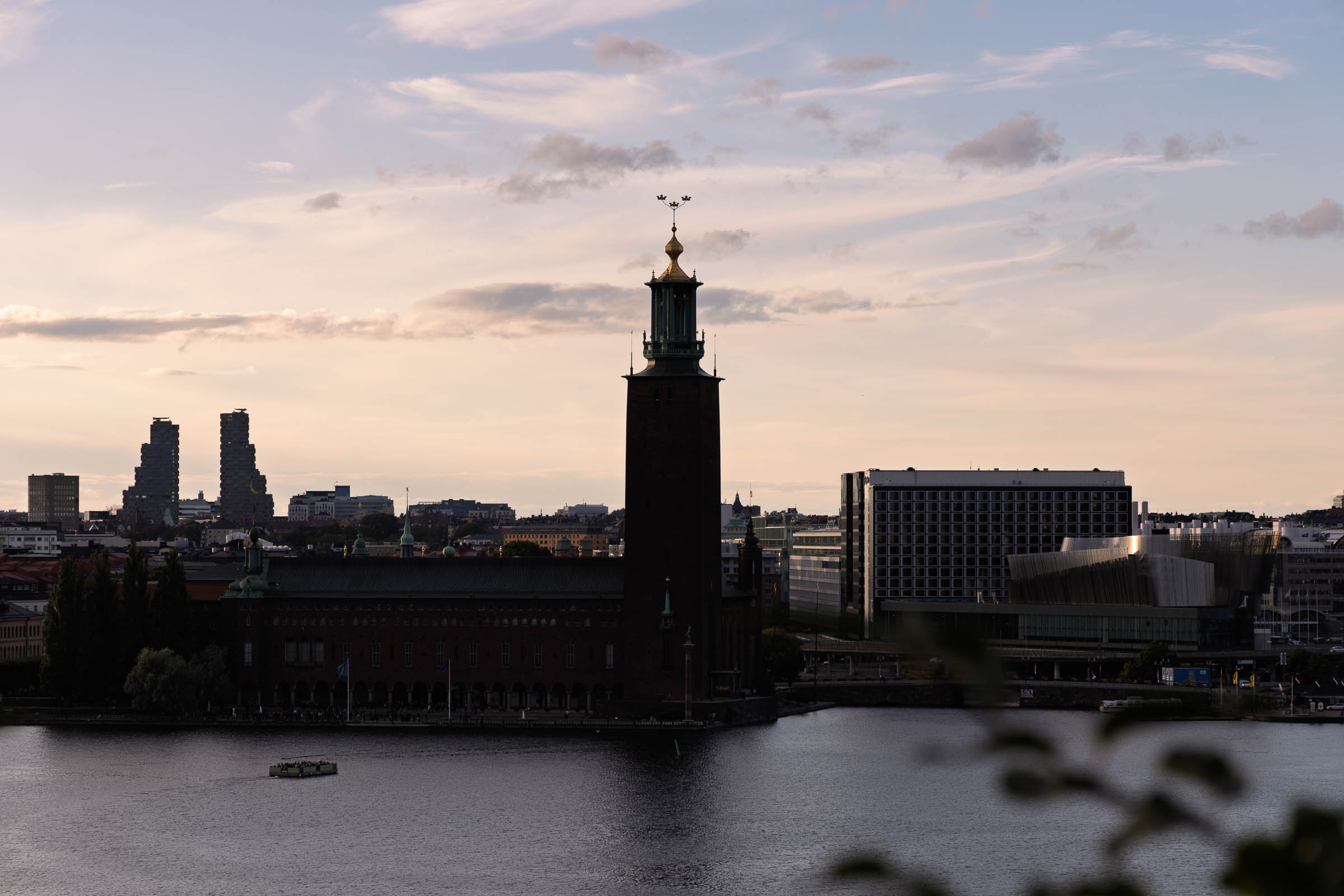
Green space is a big part of Stockholm life, and summer is when it really makes sense. On a warm day, it’s completely normal to pick up something simple to eat, find a patch of grass, and stay out longer than you planned (the evenings can feel surprisingly long). If you mix a park stop with a viewpoint, you get both the relaxed side of the city and the postcard views.
Central parks and picnics
Stockholm has plenty of parks, but these are especially popular in summer:
- Tantolunden (Södermalm): a classic spot for picnics and summer hanging out, with lots of activity around the park in warm weather.
- Rålambshovsparken (Kungsholmen): more of an “activity park”, with games, casual sports, and a great view over Riddarfjärden (and you can even swim nearby in Lake Mälaren).
- Humlegården (Östermalm): a central, leafy park that works well when you want something calmer and shaded.
- Hagaparken (Solna): bigger and more “out-of-town” in feel, even though it’s just north of central Stockholm. It’s part of the Royal National City Park and is great for long walks.
Essential tip: If you’re visiting on a sunny Saturday, parks can be busy. Going earlier in the day (or on a weekday) tends to feel more relaxed.
Monteliusvägen viewpoint
Monteliusvägen is a short walking path on Södermalm (about 500 meters or 1,600 feet) with one of the best panoramic views over the water and central Stockholm, including City Hall and Riddarholmen. Sunrise and sunset are the obvious times to come, but even in the middle of the day it’s worth it if you want an easy, high-impact view.
Good to know: At sunset it can get quite crowded, so if you want photos without people, aim for early morning.
Nature reserves
Stockholm has several nature reserves with trails and good hiking close to the city. Nature escapes such as Årsta Forest Nature Reserve, Tyresta National Park, Nacka Nature Reserve are all accessible in under an hour from central Stockholm.
8. Explore the city by walking and cycling
Stockholm is very walkable, especially in the central areas. In summer, the long daylight makes it easier to explore without feeling rushed. When your feet tire, a bike lets you glide between neighborhoods at a pace where you can still read café menus, spot interesting shops, and pull over for spontaneous detours.
Guided walking tours (tip-based and paid)
A guided walk is a simple way to get your bearings on day one. Tours often focus on Gamla stan, the city’s main highlights, or more niche themes. In summer you’ll find plenty of options in English and other languages.
You’ll also see “free walking tours”, but they’re usually tip-based: you decide what to pay at the end.
Paid small-group tours are often a bit calmer (and can be better if you prefer a more structured experience).
Quick tip: Even for tip-based tours, it’s smart to book ahead online in high season.
Cycling and e-bikes / e-scooters
Cycling is a practical way to move between neighbourhoods, especially for places like Djurgården and the waterfront routes. Stockholm has many bike lanes and shared paths, but they’re not perfectly continuous everywhere, so expect a few sections where you need to slow down and mix with other traffic.
If you use an e-scooter, remember that in Sweden it’s treated much like a bicycle: you should ride on cycle paths where possible, not on sidewalks, and you need to be extra careful in pedestrian-heavy areas.
In walking-speed areas and pedestrian streets, you must ride at walking pace and give way to people on foot.
In Stockholm, parking rules are stricter now: scooters should be parked in designated scooter parking spaces or regular bike racks, and the city can remove scooters left in the way.
9. Get a taste of Swedish summer food, fika, and ice cream
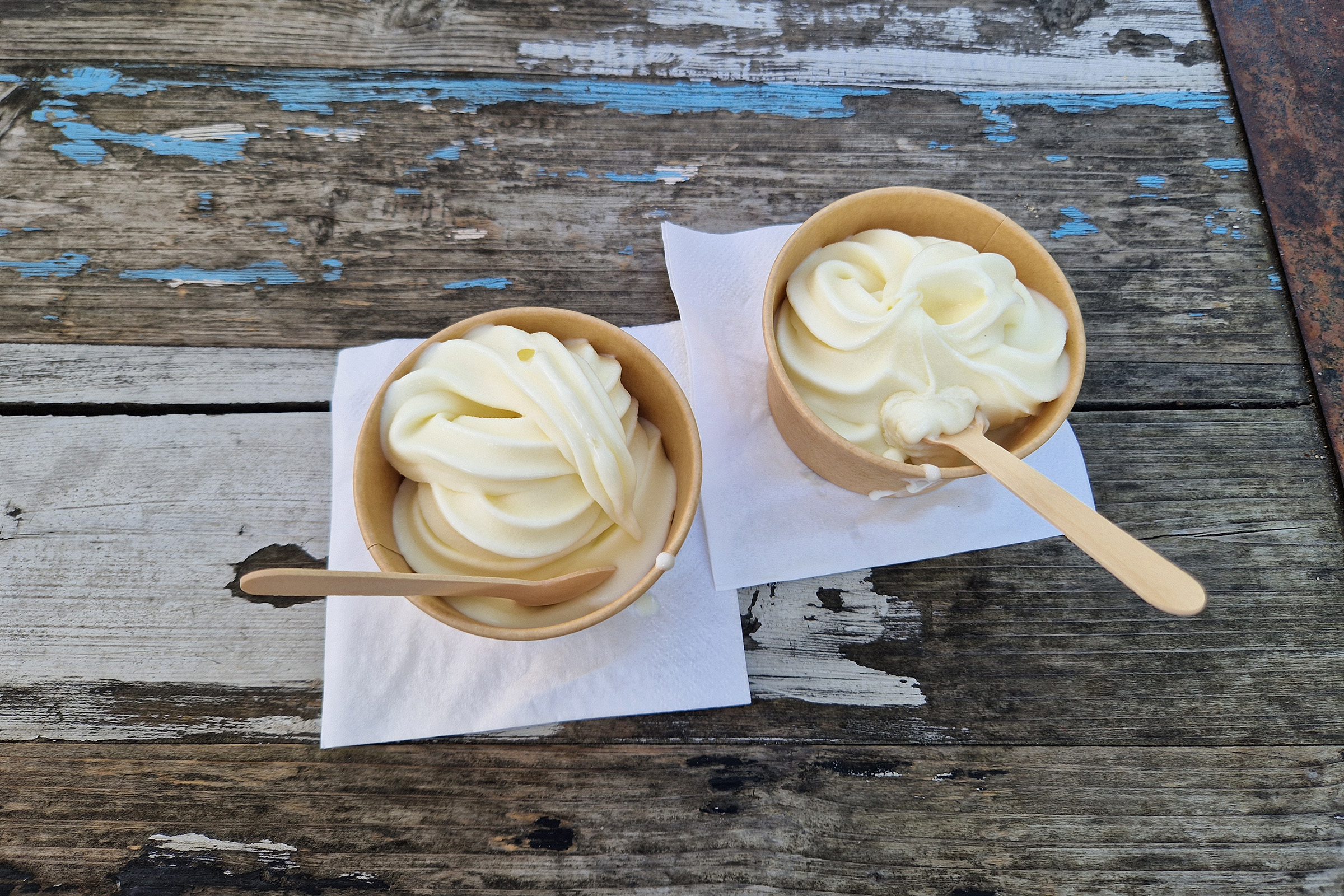
Eating outside is a big part of Stockholm summer. When the weather is good, terraces fill up fast, parks turn into picnic spots, and even a simple coffee break can feel like an activity. It’s a nice way to slow down between museums and sightseeing, especially on long, bright evenings.
Fika at outdoor cafés and terraces
Fika is the Swedish habit of taking a proper coffee break, usually with something sweet on the side. In summer, cafés put out outdoor seating and people linger with coffee, pastries, and light lunches.
If you want that classic “Stockholm summer” feeling, aim for cafés near:
- parks (easy for a walk + coffee combo)
- waterfronts (more views, but also more competition for seats)
- quiet residential streets (often calmer than the main tourist areas)
Good to know: On sunny weekends, outdoor tables can be hard to get, especially at popular places. If you want a specific restaurant, it’s best to book ahead. Otherwise, going a little earlier (or choosing a weekday) makes it much easier to find a table without a reservation.
Ice cream and gelato spots
Ice cream is one of the simplest summer rituals here. You’ll see people walking with cones along the water, sitting on a bench with a cup of gelato, or grabbing something quick before a ferry.
If you want an easy “where should we look?” guide, these areas tend to have lots of options and nice places to eat your ice cream outside:
- Södermalm: lively streets plus viewpoints and parks nearby
- Gamla stan / City center: convenient when you’re already sightseeing (can be busy)
- Djurgården: idyllic for an ice cream break between museums and long walks
- Vasastan: more local feel, fewer crowds compared to the old town
Read our guide on where to find the best ice cream in Stockholm.
Rooftop bars
Outdoor rooftop bars are especially popular in summer evenings. Grabbing a drink with friends above the rooftops, with views over the city, is a classic way to spend a summer night in Stockholm.
Some popular rooftop bars with outdoor terraces include:
- Stockholm under Stjärnorna: a rooftop park with bars, events and concerts.
- Pelago: a summer restaurant with a rooftop bar overlooking Slussen.
- Takpark by Urban Deli: a popular roof terrace with cocktails and views.
- Freya + Söder: a rooftop terrace paired with a modern Swedish restaurant.
10. Experience summer events, live music, and festivals
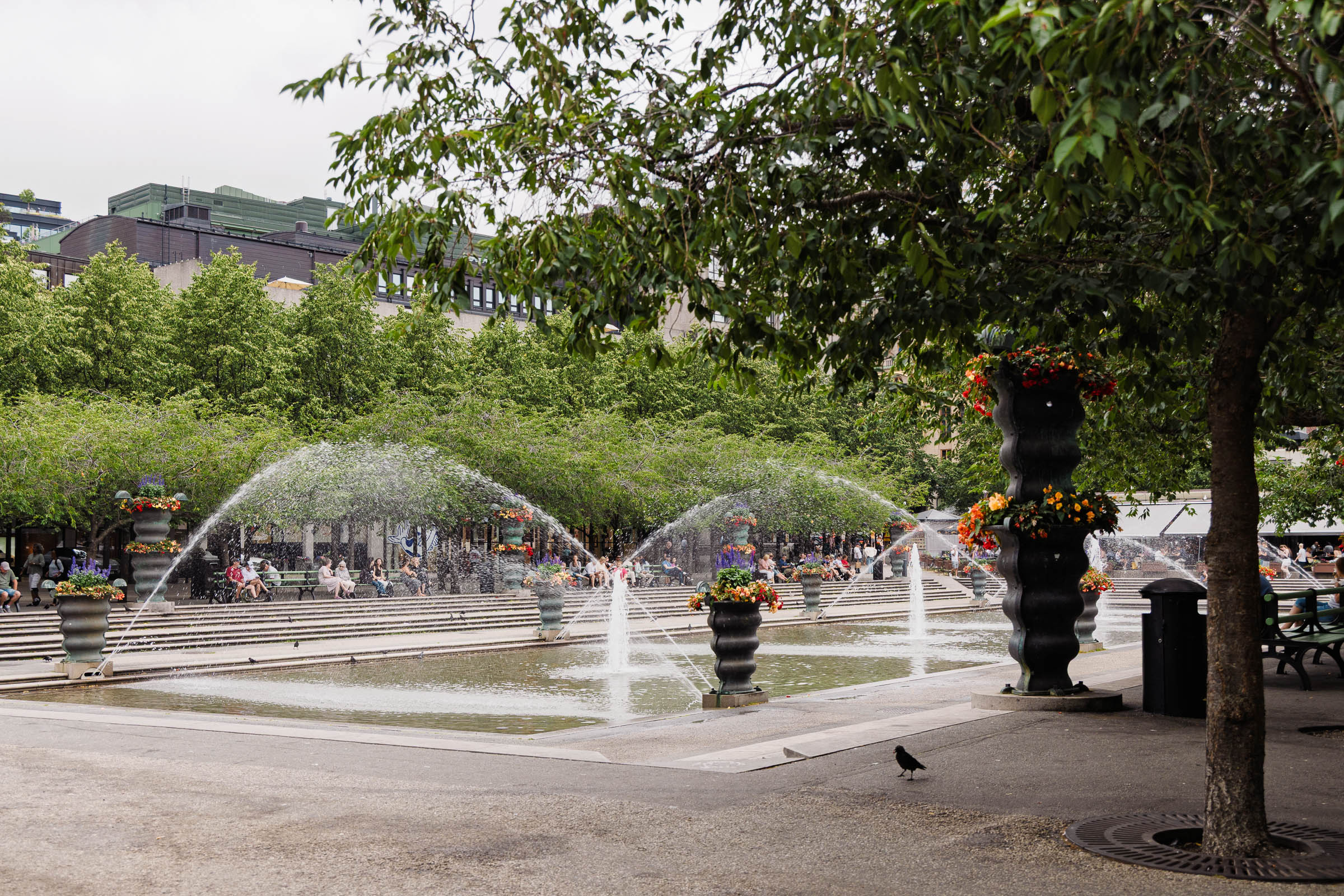
Stockholm gets noticeably more “outdoorsy” in summer, and that includes the cultural calendar. On warm evenings you’ll often stumble into live music, dance, or pop-up events just by walking through the centre. Some of it is ticketed, but a surprising amount is free.
Outdoor concerts and performances
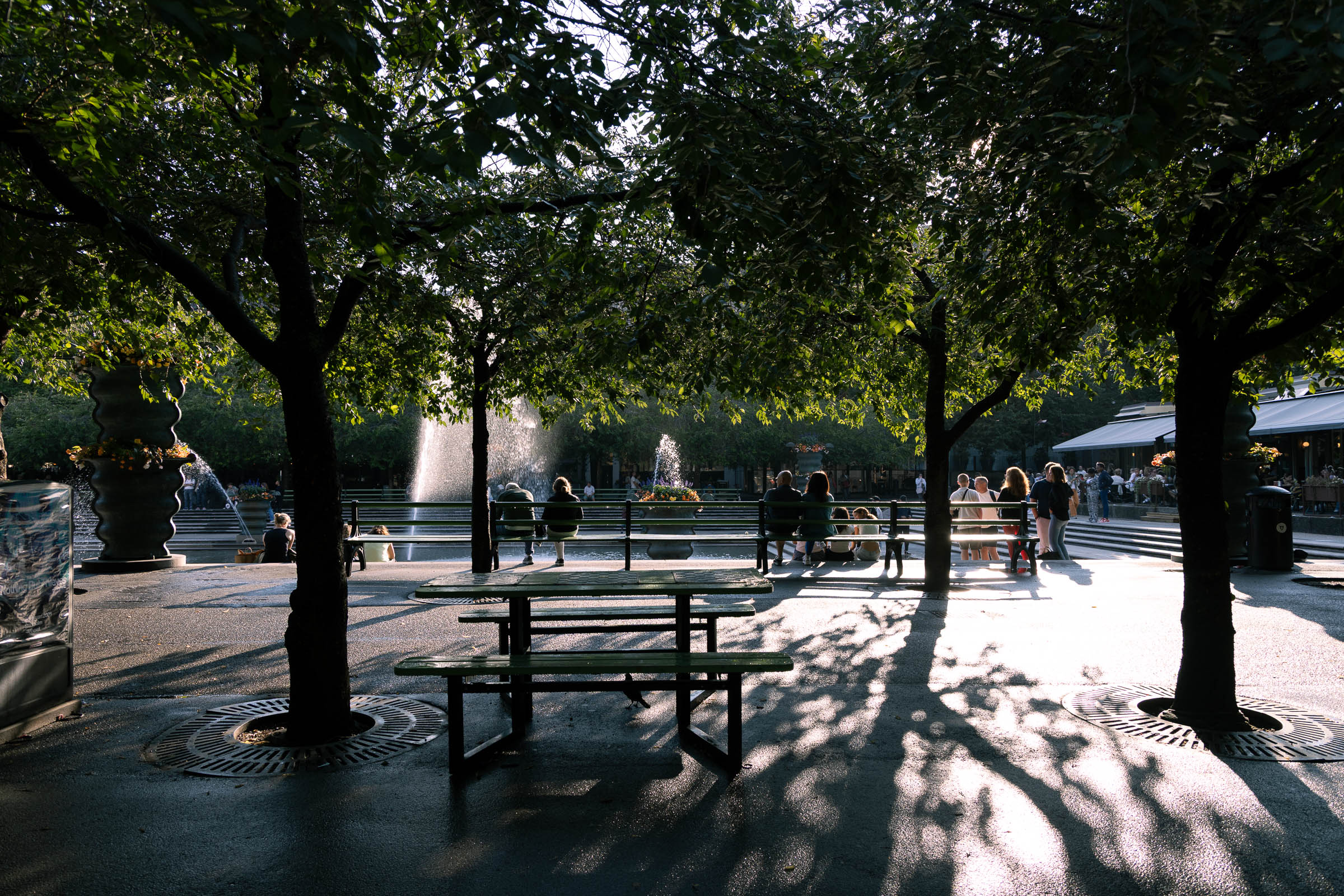
Kungsträdgården is one of the main outdoor stages in central Stockholm. It regularly hosts concerts, festivals, exhibitions, and other events, and the easiest way to see what’s coming up is the park’s own calendar.
Gröna Lund is the bigger “headline concert” option. Their Grönan Live program runs through summer and includes 50+ concerts across genres.
Just note that these concerts aren’t free: you’ll need entry to the amusement park (and some nights get very crowded, so arriving early matters). 
If you’re looking for something simpler and budget-friendly, the Park Theater is a great one to know about. It’s a city-run program of free outdoor theatre, music, and dance performances across different parks each summer.
Stockholm Culture Festival and other city festivals
The Stockholm Culture Festival is a highlight if you’re here in August. It’s held in central Stockholm, runs for about five days, and has free entry.
The festival is typically in mid-August, but exact dates vary each year.
Beyond that, summer is full of smaller neighbourhood events, food markets, and one-off concerts. If events matter to your trip, it’s worth doing a quick check a week or two before you arrive so you catch what’s actually on.