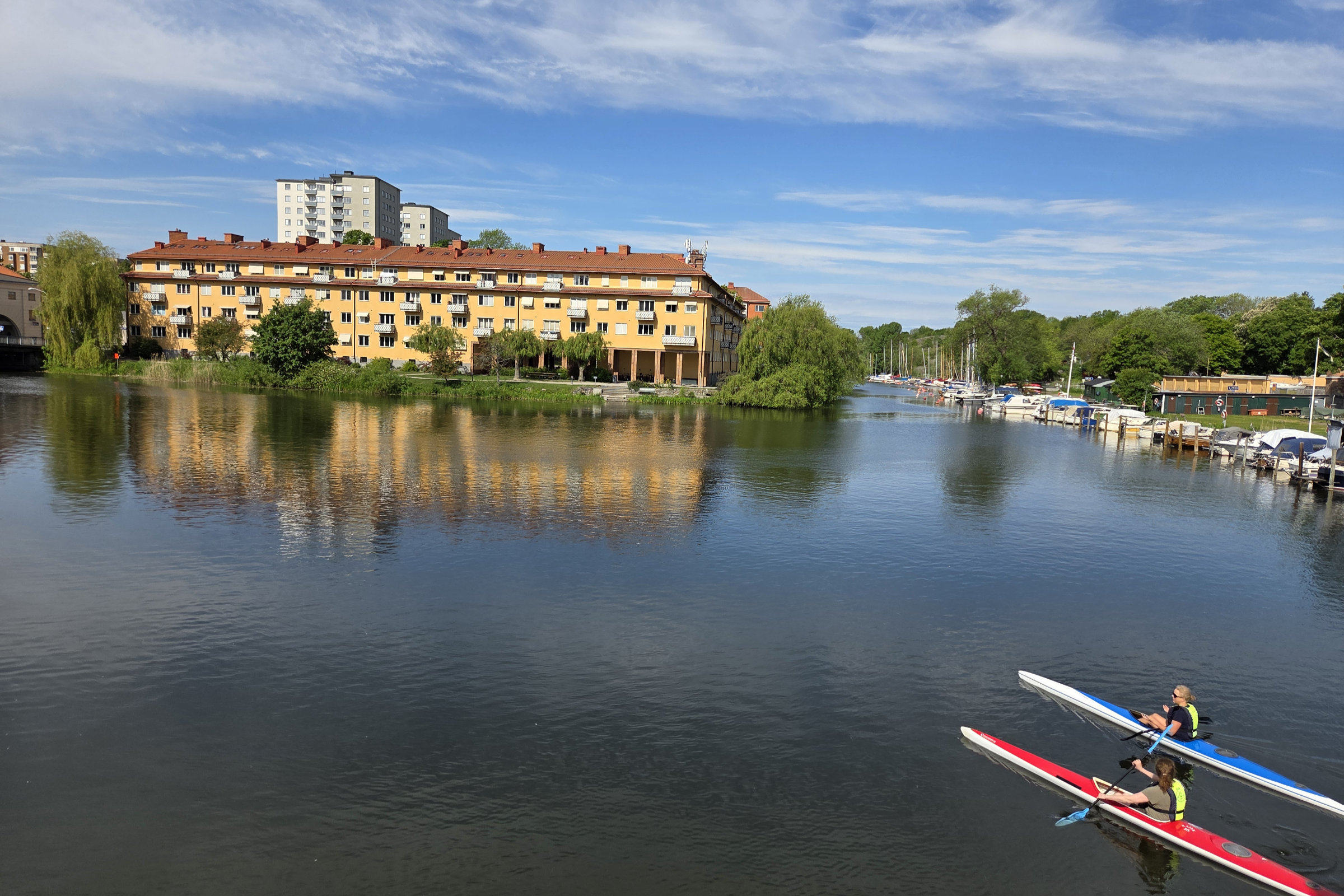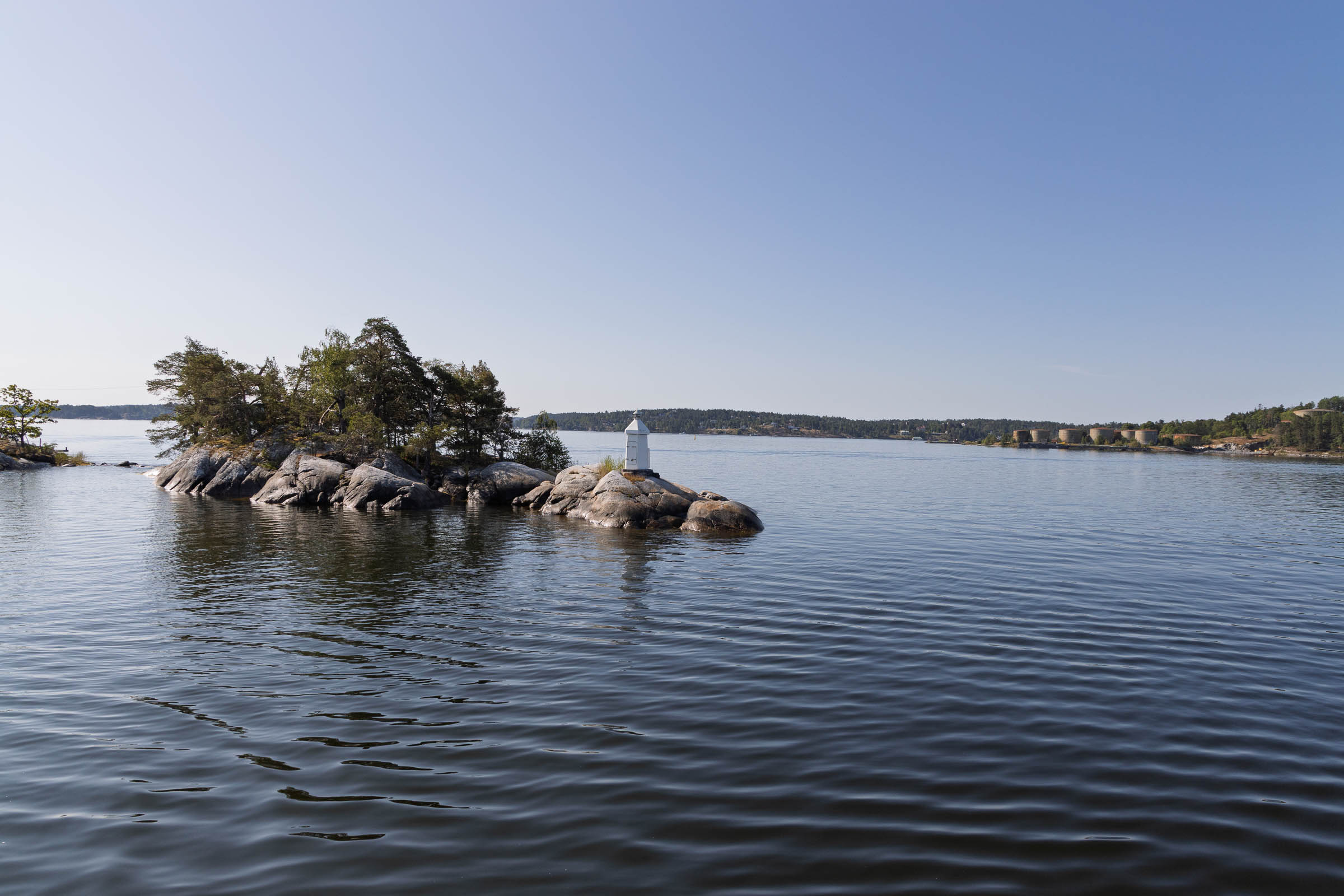
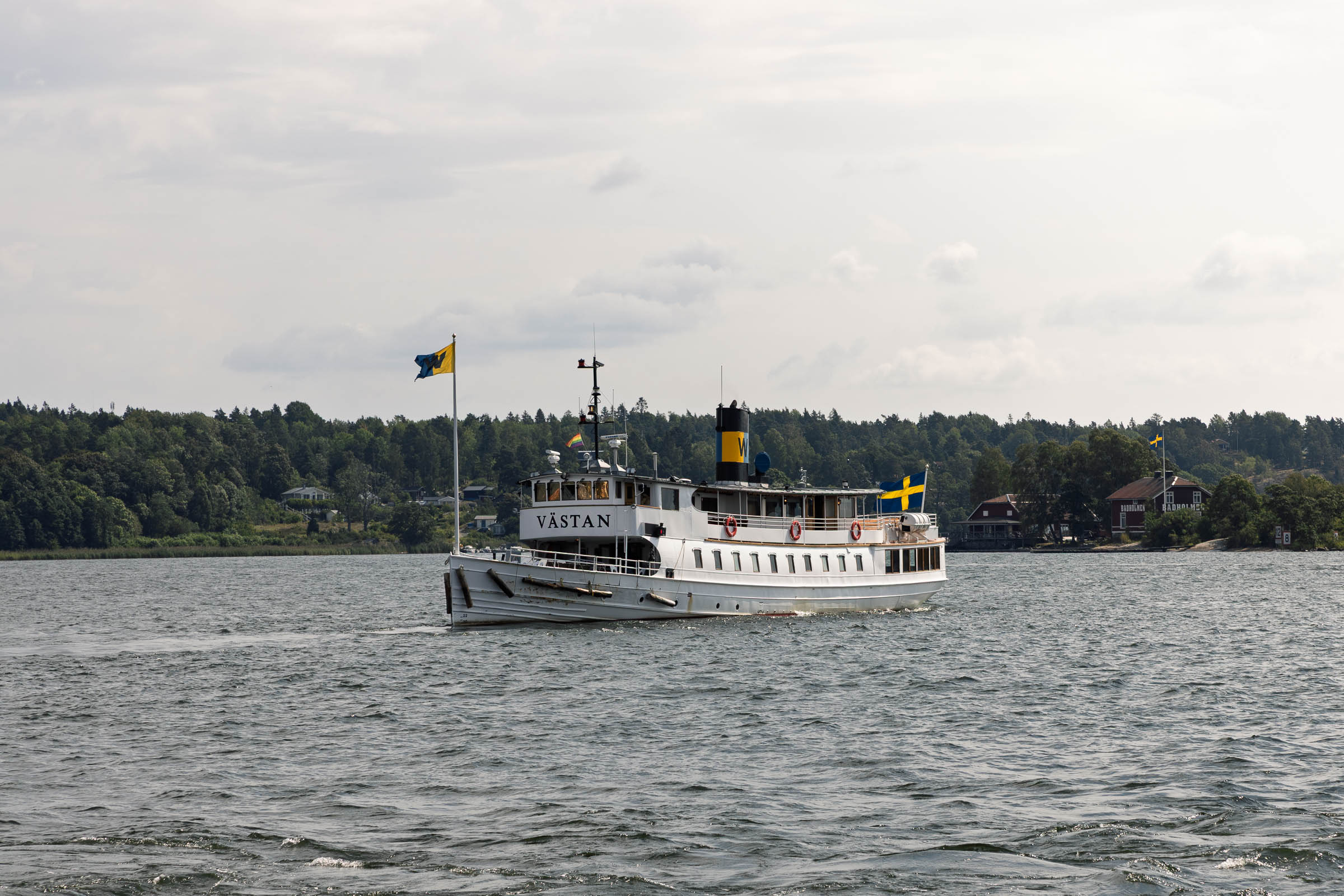
Four days in Stockholm is enough time to move through the city at a reasonable pace and still get out of it. The first three days cover the parts that matter most for a first visit: Gamla Stan’s medieval alleyways, the museums and gardens of Djurgården, the views from Södermalm’s ridge, and the neighborhoods in between. The fourth day follows the Waxholmsbolaget ferry northeast through the inner archipelago to Vaxholm, an old fortress town where the wooden streetscape and harbor lunch are worth the early start.
This itinerary is based at the Mornington Hotel on Nybrogatan in Östermalm, a mid-range hotel with good transit connections and a short walk to both Nybroplan and Strandvägen. If you’re arriving on the morning of Day 1, you can leave your bags at the hotel and head straight out.
If you have fewer days, see our one-day, two-day, and three-day itineraries.
What to book in advance
This itinerary is based at the Mornington Hotel in Östermalm. Any central hotel with good metro connections works just as well as a starting point.
Some restaurants and activities book up quickly, especially from June and August. These are the ones worth arranging before your trip:
- Mornington Hotel (all four nights), alternatively another hotel in Östermalm or another central area
- Freyja + Söder (Day 1 dinner), often booked up weeks ahead in summer
- Royal Palace guided tour (Day 1), same-day tickets are sometimes available, but not guaranteed
- DoMa (Day 2 dinner)
- Woodstockholm (Day 3 dinner), popular restaurant all year round, book at least 2-3 weeks ahead
- Lunch in Vaxholm (Day 4), if you want a harborfront table in summer, June–August
- Sturehof (Day 4 dinner), large restaurant, but still best booked ahead
- Kvarnen (Day 4), for dinner book ahead the week before
The Stockholm City Hall guided tour (Day 3) is offered in English every hour, and advance booking is not required. Check the Stockholm City Hall website for current times before you go.
Day one: Östermalm, Gamla Stan, and the Royal Palace
Morning: Östermalm
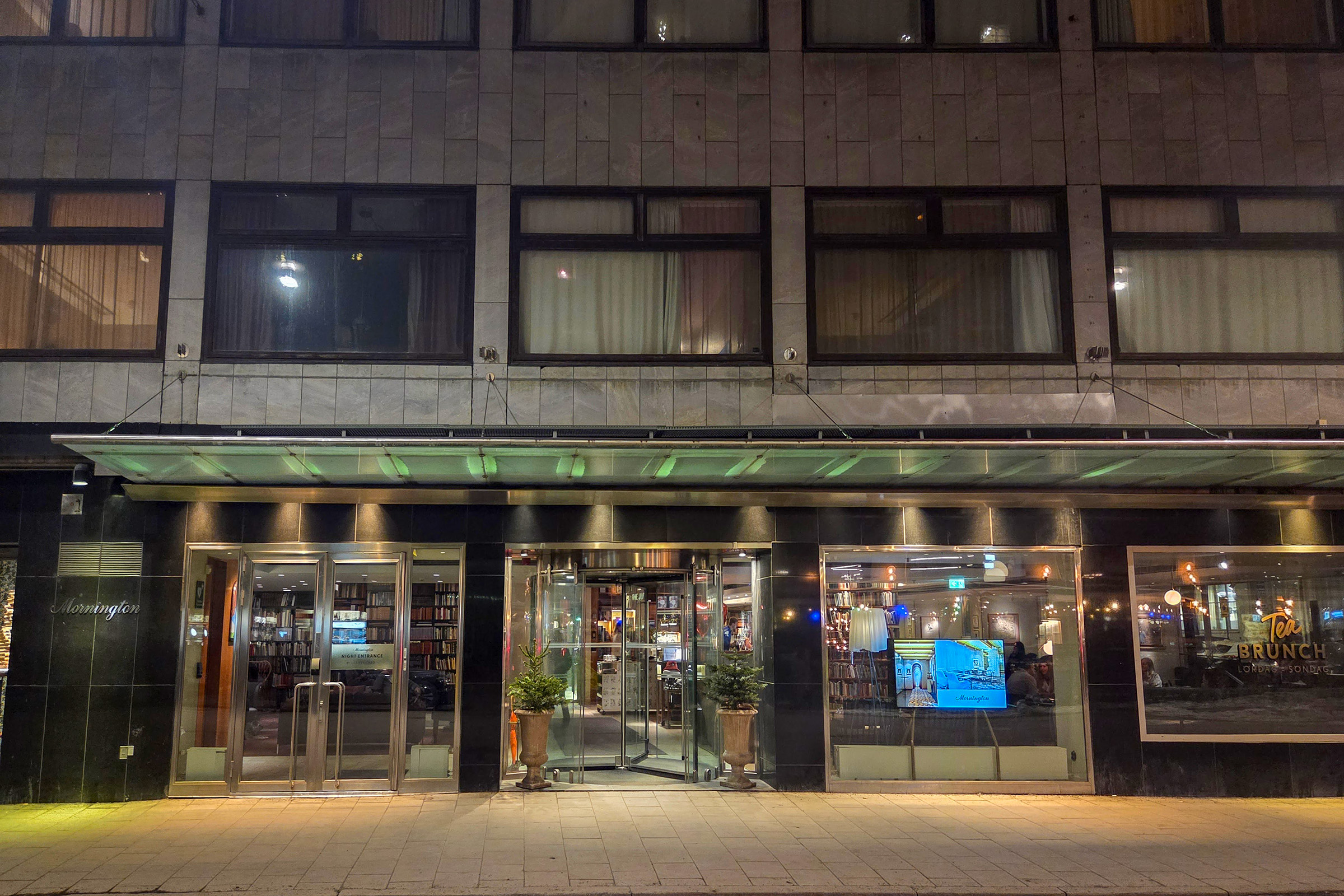
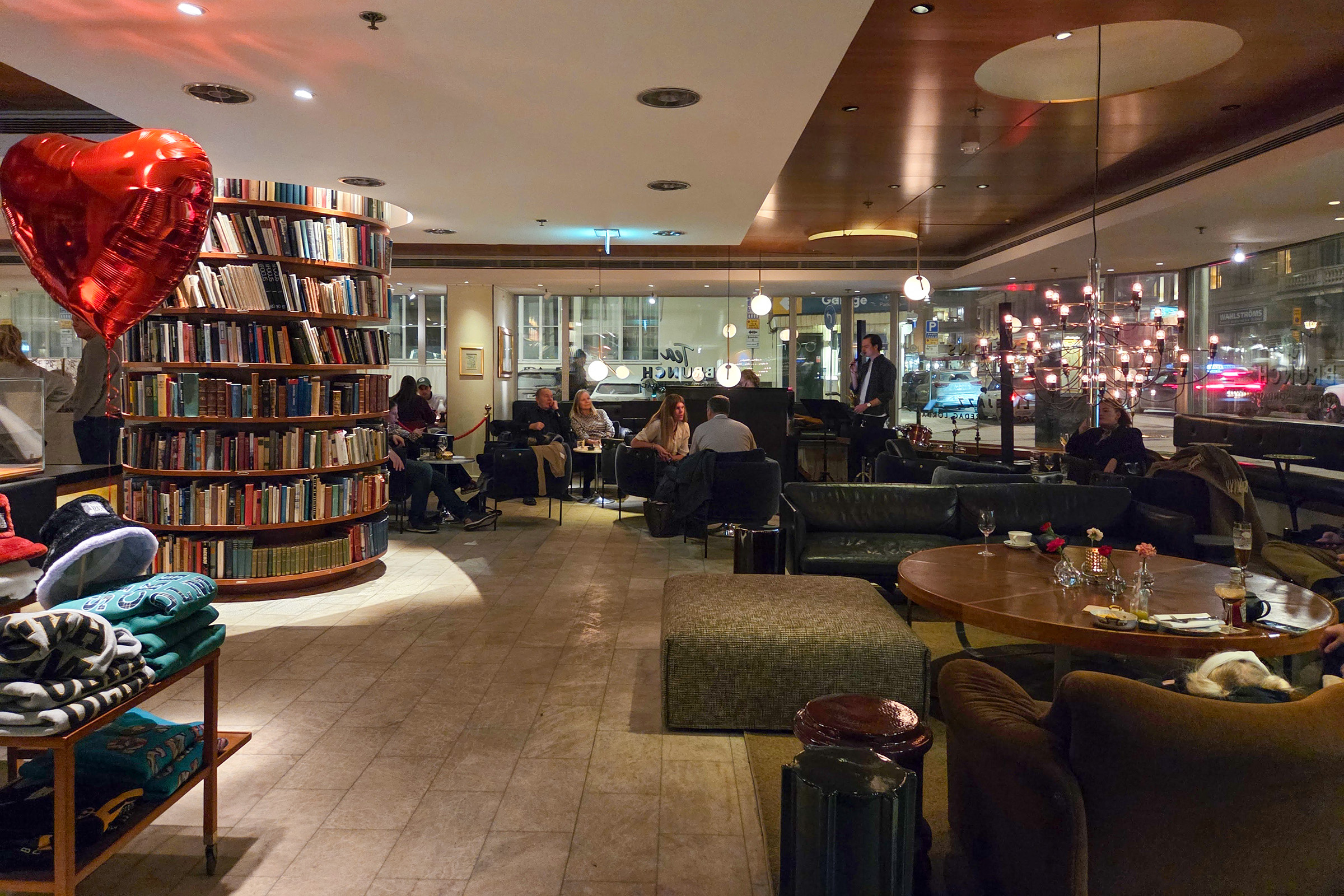
9:00 am: Check in and drop your bags
The Mornington Hotel reception opens early. If your room isn’t ready, you can leave your bags at the front desk and head straight out.
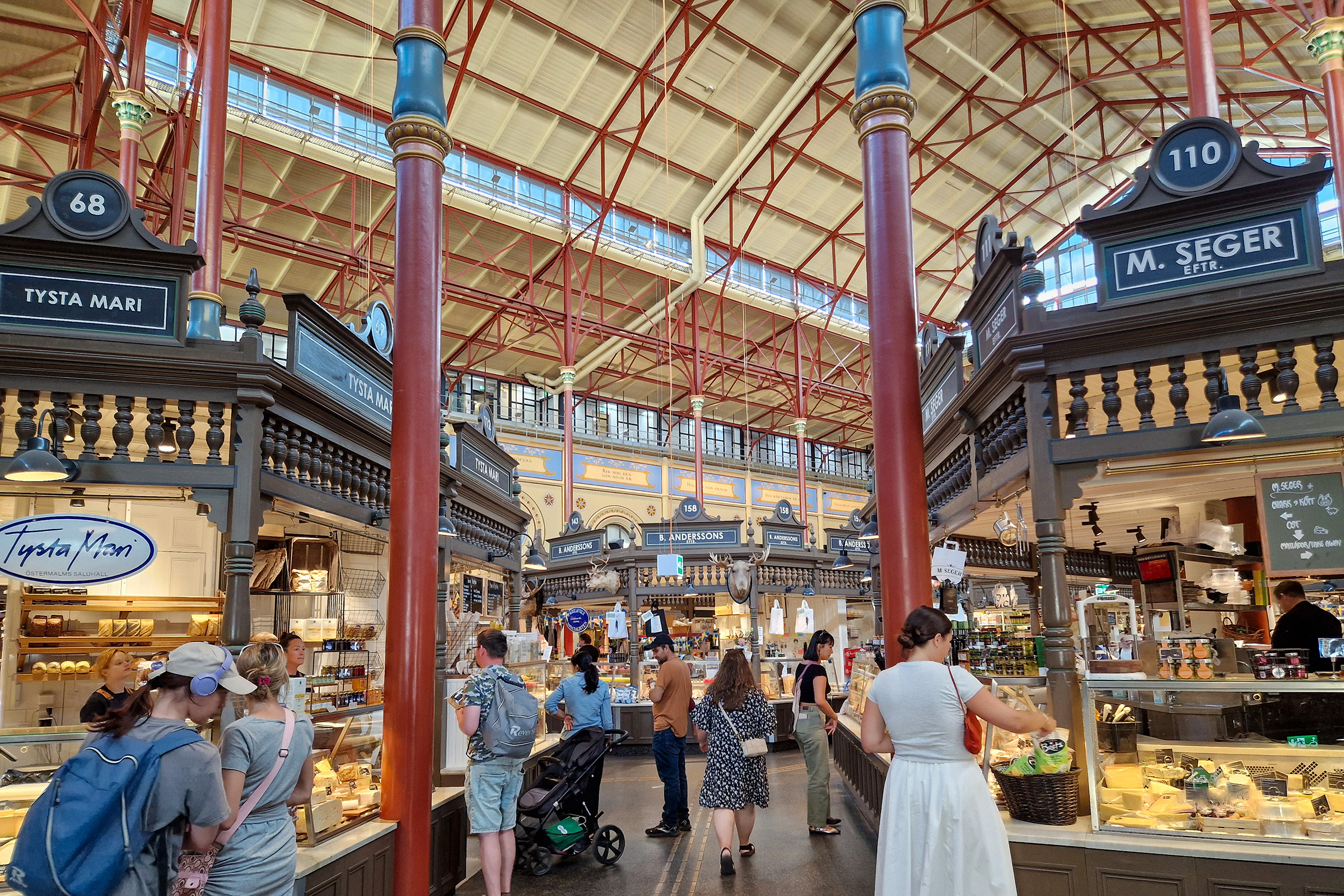
9:30 am: Breakfast at Östermalms Saluhall
Walk five minutes north from the hotel to Östermalms Saluhall (Östermalmstorg 31), the covered market hall that has been trading continuously since 1888. Several of the stalls serve breakfast from when the hall opens, with pastries, open sandwiches, coffee, and juice available at counters and café tables inside. The building is also worth a look, with its red brick, cast-iron columns, and long rows of arched windows.
Beyond breakfast, the stalls sell smoked fish, aged cheese, reindeer, gravlax, and other Swedish specialties. Even if you are only looking around, walking through the hall gives you an early, concrete sense of Swedish food culture.
11:00 am: Walk along Strandvägen
From the market hall, walk south to Strandvägen and follow the waterfront boulevard west toward Nybroplan. On your left is the inlet Nybroviken, where old wooden vessels and sailing boats moor in summer. On your right are grand apartment buildings from the 1890s, among the best-preserved examples of that period in Stockholm.
Noon: Gamla Stan
11:30 am: Take the metro to Gamla Stan
From Östermalmstorg, take the red line to Gamla Stan. The ride takes about 10 minutes, and from the station it is only a few minutes on foot to the heart of the district.
11:45 am: Explore Gamla Stan
Gamla Stan is one of the best-preserved medieval city centers in northern Europe. Start at Stortorget, the main square, and let the alleyways lead you from there. A few places to look out for:
- Storkyrkan (Stockholm Cathedral): just north of Stortorget, between the square and the Royal Palace. Parts of the church date back to the 13th century, and it is still an active church today. Inside, you can also see the famous Saint George and the Dragon sculpture. Entry costs 120 SEK.
- Järnpojke: the city’s smallest public statue, just 15 cm (6 inches) tall, tucked away in a small courtyard at Trädgårdsgatan 2.
- Mårten Trotzigs gränd: the narrowest alley in Stockholm, just 90 cm (3 feet) wide, connecting the streets Västerlånggatan and Prästgatan.
1:30 pm: Lunch at Tradition
Restaurant Tradition (Österlånggatan 1) serves Swedish husmanskost, classic home-style food that remains central to everyday Swedish cooking. Expect dishes such as Swedish meatballs, fried Baltic herring, creamed potatoes, and brown butter.
Cost: Lunch at Tradition: 205–335 SEK
- Food: 165–240 SEK
- Drinks: 40 SEK for a soft drink, 80–95 SEK for a beer
Afternoon: The Royal Palace
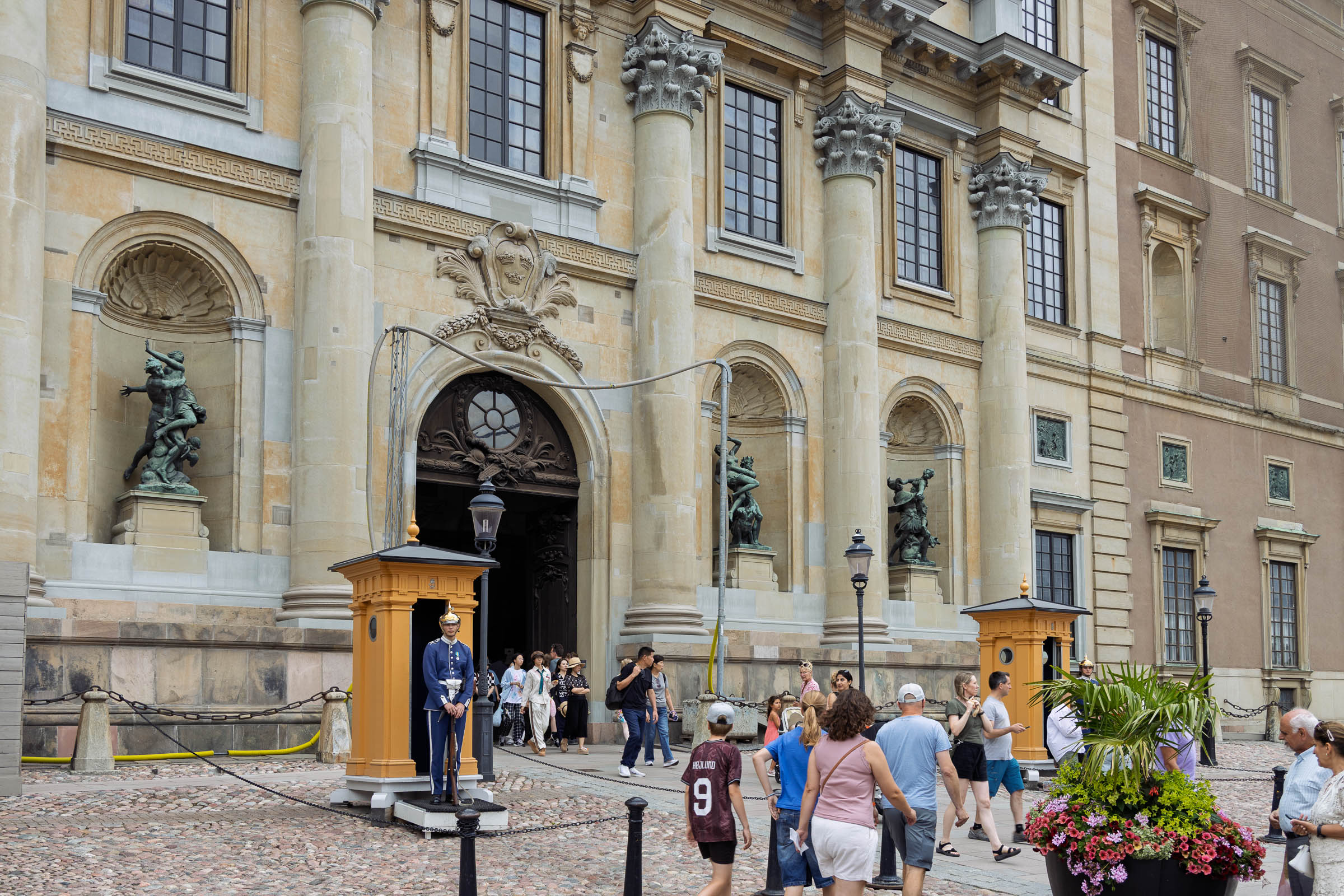
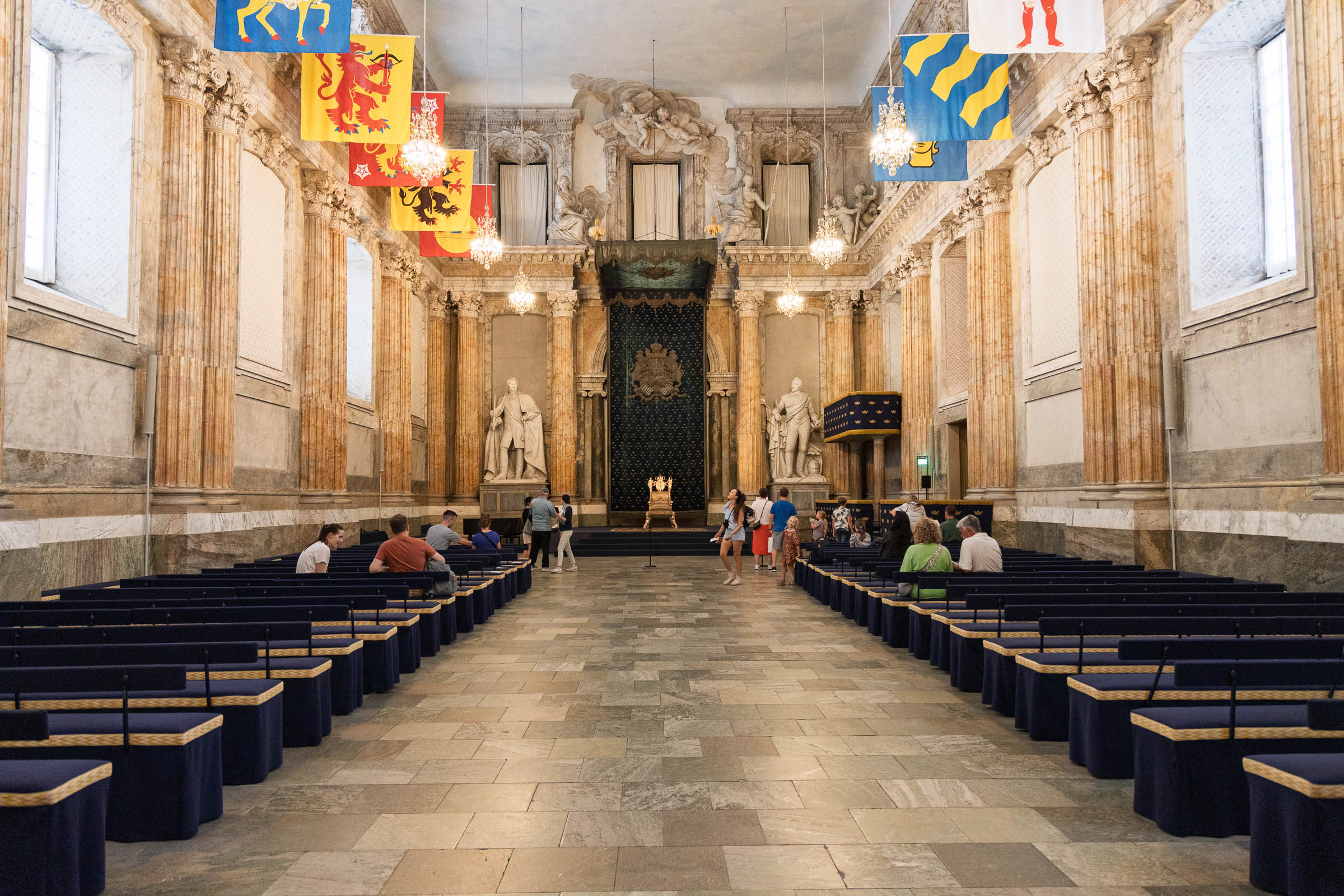
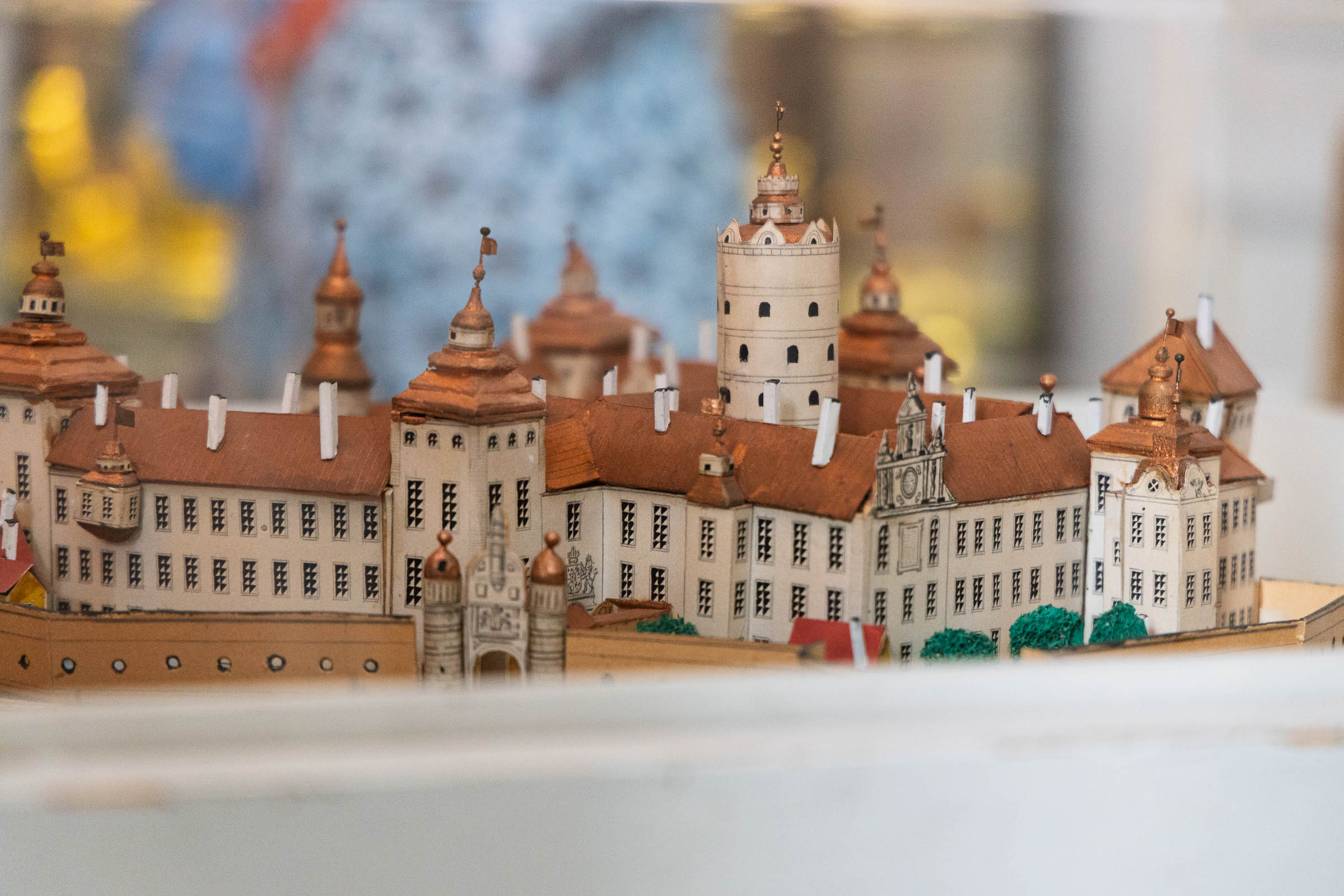
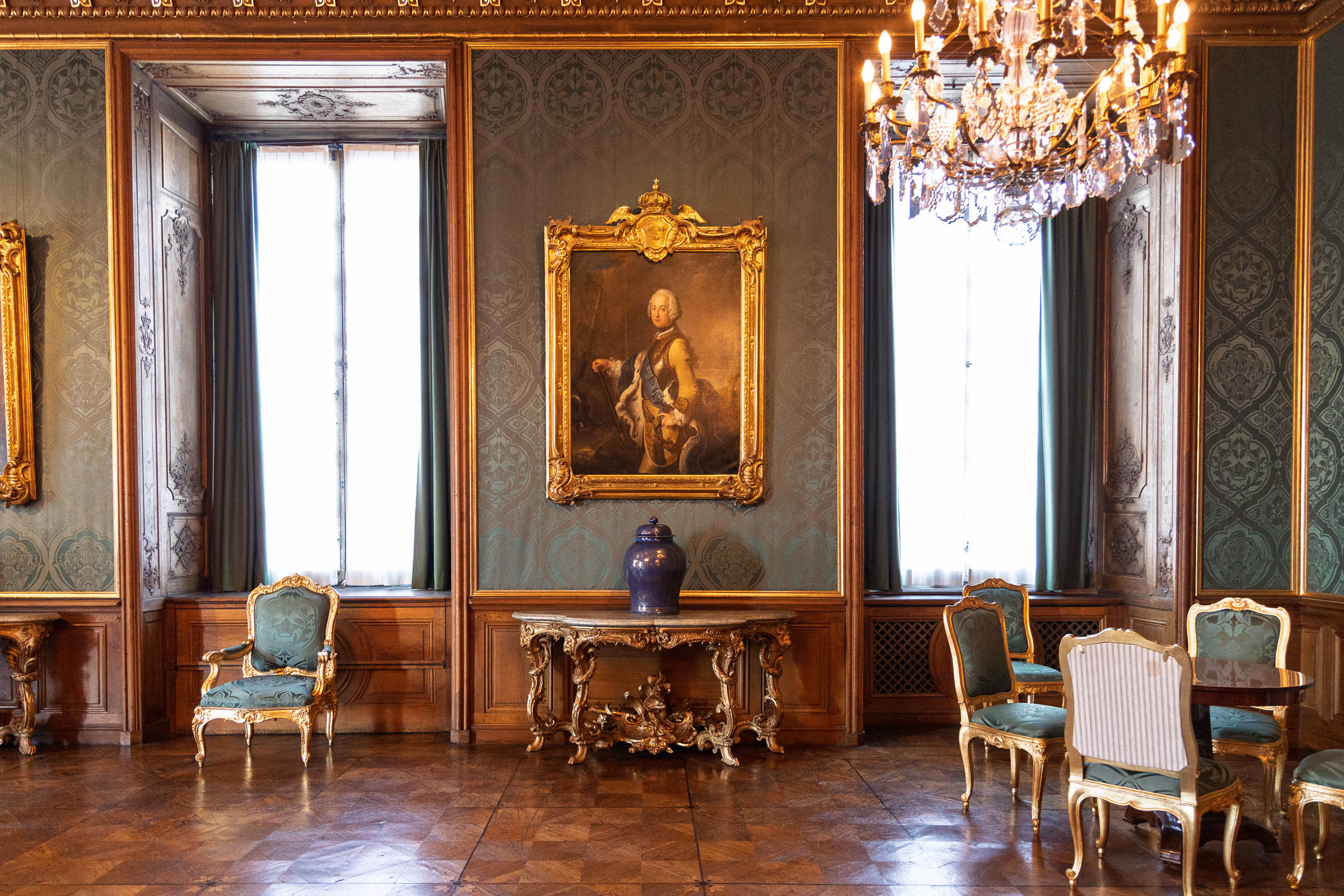
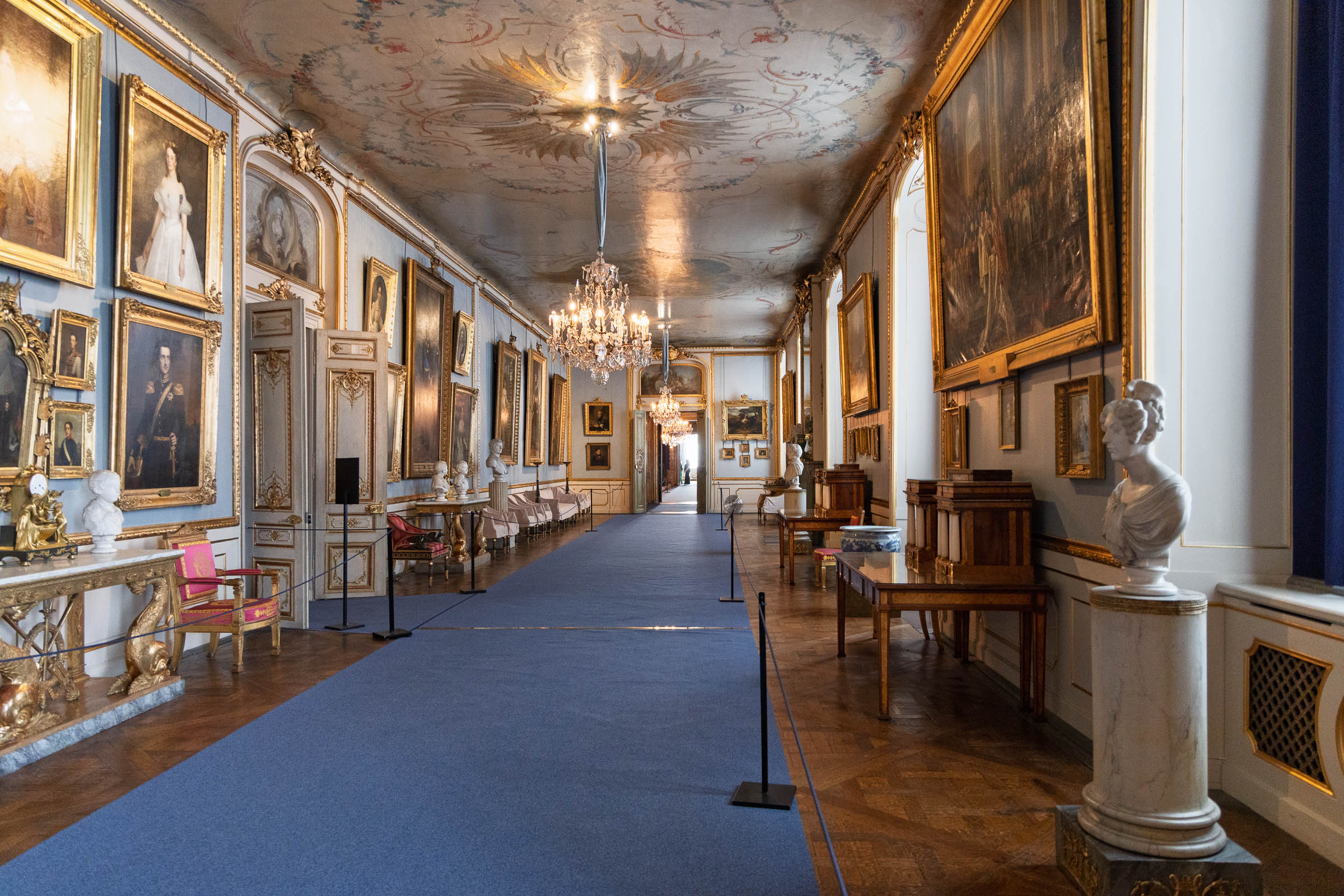
3:00 pm: The Royal Palace
The Royal Palace stands at the northern edge of Gamla Stan, on the site of an earlier palace destroyed by fire in 1697. It is the official residence of the Swedish king, although the royal family lives permanently at Drottningholm Palace. A standard ticket includes the Royal Apartments as well as the palace’s main museum sections:
- The Royal Apartments: the ceremonial rooms still used for royal receptions and official events
- The Treasury: the Swedish regalia, including crowns and scepters
- The Tre Kronor Museum: the medieval history of the palace site, including the remains of the earlier palace
- Gustav III’s Museum of Antiquities: open during the summer season only (June through August)
The guided tour, which lasts about 45 minutes, is worth considering if you want more context (it costs an additional 50 SEK on the standard ticket). It covers the State Apartments, and other ceremonial rooms that make more sense with some explanation.
Cost: 220-290 SEK
- The prices vary with the season, where high season costs more, there are also different price tiers for adults, students and children (7-17 years old)
- In some periods of the year, the price is 240 SEK for adults, so it is worth checking the current rate before you go.
5:00 pm: Walk back through Gamla Stan
After the palace, take some time to wander back through Gamla Stan. By late afternoon, the streets often feel a little calmer and easier to enjoy than they do around midday.
Evening: Norrmalm
7:00 pm: Dinner and drinks at Freyja + Söder
Freyja + Söder sits high above Hornsgatan, on the 13th floor, with a view across the water towards Gamla Stan and Kungsholmen. The bar runs along the dining room, with both indoor and outdoor seating facing the water.
The menu draws on Swedish ingredients and Swedish cooking traditions, but moves freely between Swedish and European techniques. Råbiff (steak tartare) appears alongside herring and potatoes and dishes built around Vendace roe and Baltic clams. Isterband, a coarse, lightly smoked Swedish sausage, shows up as a main. So does a risotto made with Swedish grain that is worth ordering if it’s on the menu. Desserts change with the season. In summer, rhubarb is included in desserts in a way that tastes distinctly of the Swedish growing season. The kitchen also handles both fish and meat confidently, so the menu works well for meat, fish and vegetarian options.
For a first night in Stockholm, it covers the right ground: the food feels connected to Sweden without feeling overly traditional, and the setting gives a strong first impression of the city.
After dinner, stay for a drink at the bar. The cocktail list leans playful, with names that reference Swedish pop culture and humor. For example, Lili & Susie, a nod to the 1980s Swedish pop duo, mixes pineapple, Lillet Blanc, and Suze de Gentiane. Dunderhonung, borrowed from Bamse, the beloved Swedish children’s cartoon bear who draws his strength from thundering honey, combines honey with Maker’s Mark bourbon. Together they set the tone for a bar that does not mind having a little fun.
The bar is open for drop-ins, but for dinner it is a good idea to book ahead, especially in summer.
Cost: Dinner 800–900 SEK per person, cocktails 160–185 SEK each.
Day 1 cost summary
| Activity | Cost per person |
| Stockholm Cathedral | 120 SEK |
| Lunch at Tradition | 205–335 SEK |
| Royal Palace (with guided tour) | 270–290 SEK |
| Dinner at Freyja + Söder | 800–900 SEK |
| Drinks at Freyja + Söder | 160–185 SEK |
| Total for Day 1 | 1,555 SEK |
Day two: Djurgården
Morning: Museum
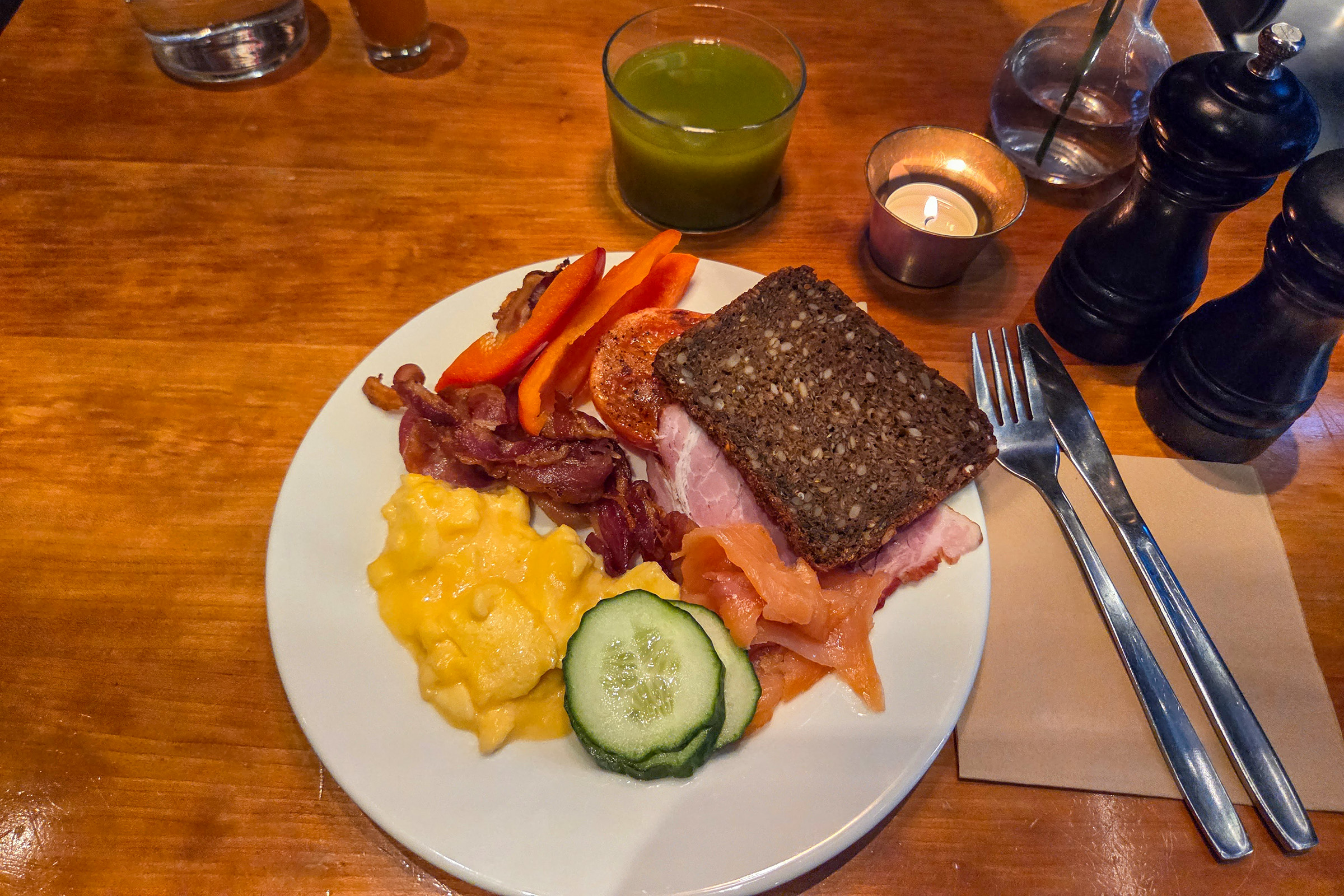

9:00 am: Breakfast at Mornington Hotel
Breakfast is served in the hotel dining room. From here, walk five minutes to the Nybroplan tram stop.
9:45 am: Tram to Djurgården
Take tram 7 from Nybroplan. The tram runs along Strandvägen before crossing onto Djurgården, and stops at Nordiska museet/Vasamuseet right by the main museum area.
10:00 am: Choose your museum
Pick one of the four main museums on Djurgården. Each is worth at least two to three hours if you want to see it properly:
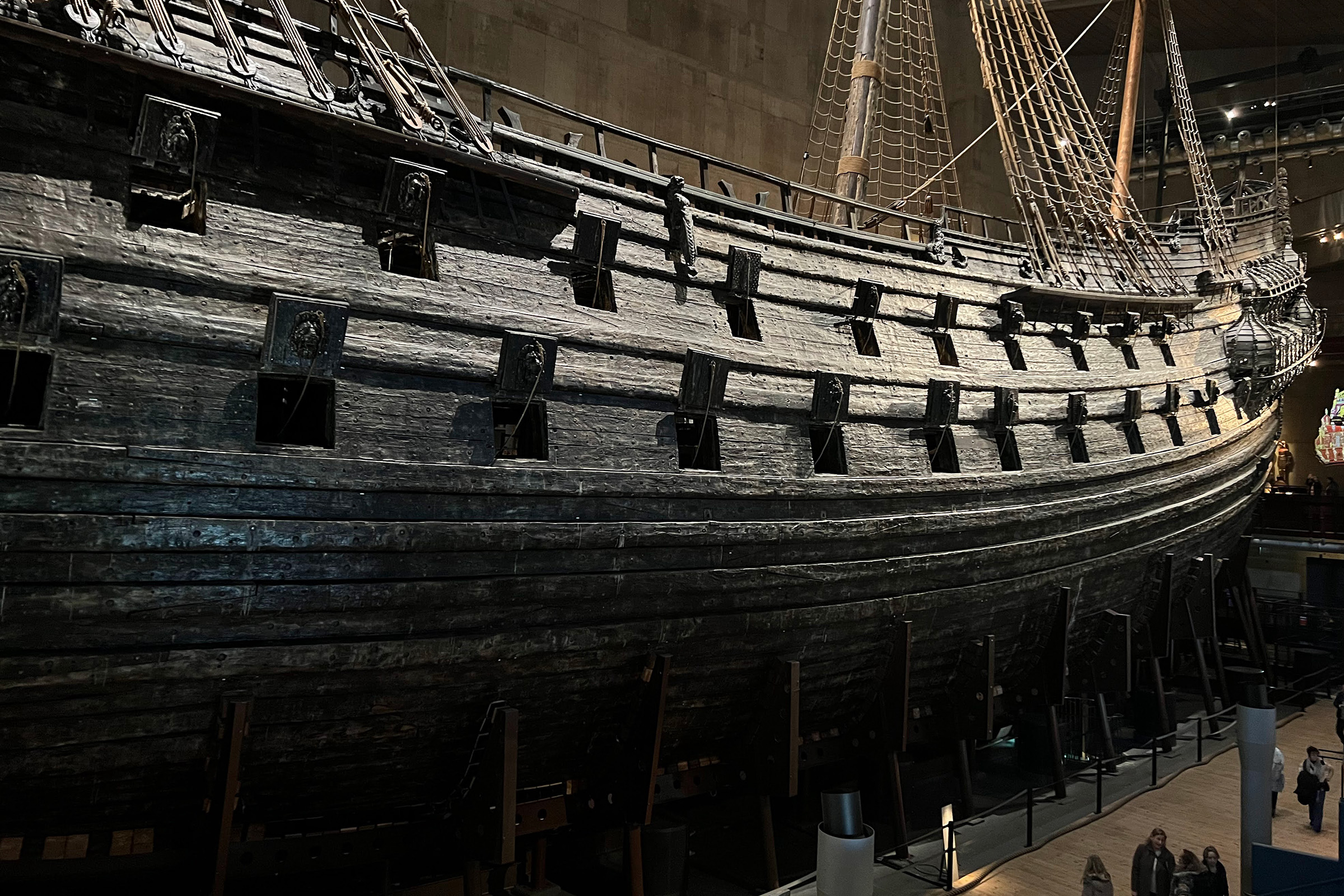
- Vasa Museum: a 17th-century warship, almost perfectly preserved, that sank eleven minutes into its maiden voyage.
It houses the only fully preserved 17th-century warship in the world. Vasa sank on its maiden voyage in 1628 and was raised in 1961 after 333 years on the seabed. The museum covers the ship’s construction, sinking, salvage, and long-term preservation. Entry: 195 SEK January to April and October to December, 240 SEK May to September. - ABBA the Museum: more immersive than you might expect, even if you’re not a devoted fan.
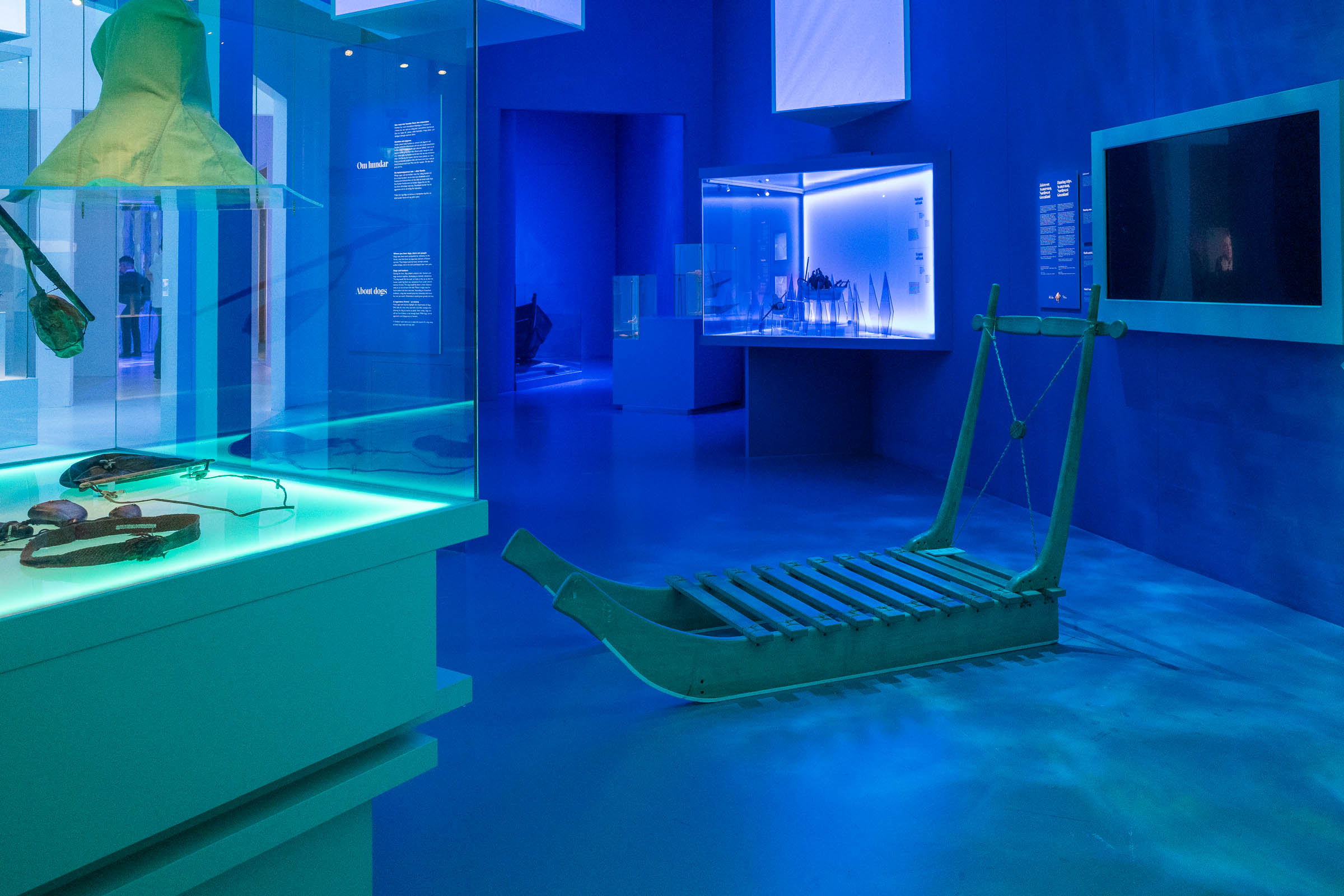
An interactive exhibition covering the group’s history, music, and cultural reach. Entry: 249–329 SEK for adults, 100–120 SEK for children (7–15 years), 219–279 SEK for students, depending on the date. - Nordic Museum (Nordiska museet): the broader picture of Swedish life, from peasant cottages to Sami traditions, across five centuries.
The museum covers Swedish cultural history from the 16th century to the present, across fashion, folk art, traditions, and domestic life. The building, modeled on a Nordic Renaissance castle, is in itself worth seeing. Entry: 170 SEK, 75 SEK for children 3-18 years,150 SEK for seniors and students. - Skansen: open-air folk museum and zoo in one, the clearest choice for families with children.
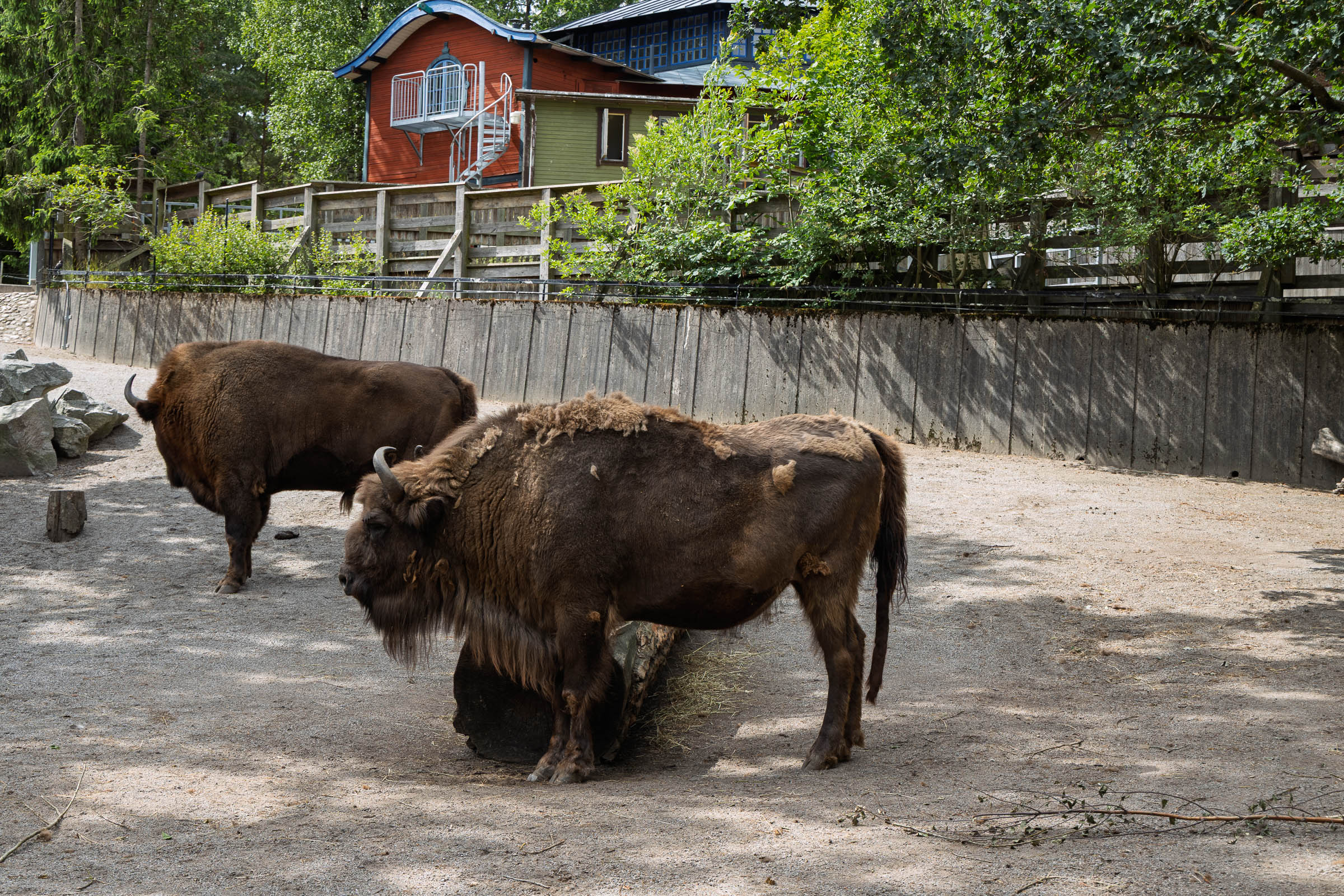
An open-air museum that combines historic buildings from across Sweden with gardens, workshops, and Nordic animals such as bears, wolves, lynx, and elk. Entry: 240–305 SEK for adults, 200–265 SEK for students and seniors depending on season. Children 0–15 enter free, but still need a ticket. Prices can be higher during special events.
Noon: Ulla Winbladh
1:00 pm: Lunch at Ulla Winbladh
Ulla Winbladh (Rosendalsvägen 8) sits in a yellow historic building on Djurgården and is one of the district’s best-known places for traditional Swedish food. If you want a classic sit-down lunch in a setting that feels genuinely tied to the area, this is the place. The menu focuses on Swedish dishes such as fried Baltic herring, meatballs, and seasonal specials, and in summer there is also an outdoor terrace.
Cost: 195 SEK for weekday lunch specials, more for à la carte mains, ranging between 255-485 SEK
Afternoon: Explore the island
2:30 pm: Bike, pedal boat, or walk
Djurgården is large enough to fill the rest of the afternoon, and this is a good time to slow down a little after the museums. If you want to cover more ground, rent a bike from Djurgårdsboden (just outside Skansen) and ride the gravel paths across the island. To learn more about renting a bike in Stockholm, take a look at our article about bike rentals in Stockholm. The paths are mostly flat, and a bike makes it easier to reach the quieter eastern stretches of Djurgården. Helmet and map are included with the rental.
If you would rather stay on foot, continue east past Rosendal and follow the quieter paths along the southern side of the island, where you get broader views across the water toward Södermalm and the inlet beyond.
For something different, you can also get out on the water. Sjöcaféet, just to the right of Djurgården Bridge, is a known place for kayak, canoe, and pedal-boat rentals, and KAYAKOMAT Stockholm Djurgårdskanalen at Djurgårdsbrunnsvägen 10 is another option for kayaks.
Cost:
- Bike rental (Djurgårdsboden): 65 SEK per hour or 240 SEK per day
- Kayak (KAYAKOMAT): from 298 SEK for 2 hours for a solo kayak
- Kayak at Djurgårdsbron: 140 SEK per hour
- Pedal boat at Djurgårdsbron: 300 SEK per hour
4:00 pm: Fika at Rosendals Trädgård
Rosendals Trädgård (Rosendalsterrassen 12) is a working garden with a café, bakery, and greenhouses on the eastern part of the island. It is one of the calmer stops on the island, and part of the appeal is the setting itself: outdoor tables, cultivated beds, and a break from the museum crowds. This is a good place for a simple fika if you want something quieter and more local in feel.
If Rosendals is closed, Blå Porten (Djurgårdsvägen 64) is a reliable alternative closer to the museum area. It is open daily from 11 am to 8 pm.
Cost: Fika: 80-130 SEK is a reasonable guide, depending on what you order
5:30 pm: Tram back to Nybroplan
Take tram 7 from Djurgården back to Nybroplan, then walk to the hotel for a short break before dinner.
Evening: Östermalm
7:30 pm: Dinner at DoMa
DoMa (Nybrogatan 48) is a five-minute walk from the hotel. The restaurant serves modern Swedish food in a relaxed, intimate setting, with seasonal menus and well-sourced ingredients. It originally began as a home restaurant, with guests invited into the owners’ home, and even after moving into a more conventional restaurant space, it has kept some of that personal, low-key feel. It’s a good idea to book ahead.
Cost: 700-900 SEK per person
Day 2 cost summary
| Activity | Cost per person |
| Museum on Djurgården | 170-329 SEK |
| Lunch at Ulla Winbladh | 195-395 SEK |
| Bike/pedal boat/kayak rental | 65-300 SEK |
| Fika at Rosendals Trädgård | 80-130 SEK |
| Dinner at DoMa | 700-900 SEK |
| Total for Day 2 | 1,210-2,054 SEK |
Day three: City Hall and Södermalm
Morning: City Hall
9:00 am: Breakfast at Mornington Hotel
9:45 am: Metro to City Hall
Take the metro from Östermalmstorg to T-Centralen. From T-Centralen, then walk about 10 minutes southwest toward Stockholm City Hall.
10:00 am: Guided tour of Stockholm City Hall
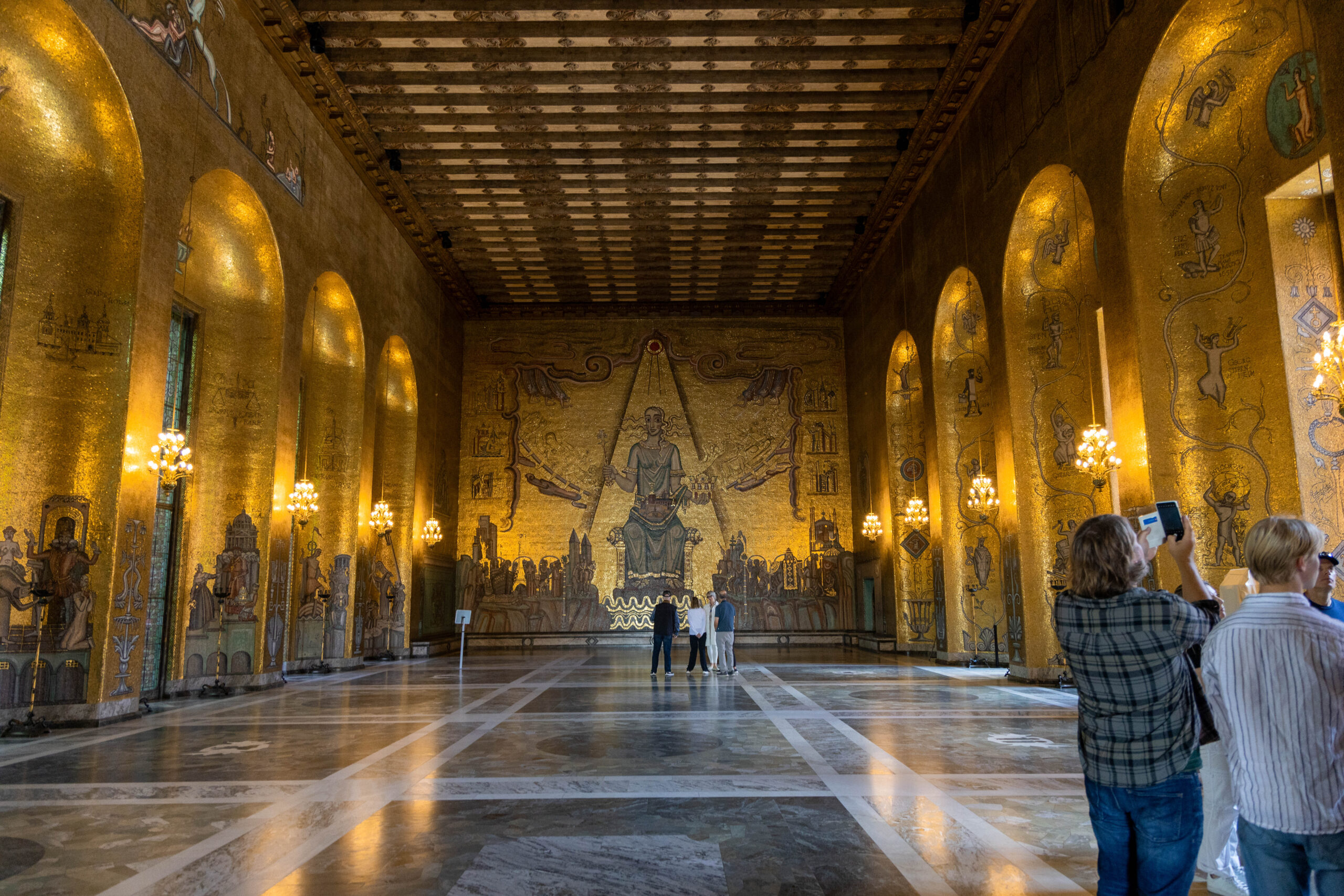
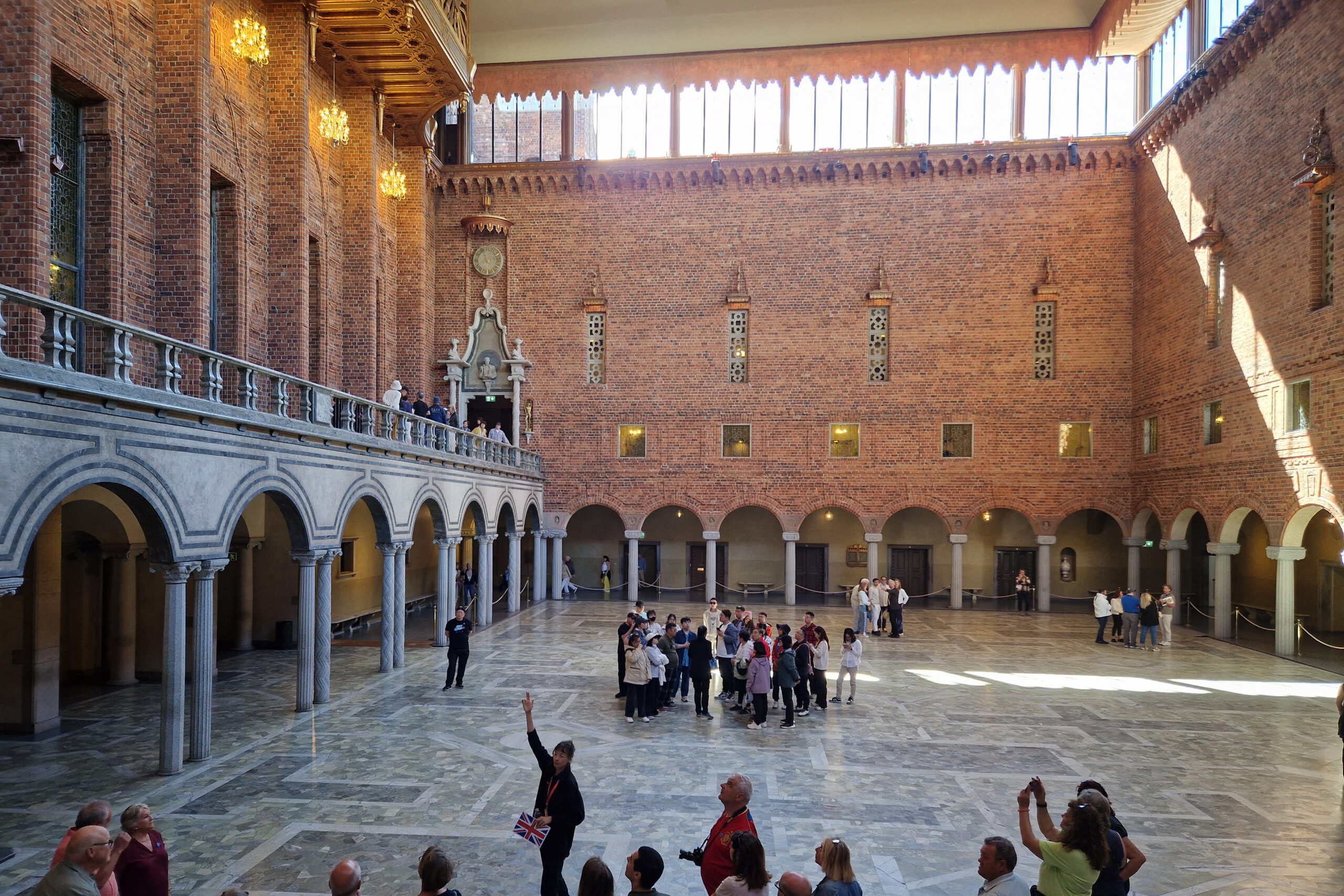
The Stockholm City Hall is one of the city’s most recognizable buildings, and for many visitors it is one of the places most worth seeing. The interior can only be visited on a guided tour, which lasts about 45 minutes and covers the Blue Hall, the Golden Hall, the Council Chamber, and the Gallery of the Prince. The Blue Hall is where the Nobel Prize banquet is held each December, while the Golden Hall is lined with glittering mosaics that are among the building’s best-known interiors.
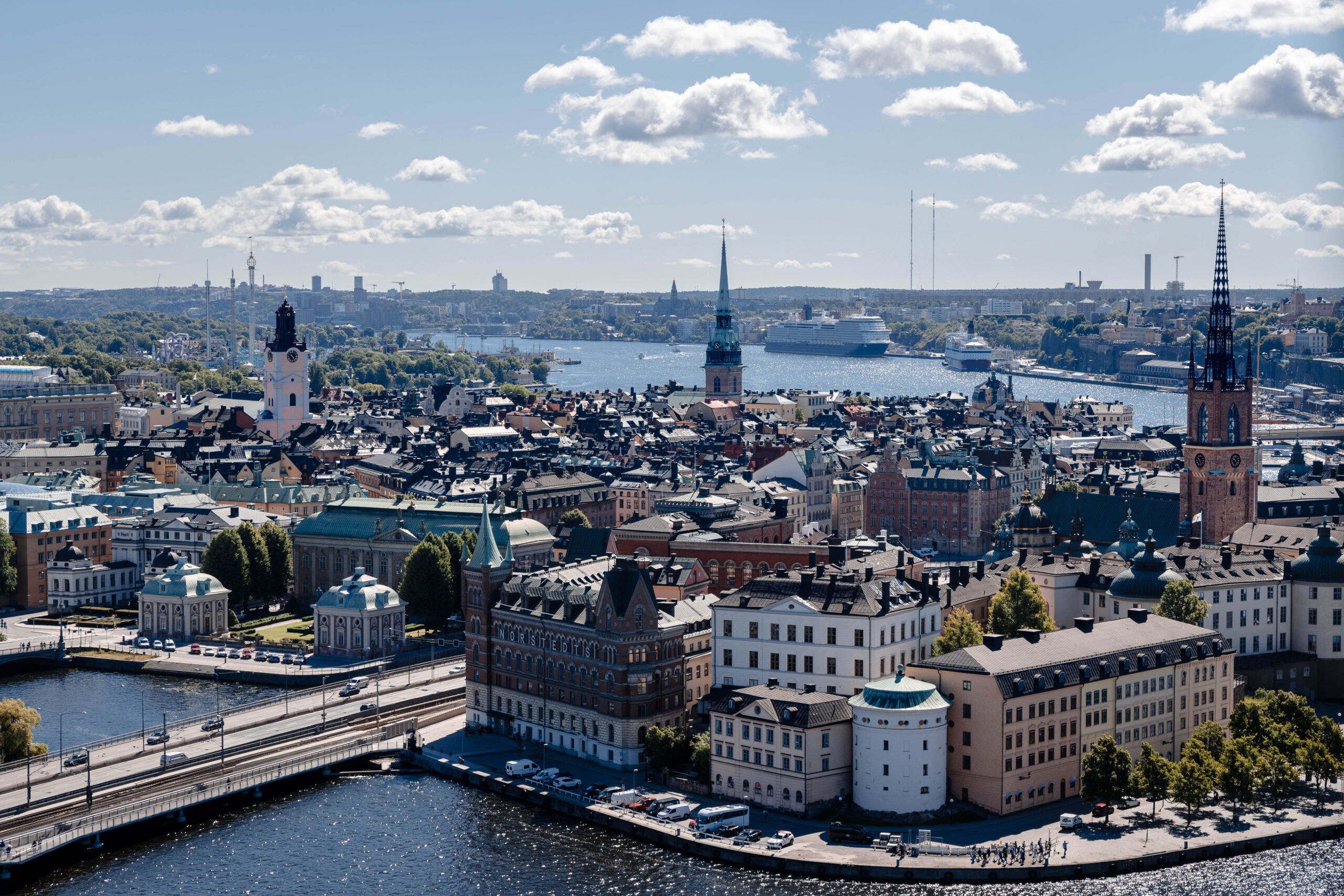
If you want a view from above, the Tower visit is a separate add-on. The tower is 106 meters high and gives wide views over central Stockholm, including Riddarfjärden, Gamla Stan, and Södermalm. It is open seasonally from May through September, and the climb includes many stairs, although an elevator takes you part of the way.
Even if you do not take the guided tour, the City Hall Park is still worth a stop. It is free to visit and sits right by the water, with good views, sculptures, and some of the best close-up angles of the building’s architecture.
Cost: City Hall guided tour: 150 SEK. Tower tour: 100 SEK extra.
Noon: Södermalm
11:45 am: Metro to Södermalm
From City Hall, head back toward T-Centralen and take the metro to Medborgarplatsen (green line).
12:30 pm: Lunch at Pelikan
Pelikan (Blekingegatan 40) is one of Södermalm’s classic dining rooms. Its history dates back to 1664 when Hans Georg Cron opened the restaurant Pelikan at Österlånggatan in the Gamla Stan district. The current hall has been here since 1904, and the atmosphere is a large part of the appeal: high ceilings, dark wood paneling, long tables, and a beer-hall feel that still feels distinctly Stockholm. The food is traditional Swedish husmanskost, with dishes such as meatballs with lingonberries, beef rydberg, and herring. On weekdays, they also serve a lunch special.
Cost: 175-275 SEK
Afternoon: Södermalm
2:00 pm: Monteliusvägen
Walk west from Pelikan towards Mariatorget, then continue up to Monteliusvägen, a footpath that runs along the Södermalm ridge. This is one of the best viewpoints in Stockholm, with a wide view across Riddarfjärden toward Gamla Stan, Riddarholmen, and Stockholm City Hall. It is a good place to slow down for a while, take photos, and get a broader sense of the city’s layout. It’s a 25 minute walk from Pelikan to Monteliusvägen, and how long you stay at the view point is really up to you.
3:00 pm: SoFo
From Monteliusvägen, head east toward SoFo, the part of Södermalm south of Folkungagatan. This is a good area for a slower hour of browsing rather than sightseeing in the usual sense. Focus on streets like Skånegatan and Nytorgsgatan, where you will find independent clothing stores, vintage shops, small design stores, ceramics, and bookshops. Even if you are not planning to buy anything, this part of Södermalm gives you a clearer sense of the district’s more local, creative side.
4:30 pm: Fotografiska
Fotografiska (Stadsgårdshamnen 22) is a museum for photography, art, and culture in a former customs building by the water. It usually runs several exhibitions at the same time, so it works well even if one particular show does not interest you. Part of the appeal is also the setting: the building faces the water toward Djurgården, and both the café and restaurant make the most of that view. It is a good stop if you want something cultural in the late afternoon without committing to a full traditional museum. General admission is currently 195 SEK, with 165 SEK for students and seniors. On Wednesdays after 6 pm, Fotografiska offers a duo ticket where two people can enter for the price of one.
Cost: 195 SEK
Evening: Dinner and drinks
7:30 pm: Dinner at Woodstockholm
Woodstockholm on Mosebacke torg takes a different approach: rather than a fixed menu, the kitchen builds each season around a new culinary destination. The concept changes regularly, so it’s worth checking the current menu on their website before booking. It suits visitors who want something a bit different from a standard dinner stop. Reservations are recommended.
If you’d rather keep the evening simple Cong, Kryp In, or Stigbergets Fot are all solid choices in the same part of Södermalm.
Cost: 900-1,100 SEK per person
9:00 pm: Drinks at Hernö Gin Bar
Hernö Gin Bar (Hornsgatan 1) sits just below Slussen by the waterfront and focuses on Hernö Gin, a Swedish craft gin from Härnösand in northern Sweden. Cocktails run 175-200 SEK. Ask the staff for a recommendation, or try one of the cocktails with lingonberry, a berry that appears throughout Swedish cooking.
For an outdoor alternative, the rooftop bar at Freyja + Söder (Hornsgatan 18), has terrace seating in summer and wide views over the city.
Day 3 cost summary
| Activity | Cost per person |
| City Hall (with Tower tour) | 250 SEK |
| Lunch at Pelikan | 175–275 SEK |
| Fotografiska | 195 SEK |
| Dinner at Woodstockholm | 900-1,100 SEK |
| Drinks at Hernö Gin Bar | 175-200 SEK |
| Total for Day 3 | 1,695-2,020 SEK |
Day four: Vaxholm
Morning: Ferry from Strömkajen
8:15 am: Hotel breakfast and walk to Strömkajen
Start breakfast a little earlier than on the previous days, or pick up something to take with you, since this is the earliest start of the itinerary. From the Mornington Hotel, it is about a 20-minute walk southwest along Strandvägen and the waterfront to Strömkajen, the ferry dock by the Grand Hôtel.
Try to arrive a little ahead of departure rather than cutting it close, especially in summer when boats can be busy. For a fuller explanation of routes, tickets, and what type of ferry to choose, see our guide to getting to Stockholm Archipelago by ferry.
Morning ferry to Vaxholm
Take a Waxholmsbolaget ferry from Strömkajen to Vaxholm. Do not rely on one exact departure time here, as the timetable changes during the year and some sailings vary by season and day. Check the current journey planner before you go. Waxholmsbolaget’s own planner is the most reliable source for live times.
You can buy your ticket on board or in the SL app. If you buy in the app, activate the ticket only when you are ready to travel. If you already have a qualifying SL 30-day or longer travelcard, it may also be valid on this route, so it is worth checking before you pay separately.
If the weather is good, head up to the outside deck for wider views and fresh air. Inside seating is a better choice if it is windy or cold. The route out from central Stockholm gives you a gradual shift from the inner waterfront to a more open archipelago setting, which is part of the experience.
Cost: Ferry fares depend on distance. Adult single tickets start from 61 SEK, and return tickets are available if you are coming back the same way. Check the current fare when planning your trip.
Late morning: Vaxholm
Before lunch: Arrive in Vaxholm
The ferry arrives at Vaxholm’s main harbor. From there, you can start with a short walk along Hamngatan, the town’s main street, where the waterfront is lined with wooden houses, cafés, small shops, and hotels. Vaxholm is compact and easy to explore on foot, so this part of the day works best at a relaxed pace, take your time to wander and explore the environment.
11:00 am: Vaxholm Fortress
Vaxholm Fortress (Vaxholm kastell) sits on Vaxholmen, a small island just off the harbor. It was originally built to help control the sea route into Stockholm, and the museum covers the fortress’s defensive role over roughly 500 years.
To get there, check the current boat option on the day you visit. During the warmer season, the separate Kastellet boat runs between Vaxholm and the fortress island, while Waxholmsbolaget also operates services in the area. Some Waxholmsbolaget routes can be used with a valid SL ticket, while the Kastellet boat has its own fare.
The fortress museum is mainly open from mid-May to early September, but not every day throughout that whole period. In 2026, the main daily summer opening runs from June 22 to August 23, with additional opening dates in May, early June, late August, and early September. The museum also sometimes opens on selected school-holiday dates outside the main season, so it is best to check the official website before you go. Group visits can be booked year-round.
Cost:
- Museum entry: 120 SEK for adults, 100 SEK for seniors, 60 SEK for youth 13–18, free for children 0–12 with an adult
- Kastellet boat: 110 SEK round trip or 60 SEK one way for adults; 80 SEK round trip or 45 SEK one way for children
- Go City Stockholm Pass: free museum entry
Noon: Lunch in Vaxholm
1:00 pm: Lunch by the harbor
By this point, you will likely be back near the harbor, which is where most visitors end up stopping for lunch. There are several options around the waterfront, so this is a good place to choose based on what kind of meal you want rather than following one fixed plan.
- Waxholms Hotell / Verandan (Hamngatan 2): the most established lunch option in town, sitting directly on the harbor with views across the water. The menu follows Nordic and archipelago-inspired cooking, and the setting feels tied to Vaxholm in a way that suits a slow, unhurried lunch. Worth booking in summer. Check the current menu and prices on their website before you go.
- Hamnkrogen (Söderhamnen 10): a harbor-side restaurant with a menu built around Swedish classics: fried Baltic herring, meatballs, fish stew. The atmosphere is informal and the portion sizes are generous. Indoor and outdoor seating, with the outdoor terrace facing the water. Main courses run roughly 235-325 SEK.
- Winbergs Kök & Bar (Söderhamnsplan 1): the most casual of the three, and easy to spot when you arrive at the harbor. On weekdays they serve a lunch special for 149 SEK, including a drink, coffee, and cake. A straightforward option if you want to eat quickly and keep the afternoon free for walking.
If you are visiting on a sunny summer day, the harborfront tables tend to fill up quickly, so booking ahead is helpful for the more popular places.
There are several lunch options around the harbor, from simpler weekday lunch specials to more polished sit-down restaurants.
Cost: Expect to pay about 149–400 SEK per person for lunch, depending on where you eat.
Afternoon: Walk through Vaxholm
After lunch: Explore the quieter side of town
After lunch, spend some time walking beyond the harbor through the residential streets between Hamngatan and the southern waterfront. This is one of the easier ways to appreciate what makes Vaxholm appealing beyond the fortress: painted wooden houses, narrow plots, small gardens, and a town scale that still feels tied to its older archipelago history. Take your time and enjoy the atmosphere at an unhurried pace.
If you want a more relaxed end to the afternoon, this is also a good time to stop for a coffee, an ice cream, or a short detour down to the water before heading back to the harbor. For ice cream we recommend trying Glass på Hörnet, just next to the hotel. And for café, some good options are Gateau Vaxholm, Camilles Trädgård & Café,or Vaxholms Hembygdsgårds Café.
Late afternoon: Return ferry to Stockholm
When you are ready to leave, take an afternoon ferry back to Strömkajen. Rather than relying on one exact departure, check the current Waxholmsbolaget timetable on the day you travel and choose a sailing that gives you enough time in Vaxholm without rushing lunch or the afternoon walk. The ride back follows the same route through the inner archipelago, so it is worth treating the return as part of the outing rather than just transport.
Evening: Dinner in Stockholm
7:30 pm: Dinner
Back in Stockholm, there are a couple of good ways to end the trip, depending on what kind of final dinner you want.
Sturehof (Stureplan 2, Östermalm) is the stronger choice if you prefer seafood and a more classic Stockholm brasserie atmosphere. It is large, lively, and well known for shellfish, fish dishes, and a dining room that feels more like a city institution than just another restaurant. It is also an easy walk from the Mornington Hotel. Booking ahead is a good idea.
Kvarnen (Tjärhovsgatan 4, Södermalm) is the better fit if you want something more relaxed and more centered on traditional Swedish comfort food. It is one of Stockholm’s old beer halls, and the atmosphere leans more worn-in and local than polished.
Cost:
- Sturehof: 600-900 SEK per person
- Kvarnen: 300-500 SEK per person
Day 4 cost summary
| Activity | Cost per person |
| Ferry to and from Vaxholm | 122–372 SEK |
| Boat to Vaxholm Fortress | 60-110 SEK |
| Vaxholm Fortress entry | 120 SEK |
| Lunch in Vaxholm | 149–400 SEK |
| Dinner (Sturehof or Kvarnen) | 300–900 SEK |
| Total for Day 4 | 751–1,902 SEK |
Full cost breakdown
| Per person | |
| Day 1 | 1,555–1,830 SEK |
| Day 2 | 1,210–2,052 SEK |
| Day 3 | 1,695–2,020 SEK |
| Day 4 | 751–1,902 SEK |
| Total | 5,211–7,804 SEK |
Excludes hotel, SL travel card, and personal shopping. Prices are estimated at time of publication, so check individual venues for current rates. Waxholmsbolaget single tickets vary by distance, and Vaxholm Fortress Museum admission is currently 120 SEK for adults.
This itinerary works best as a framework rather than a fixed script, so feel free to swap in other restaurants, museums, or ferry times depending on the season and your interests.