Riksidrottsmuseum, Sweden’s national sports museum, covers Swedish sport from the 1912 Olympics to doping. It’s in Gärdet, open Tuesday–Sunday 11:00–16:00, and costs 80 SEK (2026) for adults; anyone 19 or under gets in free. Allow about 1 hour.
The museum sits next to Tekniska museet and a few minutes’ walk from Sjöhistoriska museet, Etnografiska museet and Polismuseet, so it is easy to pair with a second museum.
Who is it for?
Riksidrottsmuseum suits people who are curious about sports history more than fans of one team or sport. If you’re looking for match memorabilia or hero worship, you’ll leave a little flat. If you’re interested in how sports developed, how they shaped Swedish society and the harder sides of competition, including doping and cheating, there’s more here than the modest exterior suggests.
It also suits visitors who have already been to the Vasa Museum and ABBA The Museum and want something smaller and different.
Families get the most out of it. Entry is free for anyone 19 or under, and children get to move, not just watch. The coat hooks in the cloakroom are hockey sticks, and the exhibition has a hobbyhorse track, a table tennis area and a zone for ball-throwing games. Lilla SportLab, the museum’s play area, lets younger children try movement and playful competition, so they learn about sport through play rather than text on a wall.
What to see
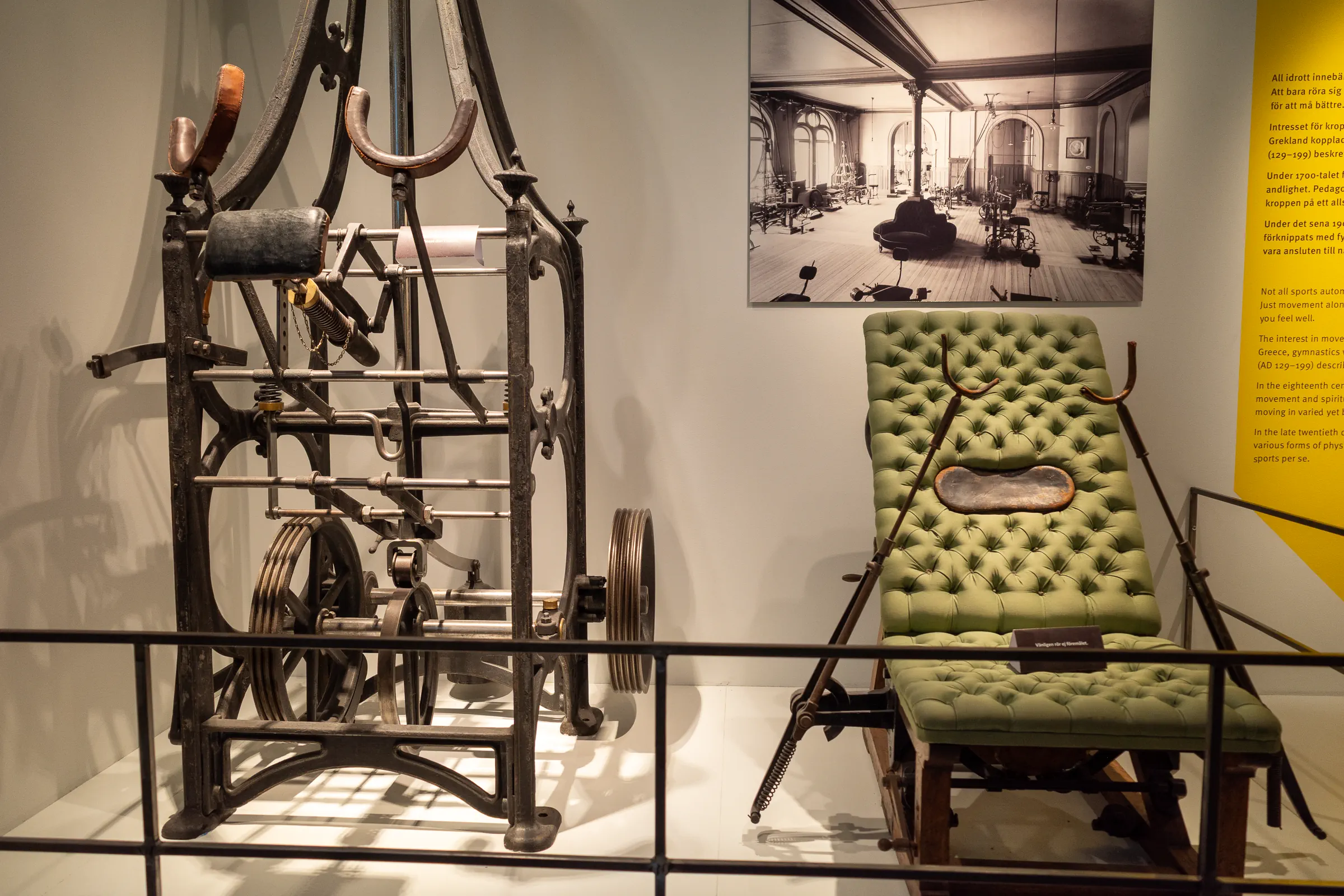
The permanent exhibition traces Swedish sport from a time when the Swedish word for sport, idrott, meant everyday chores, through to the present. That detail about language sets the tone: the exhibition is interested in context, not just trophies.
One exhibit needs no reading at all. Mike Powell’s long jump world record from 1991, 8.95 m (29 feet), is marked out on the floor. Stand at the takeoff and look to where the jump lands, and the distance makes more sense than any photo or statistic on a wall.
A section on cheating and doping names athletes who were caught and the consequences they faced. It handles the subject without moralizing, which makes it more interesting than it might sound.
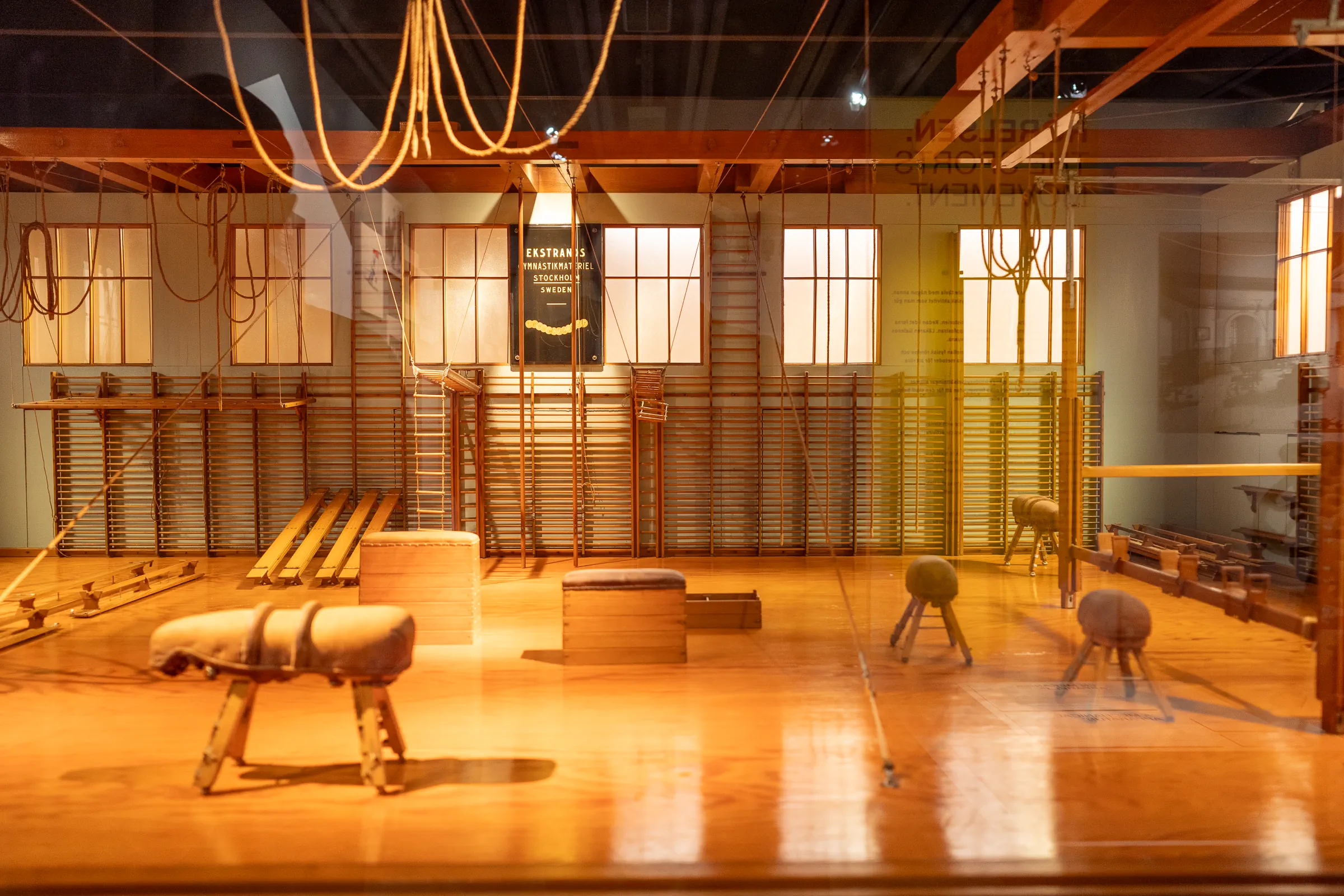
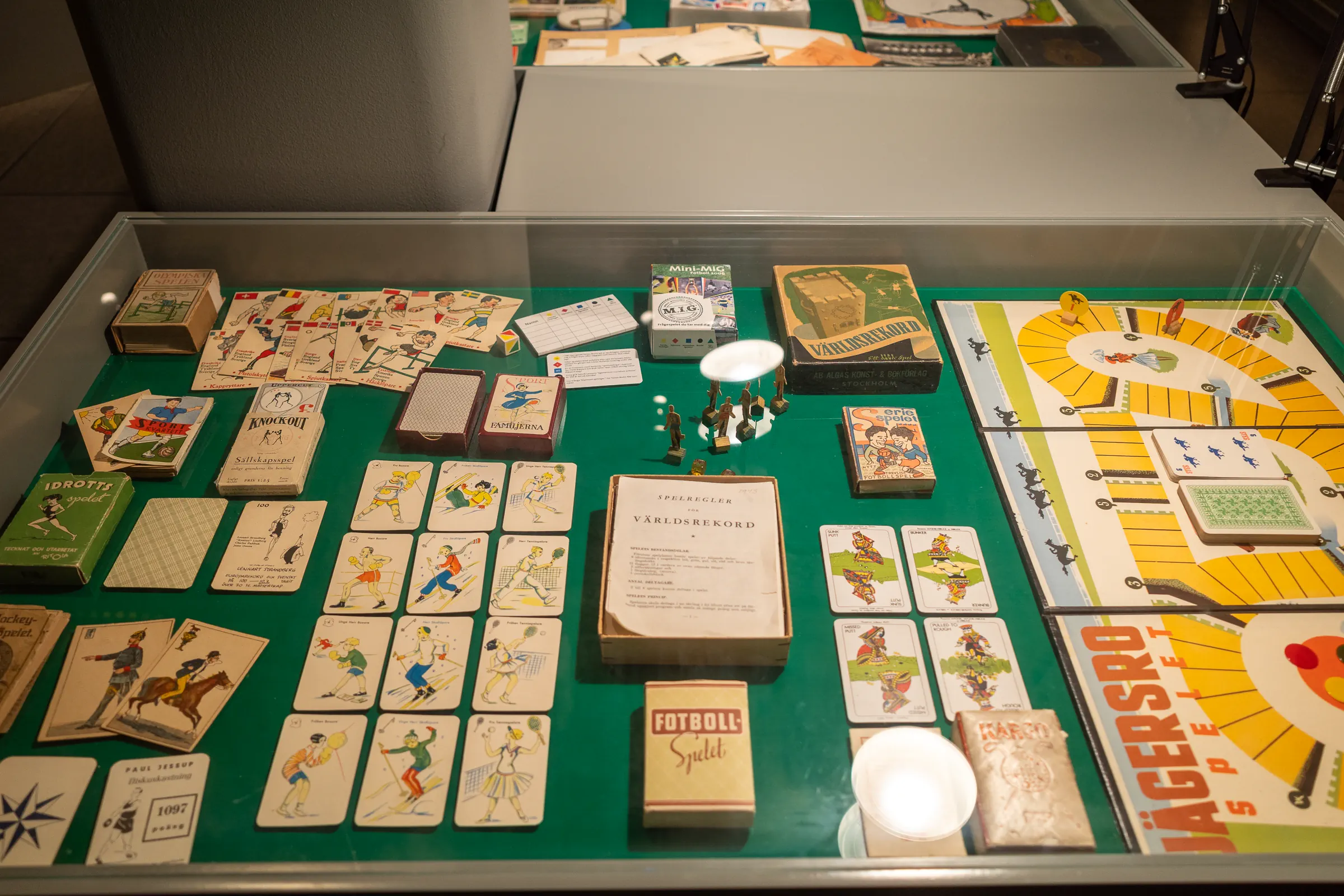
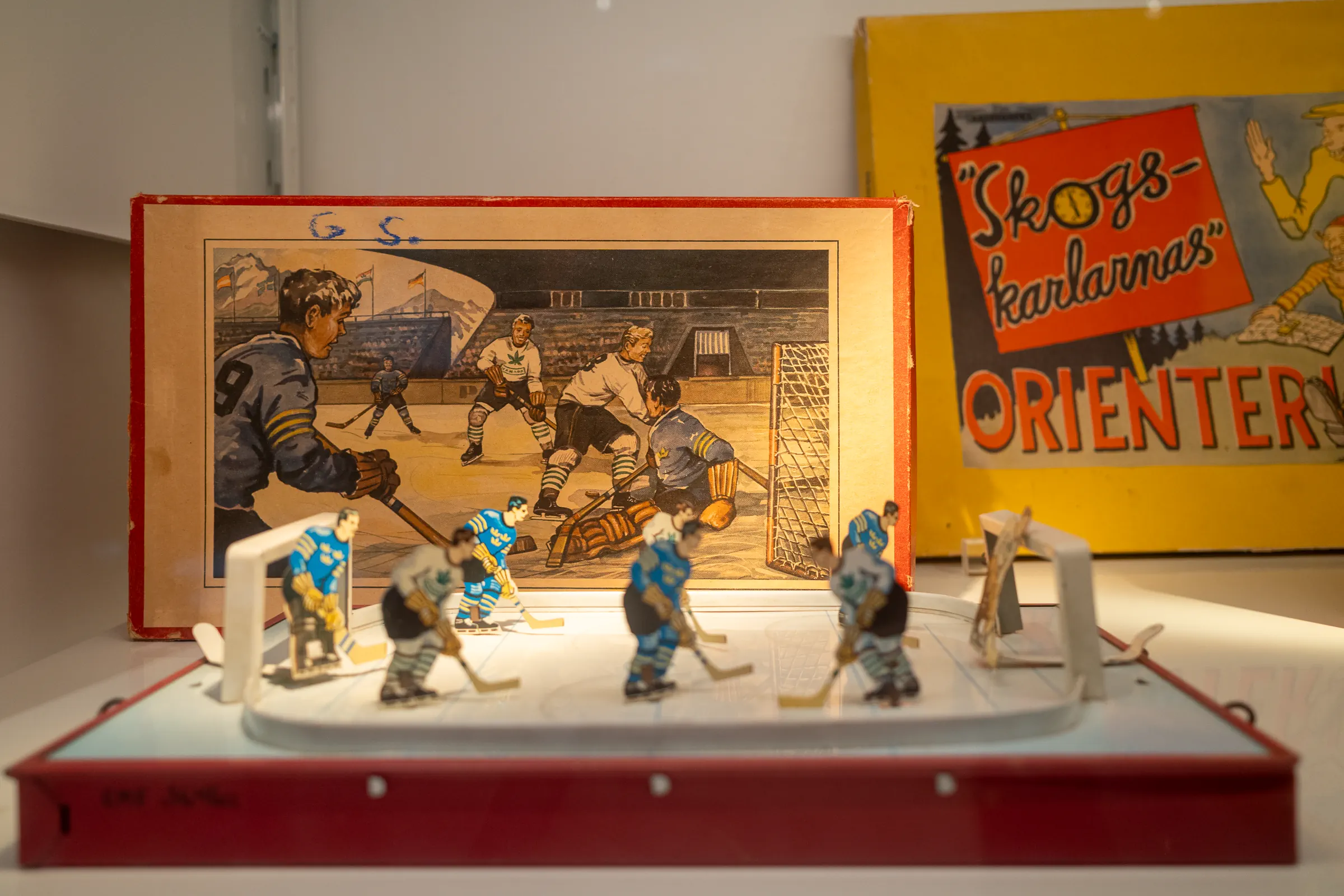
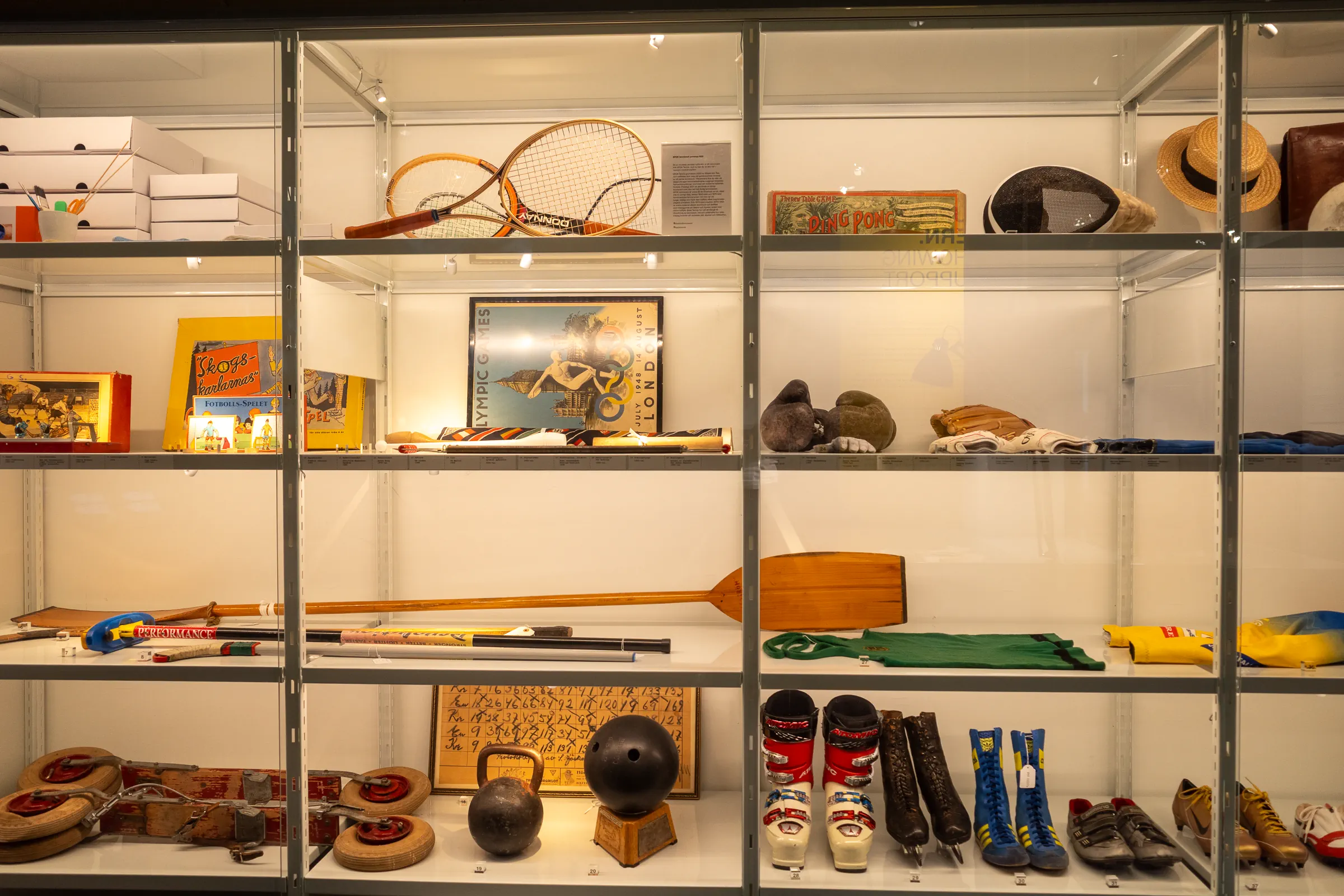
Since August 2026, a new permanent exhibition, The Sunshine Olympics, tells the story of the 1912 Stockholm Olympics, taking the architecture of Stockholms Stadion as its starting point. It opened after our visit.
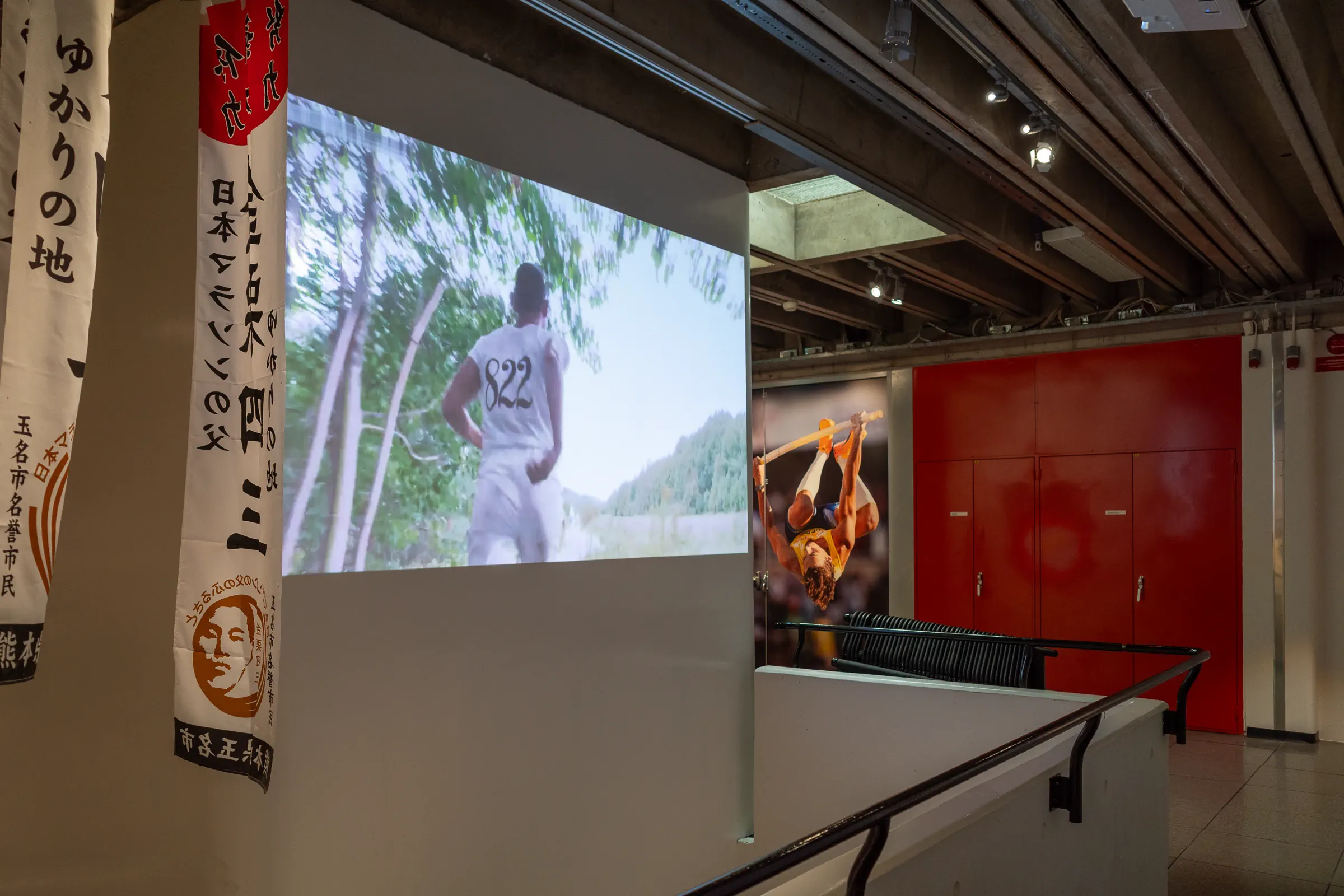
During our visit, a smaller exhibition about Shiso Kanakuri, the Japanese marathon runner whose story is tied to the 1912 Stockholm Olympics, showed film footage of his life. As of November 2026 it is still on, in the stairwell on level 2.
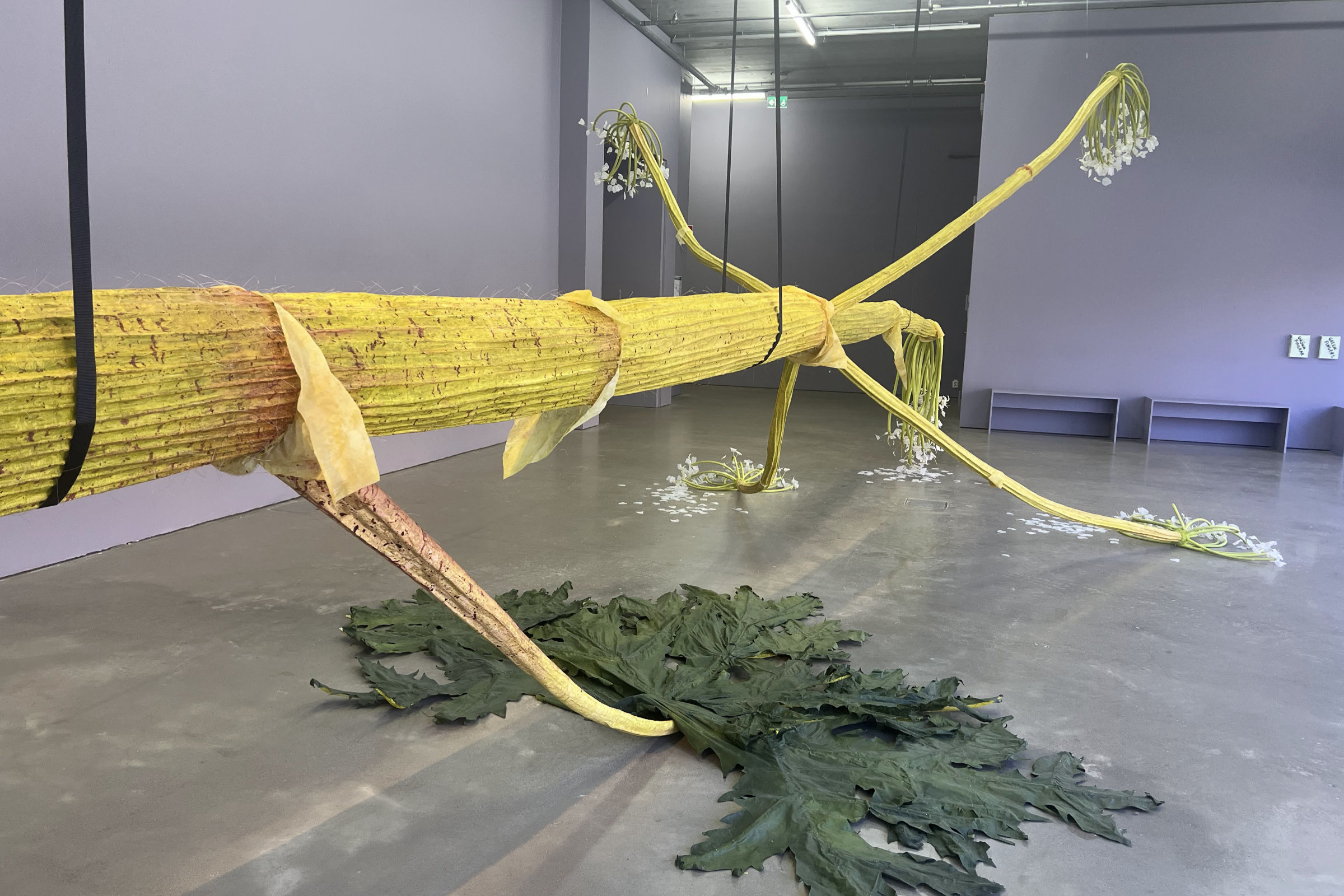
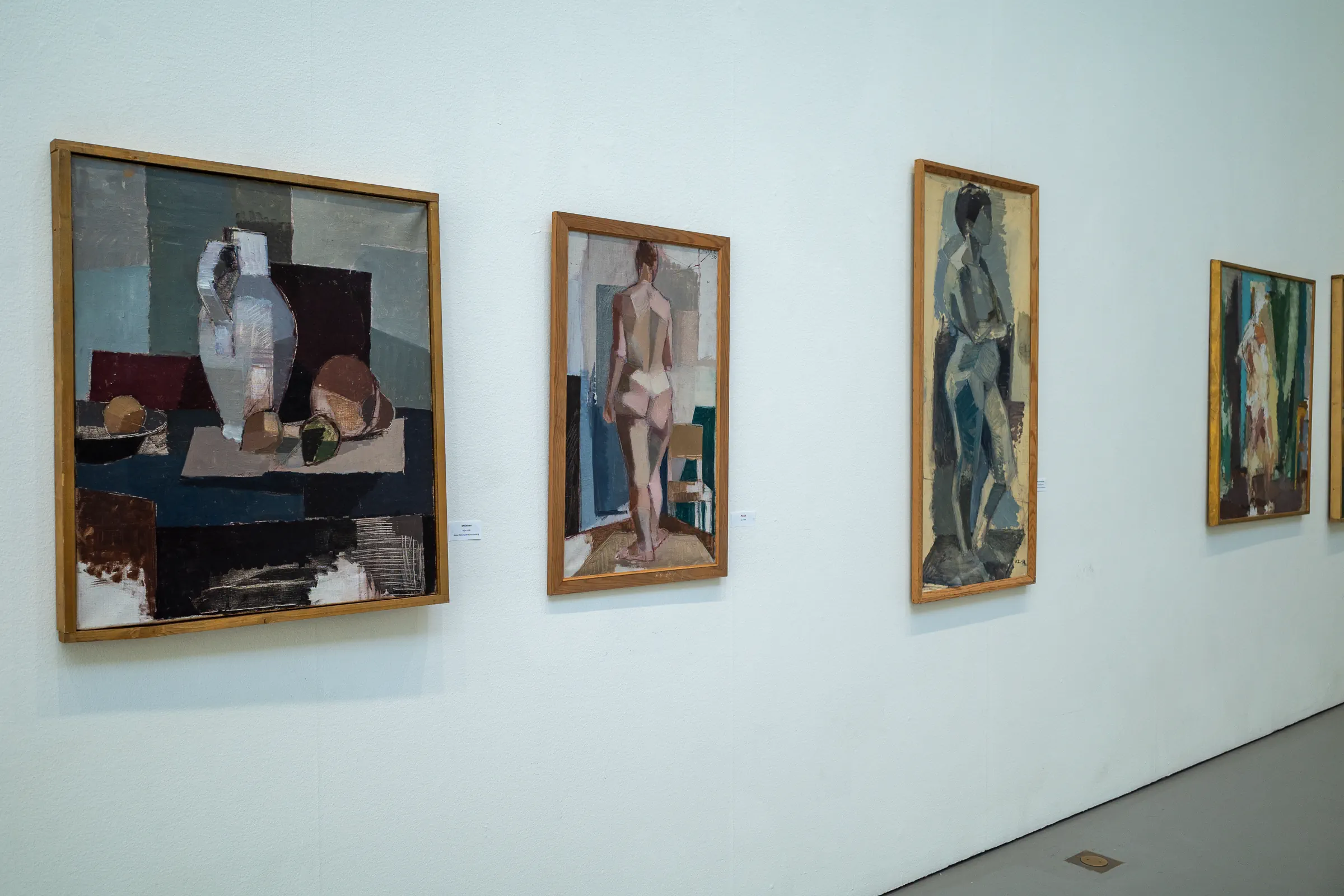
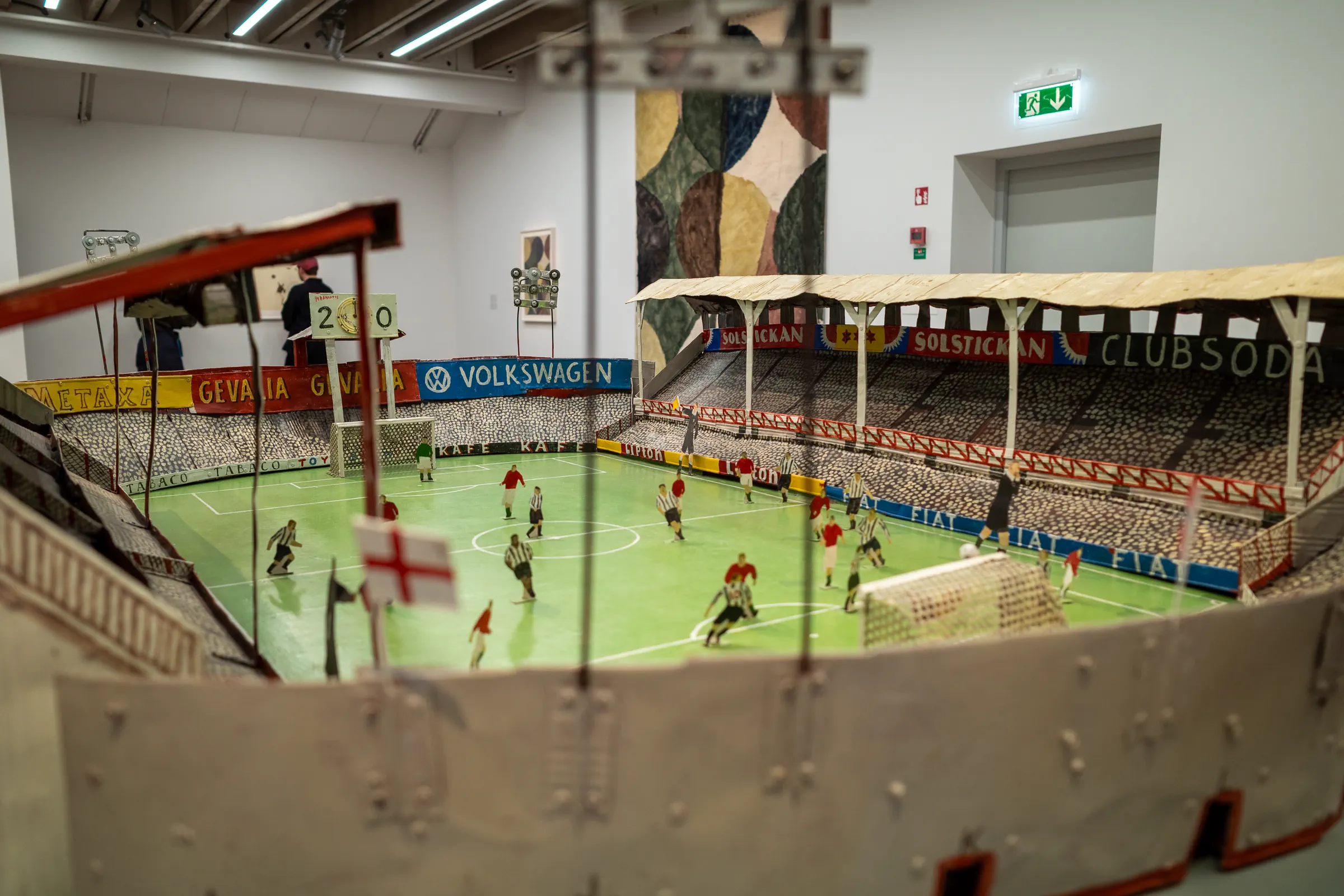
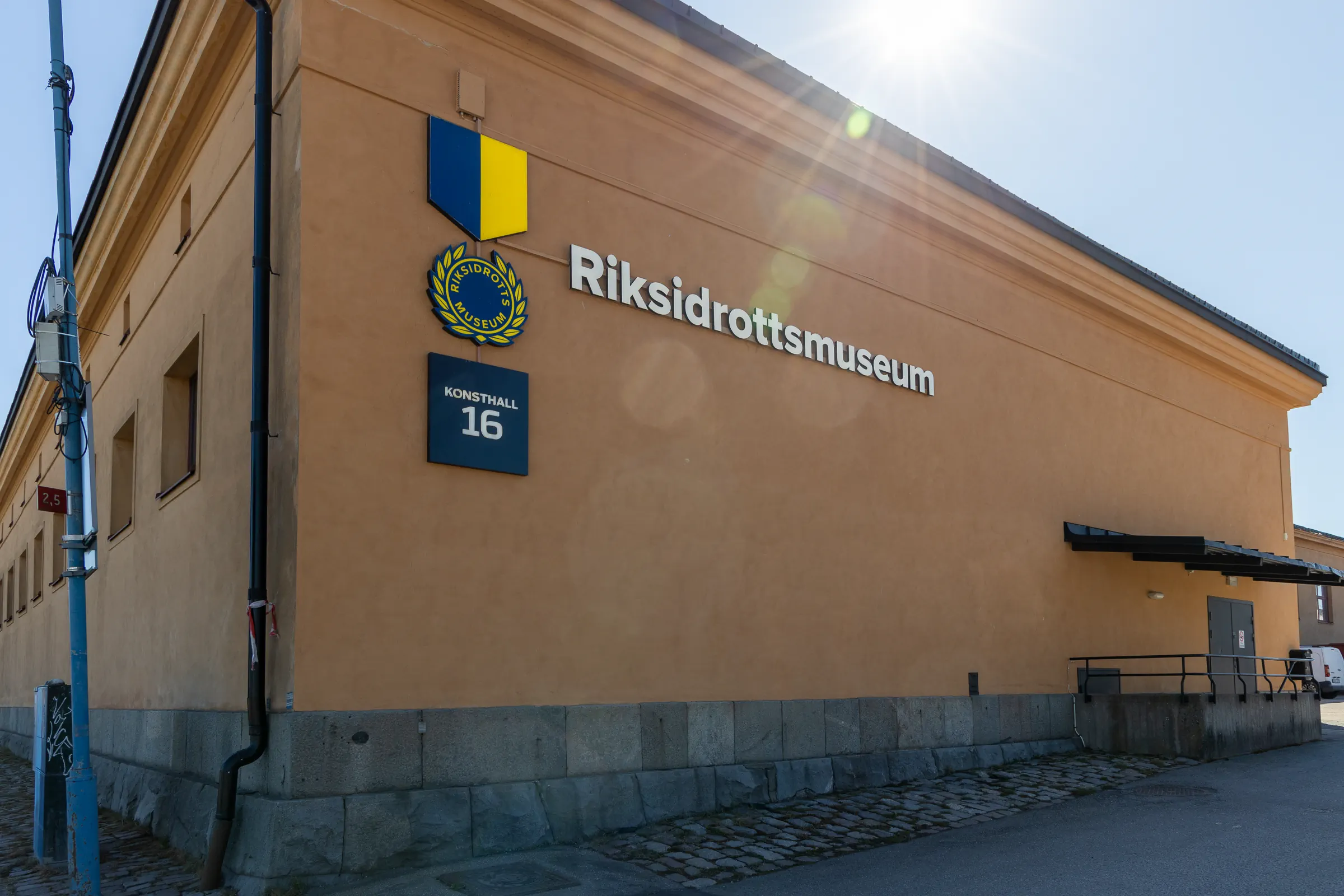
The museum also houses Konsthall 16, Sweden’s first art gallery about the meeting of sport and art. It shows two to three exhibitions a year of contemporary art with a link to sport. When we visited, it showed Jockum Nordström’s paintings and textiles on football; this autumn it shows photographs of horses by Nadja Hallström. See the museum’s website for what is on.
Is it worth it?
For 80 SEK, yes, if you are interested in the history of sport, or if you have already seen Stockholm’s large museums and want something different. Families pay only for the adults, since anyone 19 or under gets in free. About 1 hour is the right amount of time. The staff gave us a short introduction on arrival, which helped us find our way, and signs are in Swedish and English throughout.
If you would rather not pay for a museum, our guide to free museums in Stockholm lists the ones that are free every day.
Practical information
- Address: Djurgårdsbrunnsvägen 26, next to Tekniska museet
- Entry: 80 SEK for adults, 60 SEK for seniors and students, free for anyone 19 or under (2026)
- Opening hours: Tuesday–Sunday 11:00–16:00, closed on Mondays. Some public holidays have different hours, so check the museum’s website before a holiday visit.
- Getting there: From T-Centralen, take bus 69 towards Blockhusudden or Kaknästornet to the Sjöhistoriska museet stop, about 11 minutes. The museum is a 2-minute walk from the stop. The bus was packed when we went on a Saturday morning, so allow extra time on weekends.
- Time needed: About 1 hour
- Café and shop: The café serves hot and cold drinks and ice cream, and the shop sells games, books and gifts.
- Nearby: Tekniska museet, Sjöhistoriska museet, Etnografiska museet and Polismuseet are all within walking distance, so you can combine two museums in one trip.
For more ideas, see our overview of Stockholm’s museums and our pick of lesser-known museums worth visiting.
Frequently asked questions
Only for visitors aged 19 or under. Adults pay 80 SEK, and seniors and students pay 60 SEK (2026).
About 1 hour for the permanent exhibitions. Allow more time if you want to see the current Konsthall 16 exhibition or let children play in Lilla SportLab.
Yes. Entry is free for anyone 19 or under, and children can try a hobbyhorse track, table tennis and ball-throwing games, or play in Lilla SportLab.
From T-Centralen, take bus 69 towards Blockhusudden or Kaknästornet to the Sjöhistoriska museet stop, about 11 minutes. The museum is a 2-minute walk from the stop, next to Tekniska museet.
No. It is open Tuesday–Sunday 11:00–16:00 and closed on Mondays and some public holidays.