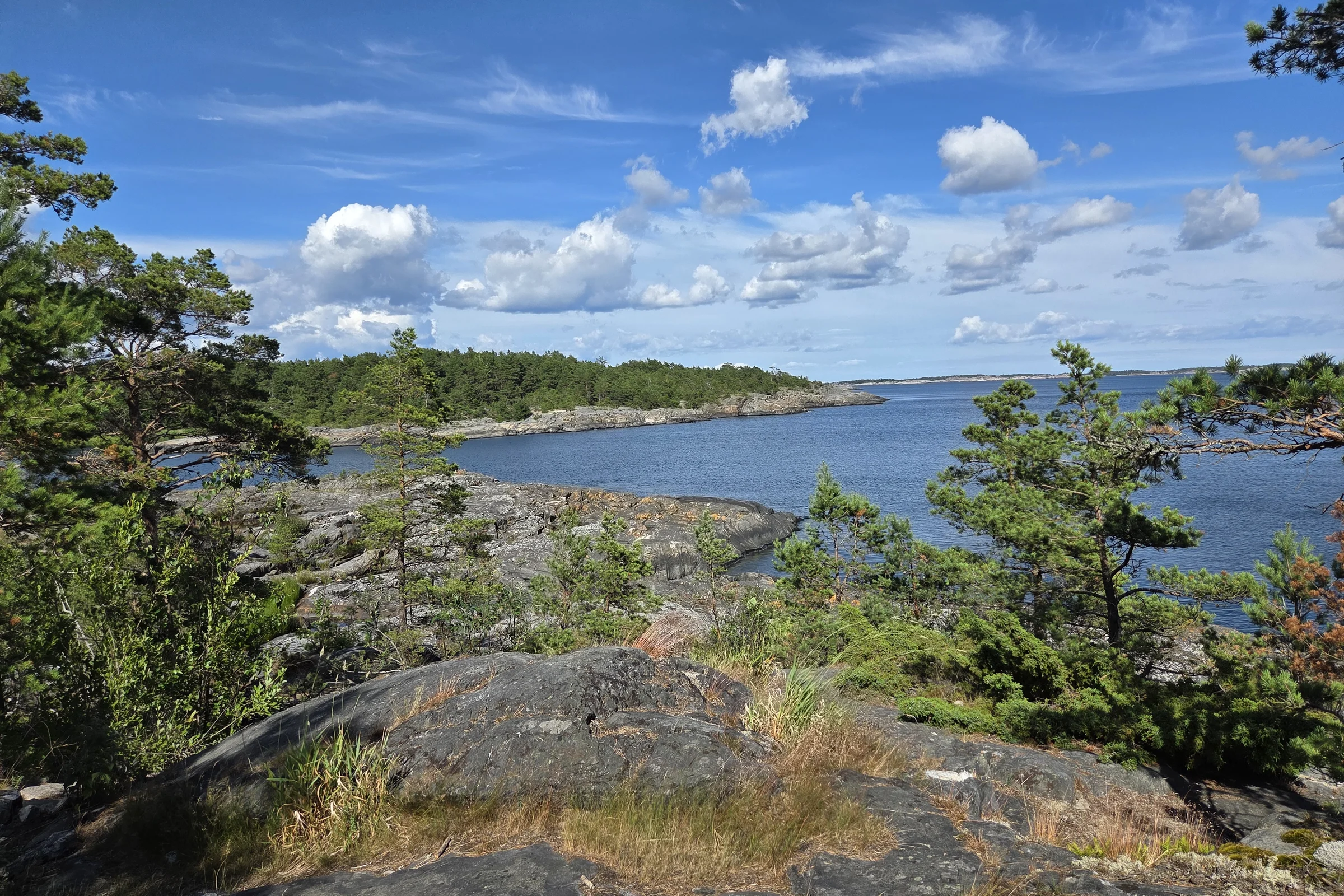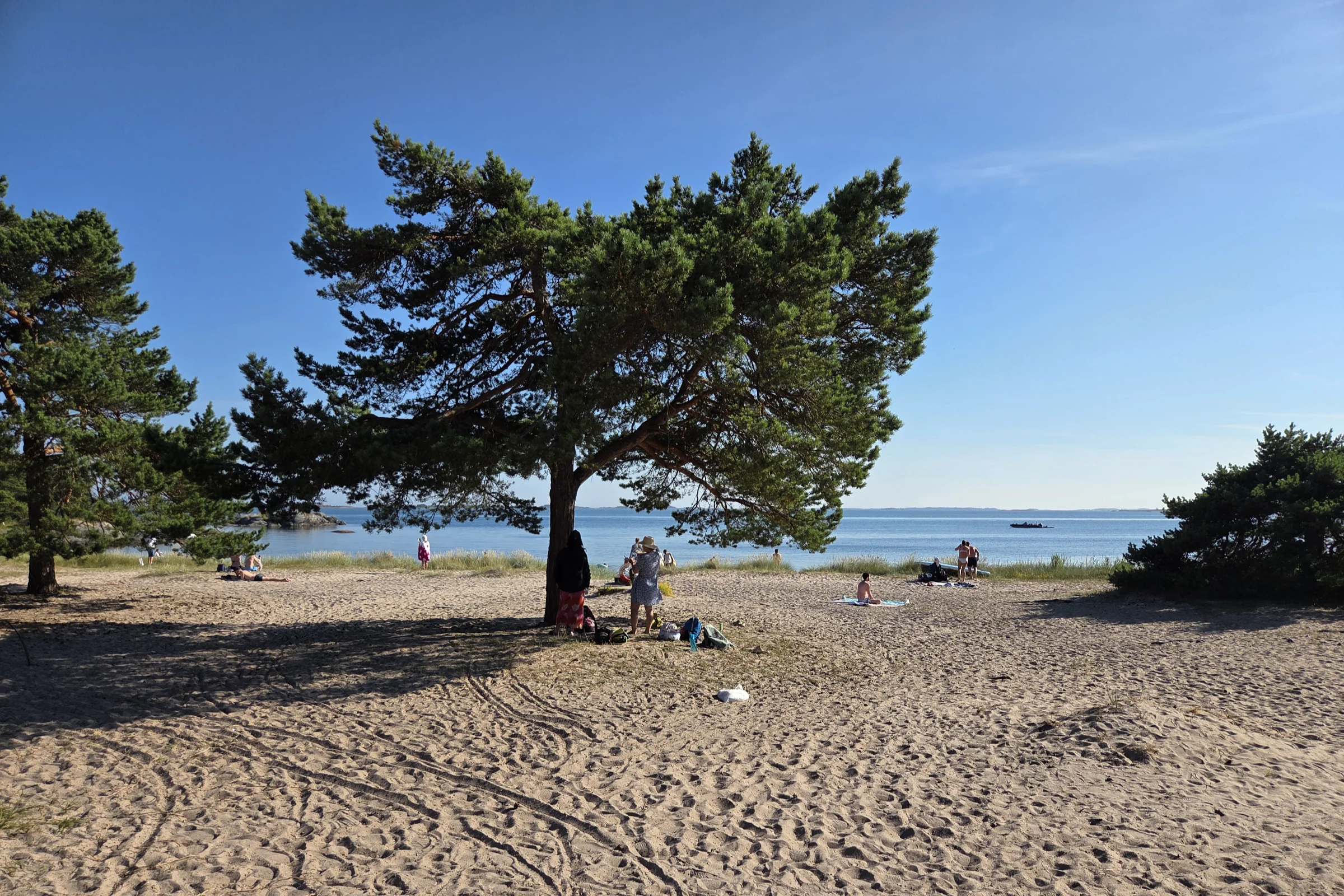
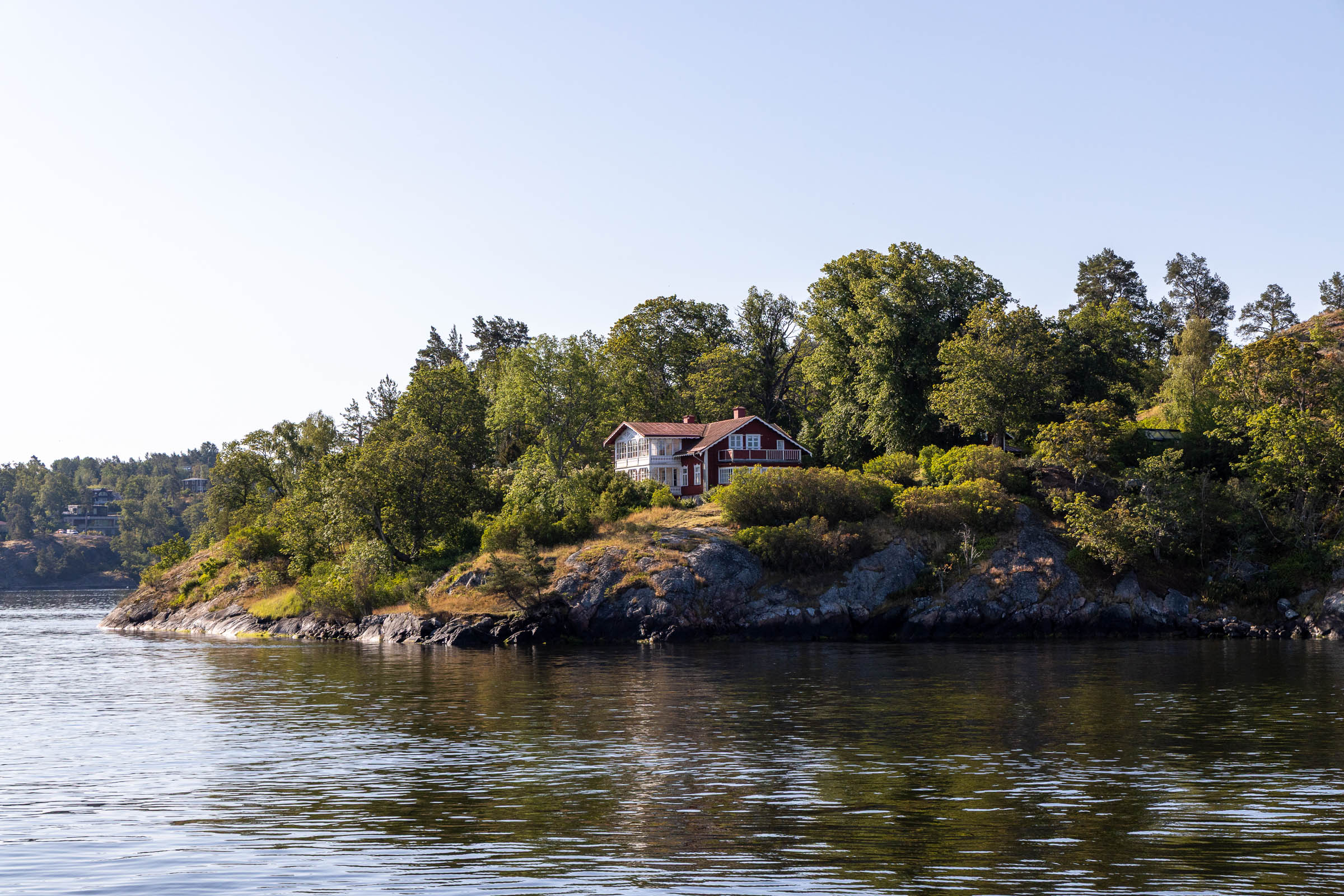
Stockholm sits at the edge of one of the world’s largest archipelagos, over 30,000 islands, islets and rocks stretching east into the Baltic. Most visitors see it from the city side: the water glimpsed between buildings, with the archipelago waiting just beyond the quays at Strömkajen and Nybrokajen. It’s worth actually getting on one of those boats.
You don’t need a week to get a feel for the archipelago. A single day is enough to clear your head, watch pine-covered islands drift past, and understand why Stockholmers spend their summers out here. The question is just which direction to go.
To help you plan, we’ve categorized these by commitment, starting with quick half-day hops and ending with remote, full-day adventures that reward the longer ferry ride.
Fjäderholmarna
When you only have half a day.
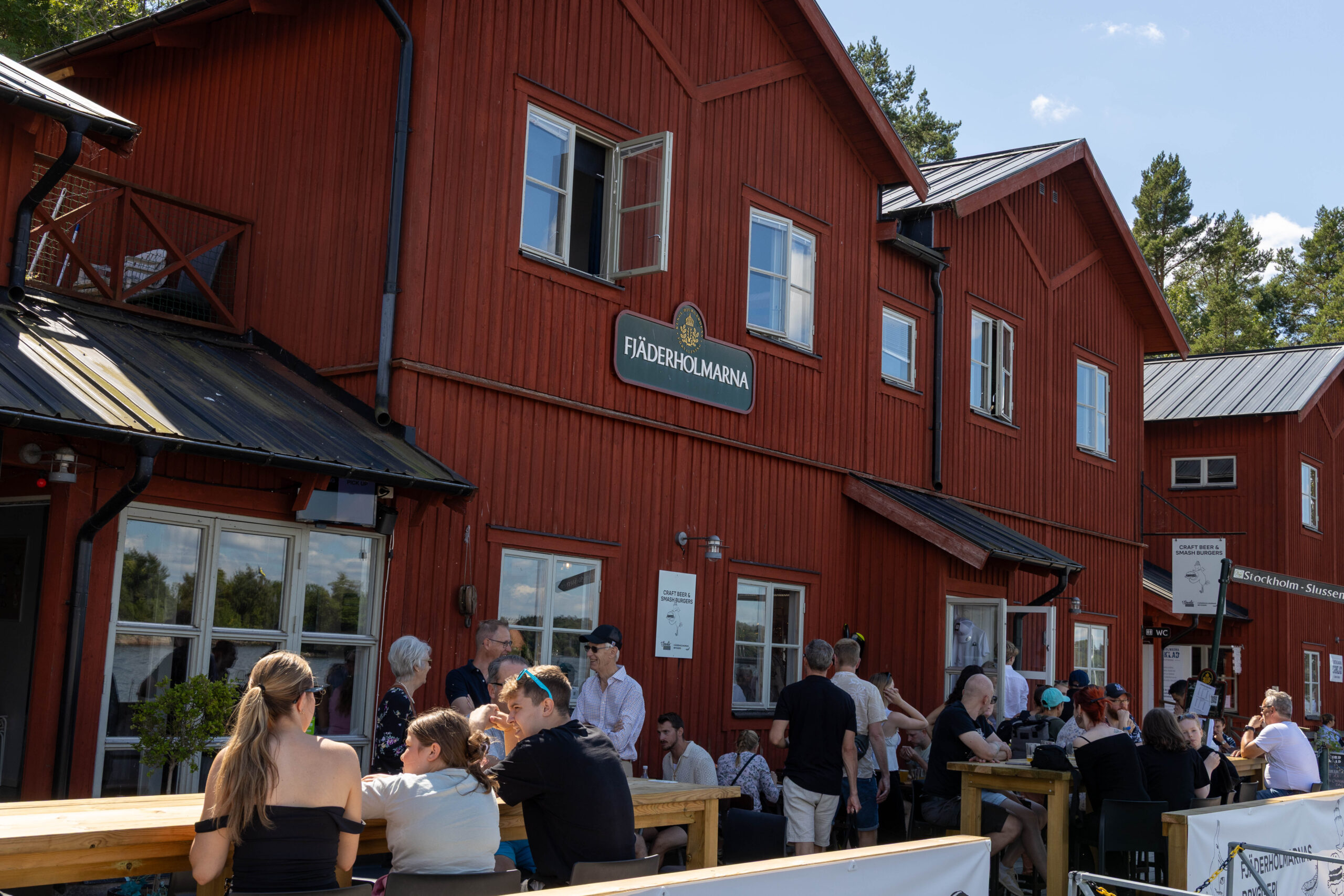
The nearest islands in the archipelago sit just 30 minutes from central Stockholm by ferry, making Fjäderholmarna an effortless introduction to island life. It is the perfect place to swap city streets for rocky shorelines, red wooden cottages, and open water in under an hour. Whether you’re looking to swim, browse artisan workshops, or simply grab an ice cream and a beer by the water, the island offers a classic archipelago atmosphere without the travel time.
The main island is small enough to walk around in under an hour. There are a handful of restaurants and cafés serving seafood and traditional Swedish food, a pebbled beach alongside the more typical rocky bathing spots, and a cluster of small workshops where local craftspeople sell their work. The glassblower workshop is worth a look even if you’re not buying. Watching someone work molten glass is oddly mesmerising.
Getting there: Three ferry lines run here from different parts of the city: Strömma from Nybrokajen in Östermalm, Fjäderholmslinjen from Stadsgårdskajen near Slussen, and Waxholmsbolaget from Strömkajen in front of the Grand Hôtel. Waxholmsbolaget is the budget option and Strömma lets you book ahead online, which is worth doing in high summer when boats fill up.
Best for: A half-day outing, families, visitors short on time who still want to see what the archipelago feels like.
Vaxholm
The gateway to the inner archipelago.
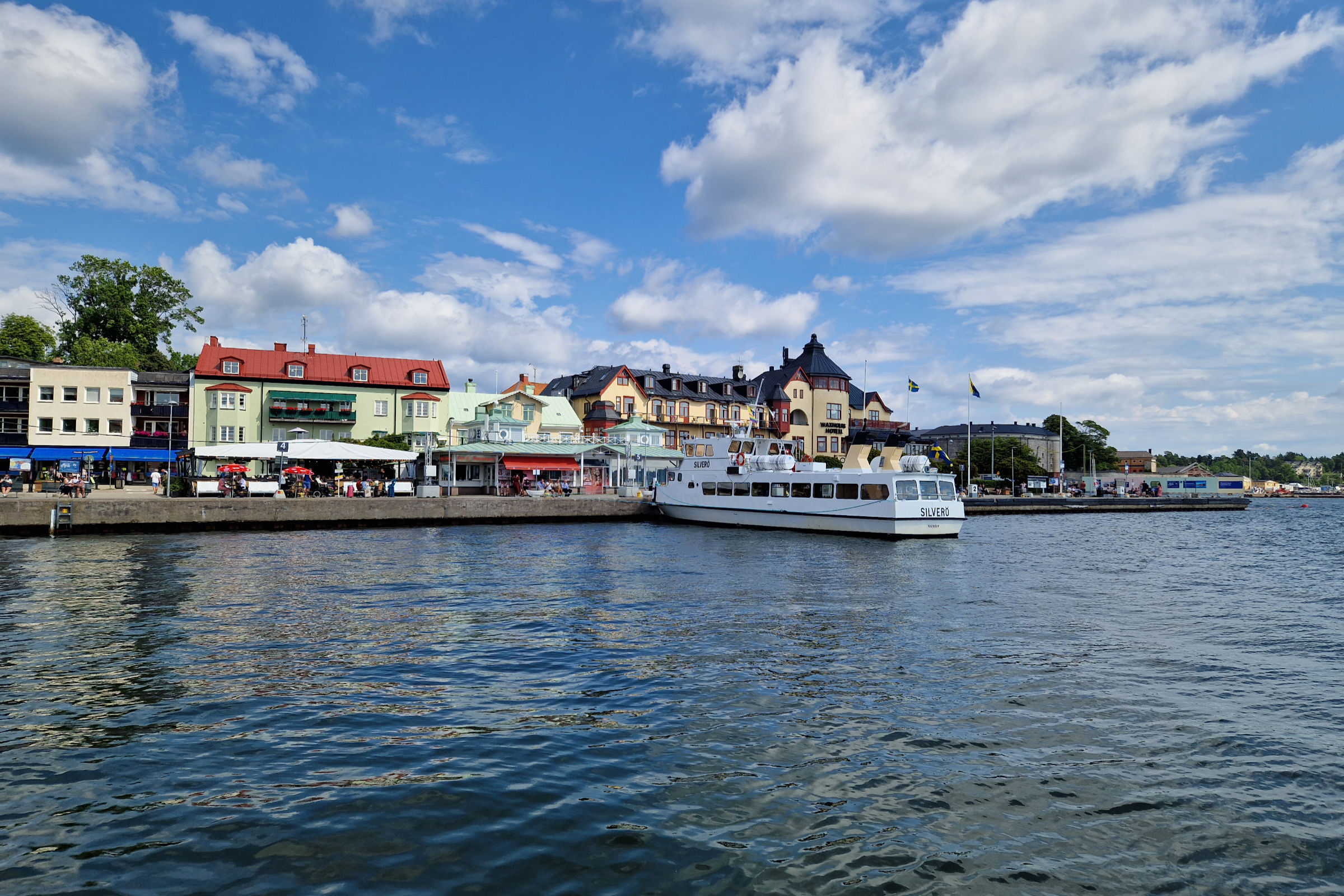
Vaxholm is one of the easiest places to recommend for a first archipelago day trip from Stockholm. It gives you the feeling of leaving the city properly behind, without requiring an early start, a complicated ferry plan, or a full day on a remote island.
The town sits northeast of central Stockholm, where the inner archipelago begins to open up into wider channels and smaller islands. It is often called the gateway to the Stockholm archipelago, and while that phrase is used a lot, it fits here. You get wooden houses, guest harbors, small shops, cafés, boats passing through the sound, and Vaxholm Fortress just across the water.
The main thing to do in Vaxholm is simply to walk around. Follow the waterfront, explore the streets behind the harbor, stop for lunch or coffee, and take the small ferry across to the fortress if you want a clearer sense of the town’s old military role. In summer, you can swim nearby, rent a kayak, or stay longer into the evening. Late spring and early autumn are also good times to visit, especially if you prefer fewer people and do not need beach weather.
Getting there: Getting there is part of the appeal. The most scenic option is to take the ferry from central Stockholm, which makes the journey feel like part of the day trip rather than just a transfer. Waxholmsbolaget runs public transport ferries to Vaxholm, and Strömma also operates boat routes during the season. If you have an SL travelcard the Waxholmsbolaget route is already included, this means that you can travel with Waxholmsbolaget without any additional cost. The faster option is to go by bus, or by car if you have one, which can be useful if you want more time in town or are visiting outside the main summer season.
Best for: Vaxholm is best for first-time visitors who want a classic archipelago experience without committing to a long island journey. It is less wild than the outer islands, but much easier to fit into a Stockholm trip.
Grinda
The day trip that earns its full day.
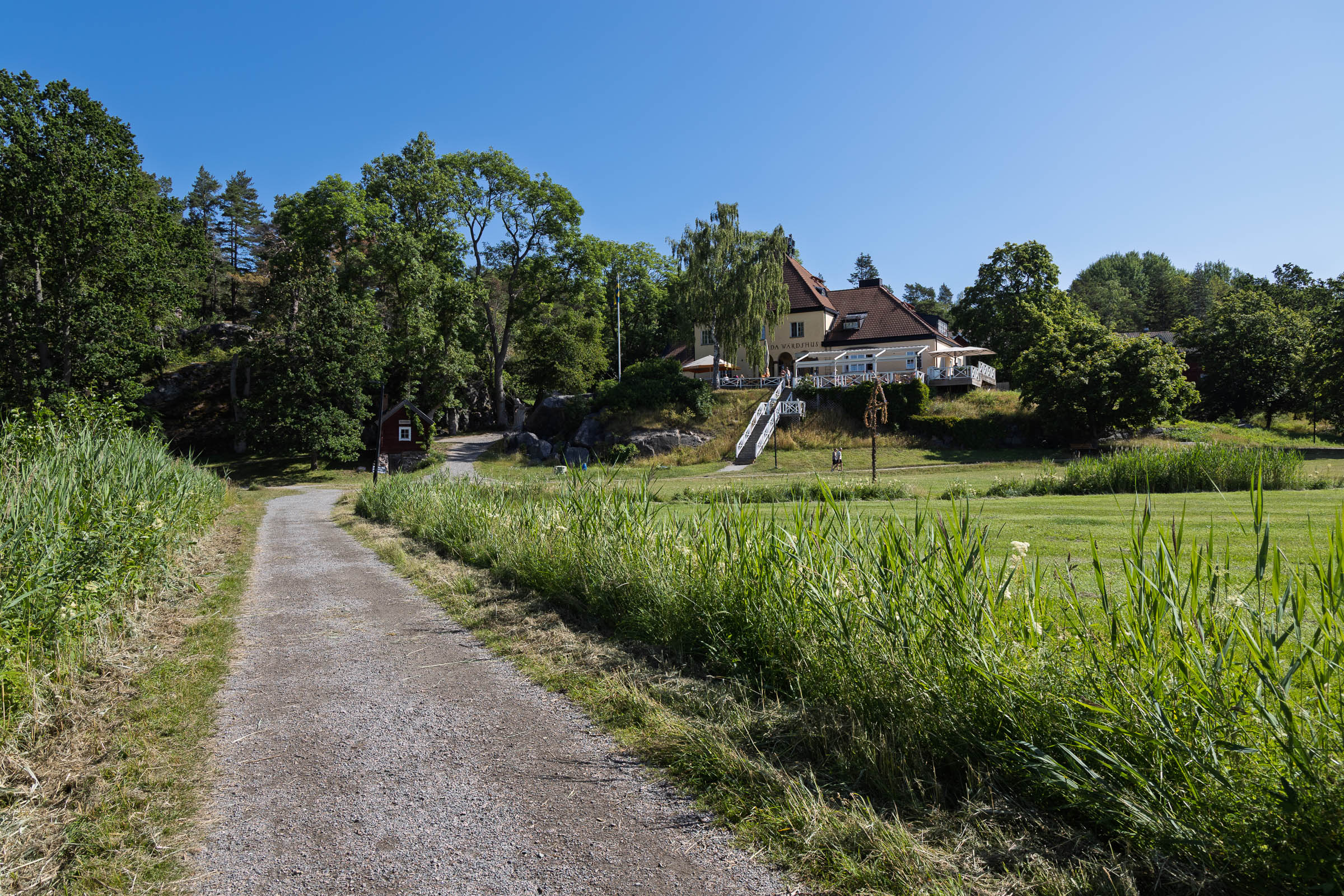
About 90 minutes to two hours out from the city, Grinda is where the archipelago starts to feel genuinely open. The island is car-free, forested, and large enough to have a proper trail loop, 9.8 km of the Stockholm Archipelago Trail runs around the whole island, through dense forest, across rocky outcrops on the northern coast, and past meadows that look like something from a Swedish postcard.
We took the morning Waxholmsbolaget ferry and arrived to find the island quiet and peaceful – a sharp contrast to how it feels on a busy summer afternoon. The trail takes 3–4 hours including stops, and the northern section has some rocky technical passages, though nothing requiring special gear. Sturdy shoes are enough.
After the hike, the two saunas on the island earn their reputation. Källviken Beach Sauna on the west side costs 500 SEK per hour for the whole group. You heat up inside, then walk out to the jetty and drop into the Baltic. The water here is brackish – less salty than the open sea – and the contrast with the sauna is exactly as good as everyone says.
For food, Grinda Wärdshus is the traditional inn at the top of the hill with harbour views and a menu of Swedish classics and local fish. It’s the island’s premium option – book a table in advance during peak season, or expect a wait. If you’d rather keep it casual, the Lanthandel store a few minutes’ walk away sells fresh salads, sandwiches, and ice cream at normal grocery store prices, with outdoor seating by the dock.
Getting there: Waxholmsbolaget departs from Strömkajen, 125 SEK one way. Strömma also runs here from Nybrokajen for 230 SEK one way with pre-booked seating. If you’re travelling during the high season, it’s a good idea to arrive at the dock at least 20–30 minutes before departure. Boats can fill up quickly on sunny days, so giving yourself a little buffer helps ensure you get a spot without feeling rushed..
Best for: Active day-trippers, hikers, anyone who wants the full combination of nature, swimming, and traditional Swedish food.
Sandhamn
The outer archipelago classic.
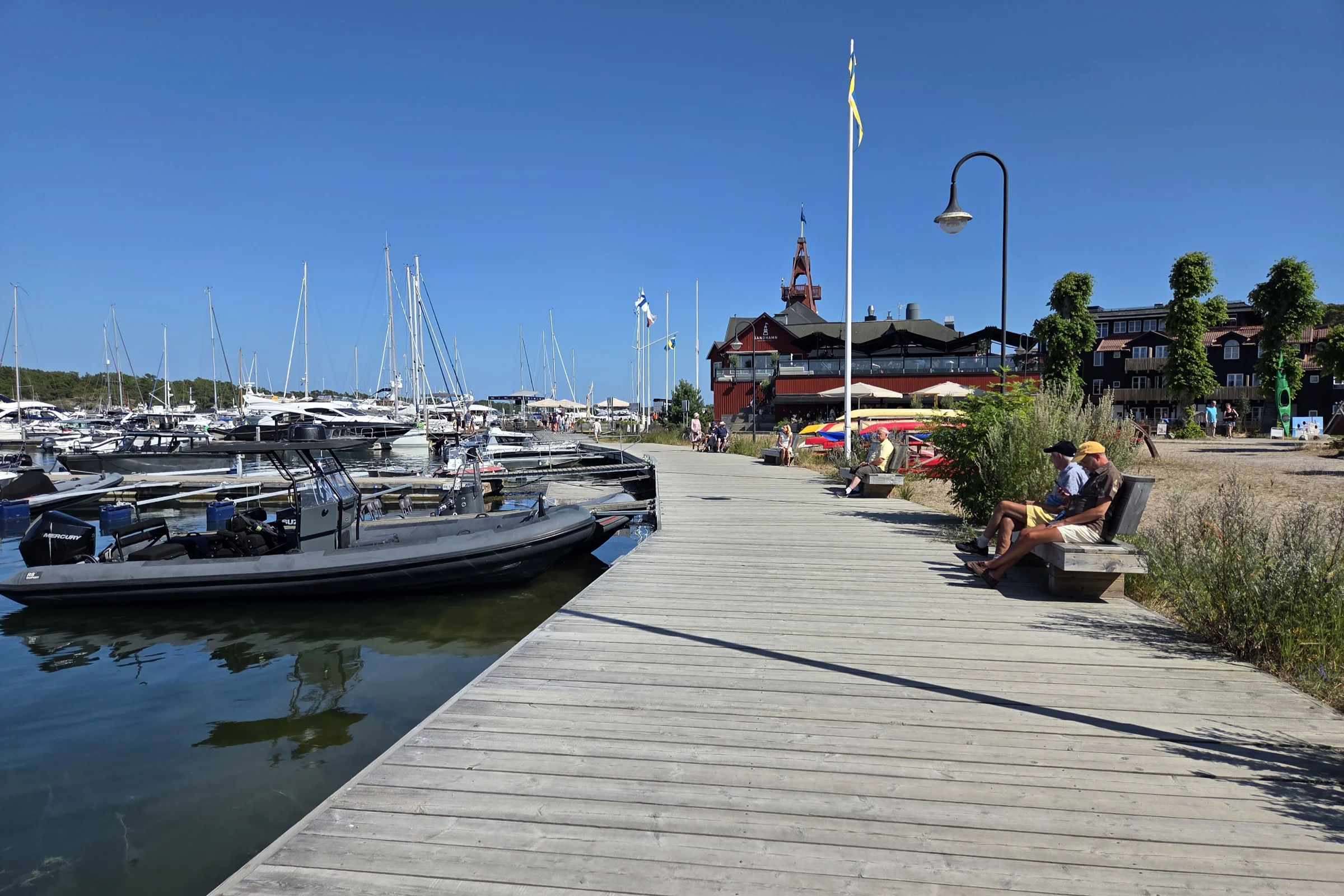
Sandhamn sits well out in the open archipelago, roughly two to three hours from the city by boat. It’s a different world from the inner islands, the water feels more exposed, the horizon opens up, and the island itself has the lived-in confidence of a place that has been a sailing hub for centuries. It’s one of the main stops on the Swedish offshore racing circuit and has the boatyards, guesthouses, and harbour-side restaurants to match.
The village of Sandhamn is compact and worth wandering. It’s charming with its narrow lanes and traditional wooden architecture, and home to a bakery well worth the two-hour trip. The island also has long sandy beaches on its eastern side, which is unusual for the archipelago, where rocky shores are the norm.
Sandhamn isn’t exactly a budget day out. Given its popularity and the two-hour journey, prices here are a reflection of that demand. Still, if you’re chasing a genuine, open-water archipelago atmosphere, it remains the most accessible destination of its kind.
Getting there: Waxholmsbolaget runs here from Strömkajen. Check current timetables as journey times vary depending on stops.
Best for: Anyone who wants to feel properly out in the archipelago, sailing enthusiasts, those who want sandy beaches rather than rocky swimming spots.
Svartsö
The quieter choice, further out.
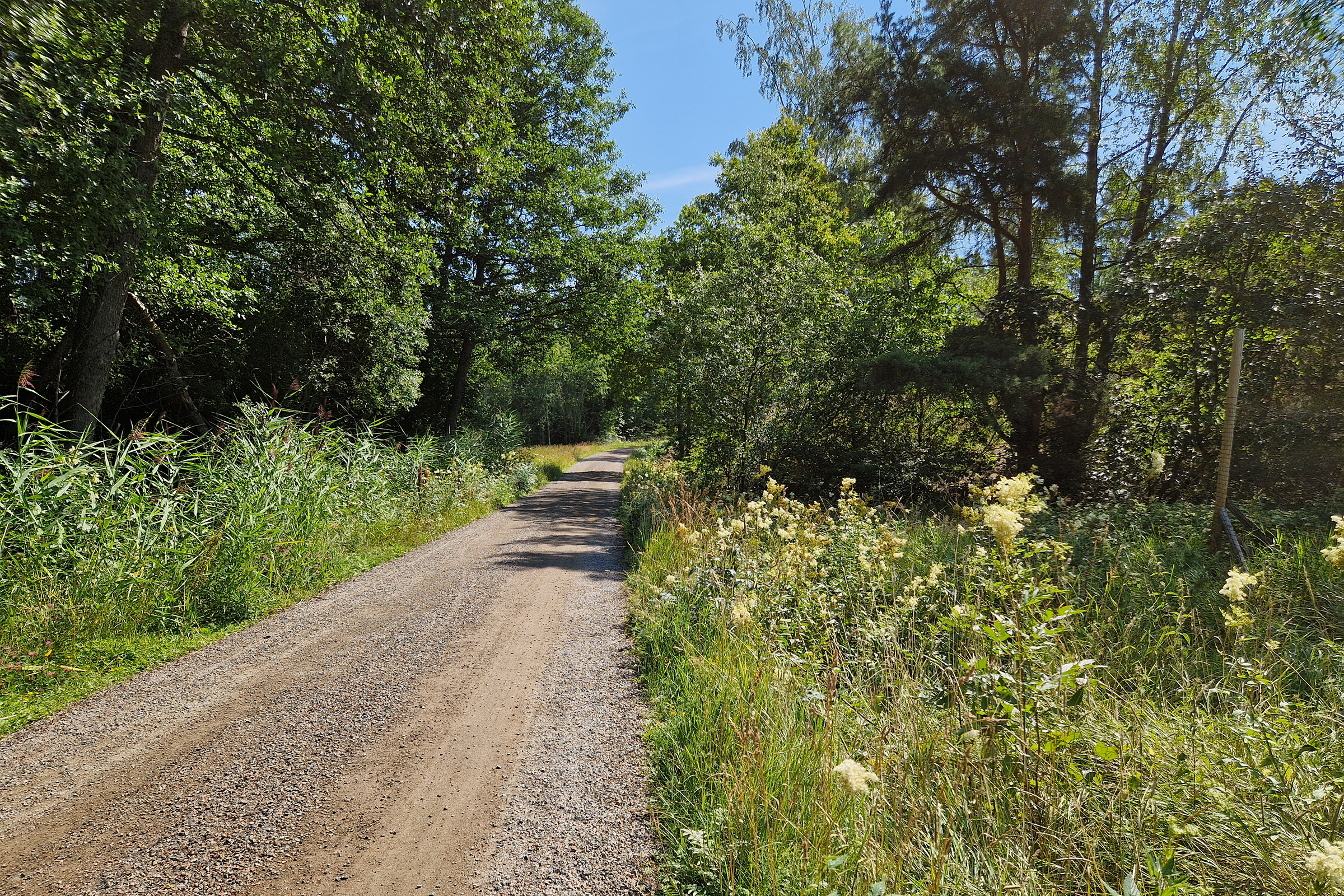
If Sandhamn is the outer archipelago with a crowd, Svartsö is what you find when you look slightly off the beaten track. It’s about 2.5–3 hours from Strömkajen with Waxholmsbolaget (154 SEK one way) and the island has a year-round community of residents, which gives it a different atmosphere from the purely seasonal destinations. Things exist here because people actually live here, not just because tourists pass through.
You can explore Svartsö via three loops of the Stockholm Archipelago Trail, taking you from open gravel roads deep into thick forest. It’s the perfect terrain if you’re looking for that rare sense of stillness that’s hard to find closer to the city. There are two saunas, the northern one near the hotel is newly built with indoor showers and a lounge area, and the southern one near Bistro Sågen is wood-heated and simpler. Both are open to visitors, with online booking.
There are three places to eat on the island. Bistro Sågen is the more casual option. Svartsö Krog is the polar opposite, offering a refined four-course menu with oysters and champagne. It’s worth the journey for the food alone, whether you’re visiting for the day or staying overnight. The island has a hotel, a hostel (private rooms only, no dormitories), and a small number of glamping tents right by the water that book out on 1 February each year and fill quickly.
Svartsö is best experienced as an overnight trip. The ferry time alone accounts for five or six hours of the day, and the island is large enough that you’ll want more time to do it properly. But as a long day trip, if you take the early boat, it’s manageable.
Best for: Travellers who want to genuinely escape, hikers, anyone interested in archipelago life beyond the tourist surface.
Artipelag
Art in the middle of the archipelago.
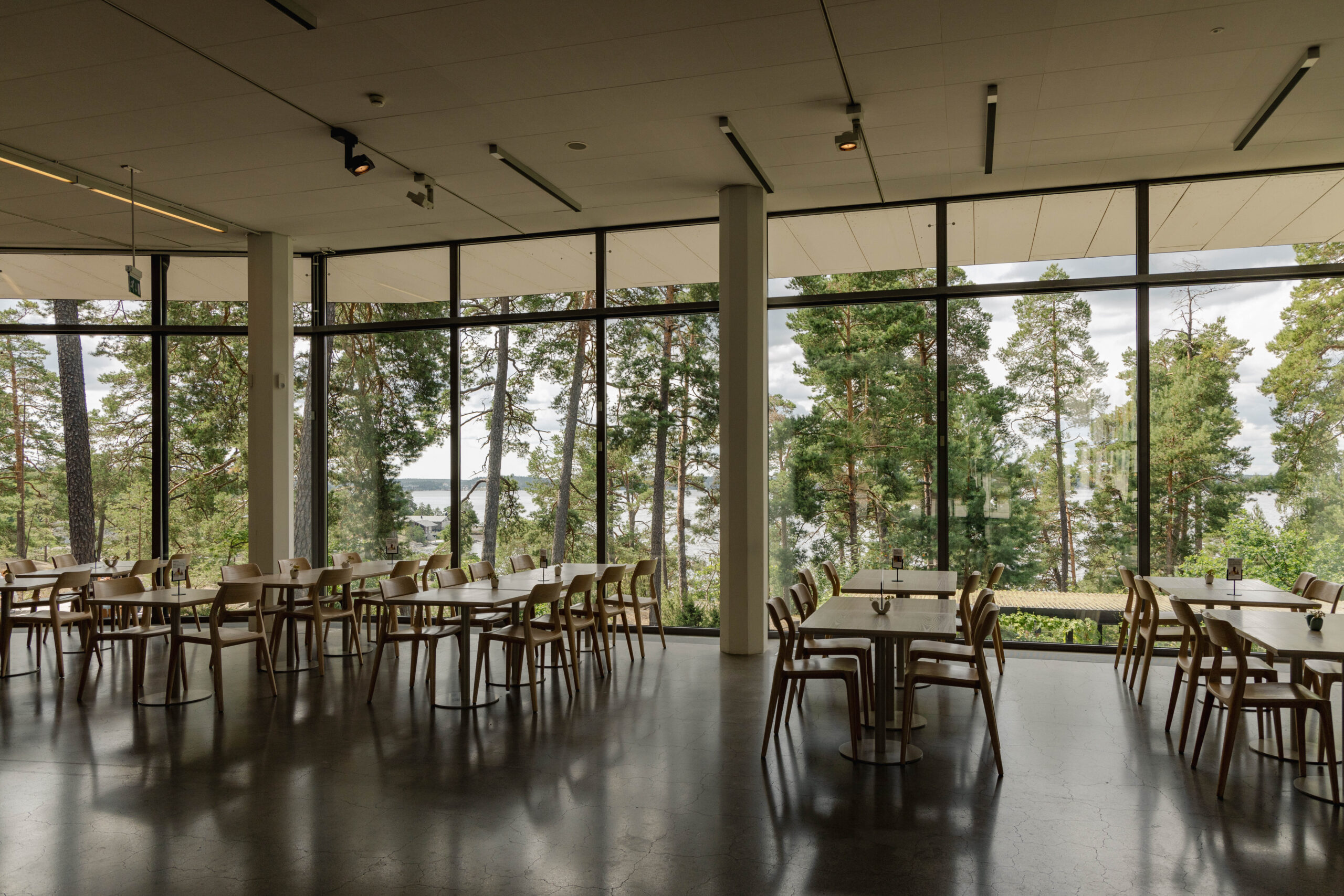
Artipelag doesn’t fit neatly into the usual island day trip format, and that’s exactly what makes it interesting. It’s a full-scale art museum, 10,000 square metres of exhibition space, built into the landscape on the island of Värmdö, about 25 km east of the city.
The approach by boat is a good part of the experience. Strömma runs a guided boat service out here through the archipelago, which frames the arrival well. If you drive or take the bus (about 50 minutes from T-Centralen by metro and bus combined), you approach through forest, and even walking from the car park to the main building along a path through the trees sets a particular tone: quiet, grounded, unhurried. It’s a small thing that works.
Inside, the two main exhibition halls cover contemporary and classical art, and the scale of the space lets exhibitions breathe in a way that smaller city galleries simply can’t compete with. The Artbox hall hosts immersive installations – in 2024 it ran a full sensory experience built around Van Gogh’s work, combining projections across the walls, floor and ceiling with classical music. The coastal promenade outside is free to walk regardless of whether you buy a museum ticket, and there’s a beach nearby if you want to swim.
Tickets run between 195–260 SEK depending on the exhibition. The museum is open Monday to Sunday, 11am–5pm, though check the website before you go as hours and exhibitions change.
Best for: Art-focused visitors, anyone wanting an archipelago outing with a cultural anchor, couples.
Gustavsberg
History and harbour, in the inner archipelago.
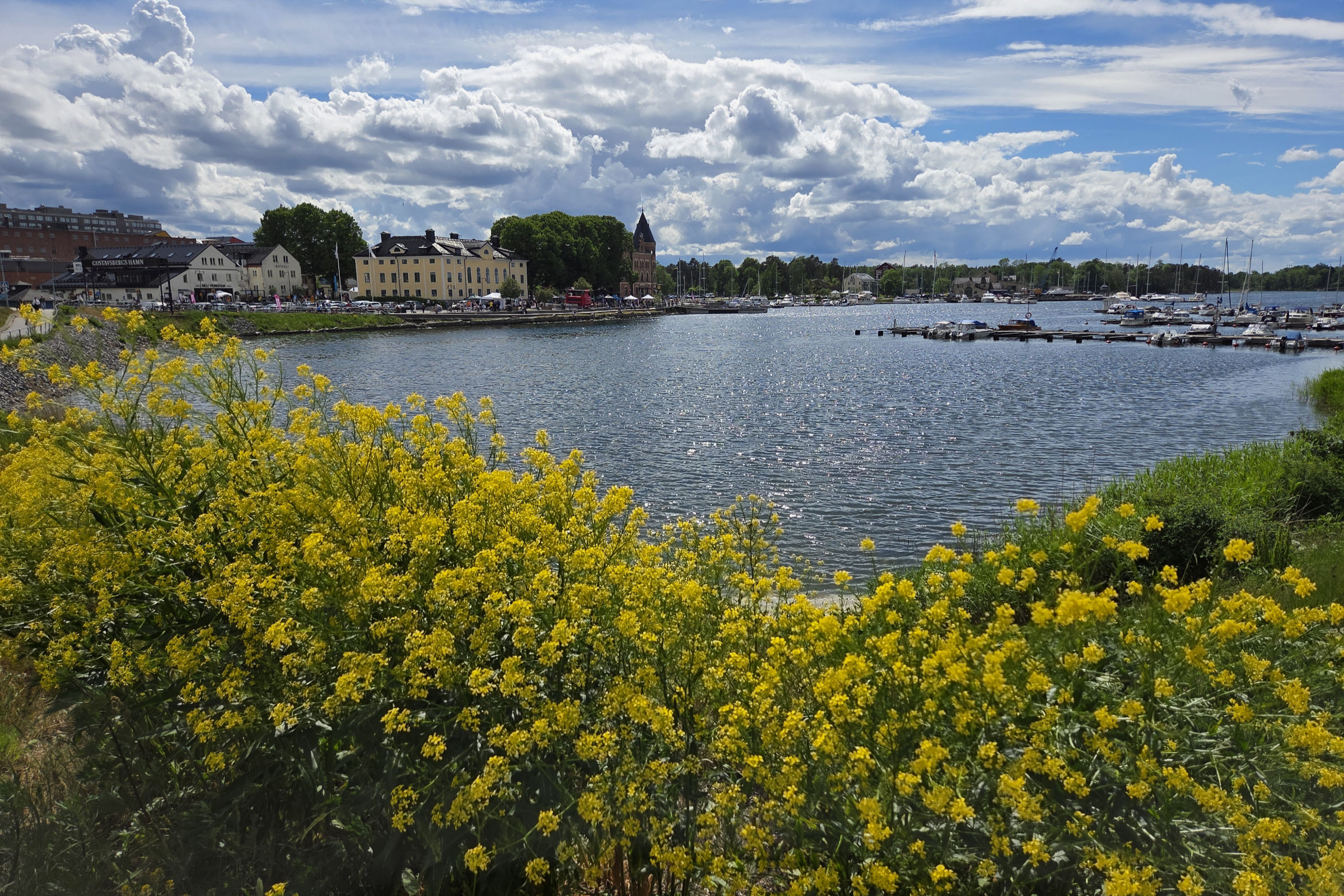
Gustavsberg sits on the mainland shore of Värmdö rather than on an island, but it earns its place on this list. It’s a harbour town with a specific identity. It’s the home of one of Sweden’s most recognisable porcelain brands, whose factory has been running here since 1839.
The Gustavsbergs Porcelain Museum is part of Nationalmuseum and offers guided tours and exhibitions tracing the factory’s history and design legacy. Around the harbour you’ll find restaurants, cafés, and outlet shops selling art glass, porcelain, and kitchenware. It’s a quieter, more local-feeling outing than the island trips. It’s less about nature, more about craft and a working waterfront town.
Getting there: Strömma runs a historic canal boat from Strandvägen which gives you a sightseeing journey on the water, or you can take the bus from Slussen.
Best for: Design-interested visitors, anyone who wants something different from a nature-focused day trip, a shorter and lower-effort outing.
How to choose
The clearest way to think about it: the further out you go, the more the archipelago opens up, the longer the journey, and the quieter it gets. Choose Fjäderholmarna for an easy half-day introduction, or head to Grinda if you’re looking for a full day of swimming, hiking, and true archipelago nature. Sandhamn and Svartsö require a longer commitment but offer the kind of open-water, unhurried atmosphere that’s harder to find closer to the city.
All of these start with getting on a ferry, which is, in itself, already a good reason to go.
Practical note: Most boats depart either from Strömkajen (in front of the Grand Hôtel, nearest metro: Kungsträdgården) or Nybrokajen (nearest metro: Östermalmstorg). Your SL card covers Waxholmsbolaget ferry services only as far as Vaxholm. For destinations further into the archipelago, you’ll need to purchase separate tickets; either onboard or in advance from the ferry operator. Read our ferry archipelago guide for more details on how the ferries operate and how to make the most of your ferry trip.